{/* Google tag (gtag.js) */} SecTemple: hacking, threat hunting, pentesting y Ciberseguridad
Showing posts with label cybersecurity. Show all posts

Dominating Discord's Content Moderation: A Deep Dive into Evolution, Vulnerabilities, and Defensive Strategies


Introduction: The Shifting Landscape of Online Content

In the digital age, online platforms have become the new town squares, vibrant hubs for communication, community building, and content sharing. However, this openness also presents significant challenges. What was once confined to the darkest corners of the internet can, with alarming speed, permeate mainstream platforms. Discord, a platform lauded for its community-centric design, is not immune to these evolving threats. Years ago, encountering the most abhorrent content required deliberate effort, often involving seeking out specific, illicit servers. Today, the landscape has dramatically shifted. The very architecture and growth of platforms like Discord have inadvertently facilitated a more widespread exposure to problematic content, even for users simply navigating common servers. This dossier delves into the observed evolution of this issue on Discord, dissecting how we arrived at this critical juncture and, more importantly, outlining the defensive strategies and technical countermeasures required to protect digital spaces.

Stage 0: The Early Days - Isolated Pockets of Content

In the nascent stages of platforms like Discord, the digital frontier was vast and relatively unpoliced. Exposure to truly disturbing or predatory content was not a casual occurrence. It demanded active searching, a deliberate journey into hidden communities deliberately designed to host such material. These were the "predator Discord servers," isolated digital enclaves where harmful content festered away from the general user base. The barrier to entry was knowledge of these specific servers, often shared through underground channels. For the average user, simply joining a server for gaming, study groups, or shared hobbies meant relative safety from such exposure. The platform's growth was organic, and the mechanisms for content dissemination, while present, were not yet exploited on a mass scale for malicious purposes.

Stage 1: The Seeds of Change - Early Infiltration

As platforms mature and user bases expand, so too do the methods employed by those seeking to disseminate harmful content. Stage 1 marks the initial phase where the lines began to blur. While still not commonplace, the methods of infiltration became more sophisticated. Instead of solely relying on users actively seeking out malicious servers, bad actors began exploring ways to subtly introduce or link to objectionable material within more general communities. This could involve disguised links, cleverly formatted messages, or exploiting vulnerabilities in user-uploaded content. The goal was to leverage the trust and organic growth of legitimate servers to achieve a wider reach for their illicit content. The platform's moderation tools, often designed for earlier, simpler threats, struggled to keep pace with these evolving tactics.

Stage 2: Escalation - Broader Exposure

The evolution continued, with Stage 2 representing a significant escalation in the problem. The techniques developed in Stage 1 became more refined and widespread. Bad actors realized that exploiting the social dynamics and networking capabilities of these platforms could yield greater results. The content itself might have started appearing not just through direct links, but embedded or referenced in ways that were harder to detect with automated systems. Furthermore, the sheer volume of users and servers meant that even a small percentage of malicious activity could translate into a large absolute number of affected individuals. This stage saw a noticeable increase in casual exposure, where users might stumble upon problematic content without actively seeking it, simply by interacting within their established online communities.

Stage 3: Normalization - The Blurring Lines

By Stage 3, the distinction between "normal" and "problematic" servers began to erode for many users. The constant drip-feed of inappropriate content, coupled with increasingly sophisticated methods of obfuscation, started to normalize its presence. What might have been shocking in earlier stages could become background noise. This normalization is a dangerous phase, as it lowers user vigilance and makes them more susceptible. The content might not always be overtly explicit but could include grooming behaviors, radicalizing ideologies, or harmful misinformation, all introduced under the guise of everyday online interaction. The platform's challenge here is immense: how to combat content that is often designed to fly under the radar of existing moderation policies and detection algorithms.

Stage 4: The Invasion - Ubiquitous Exposure

Stage 4 signifies a critical point where the problem can feel pervasive. The sophisticated tactics and the sheer scale of the user base mean that exposure becomes almost unavoidable for the average user, even when engaging in seemingly innocuous activities. It's no longer about actively seeking out bad servers; the problematic content can now "invade" regular servers through various vectors. This could include compromised accounts, automated bots spreading links, or sophisticated social engineering tactics that trick users into engaging with harmful material. The ease with which this content can spread, amplified by the network effects of social platforms, makes this stage particularly challenging for both users and platform administrators.

Stage 5: The Current Reality - A Persistent Challenge

This stage represents the current state of affairs, where the problem, as observed on Discord, has indeed worsened. The evolution from isolated incidents to widespread potential exposure is a testament to the adaptability of malicious actors and the inherent challenges of scaling content moderation for massive, dynamic platforms. Users are now more likely than ever to encounter disturbing content, not because they seek it, but because the platform's structure and the pervasive nature of online interaction have made it a persistent risk. This reality necessitates a shift from reactive measures to proactive, multi-layered defense strategies. The question is no longer *if* one will be exposed, but how effectively they can be shielded and how quickly the platform can respond.

What is Discord Doing? Platform Response and Mitigation

Discord, like many large platforms, is engaged in an ongoing battle against the dissemination of harmful content. Their response typically involves a multi-pronged approach:

  • Automated Detection: Implementing and refining AI and machine learning algorithms to scan for known patterns of malicious content, spam, and violations of their Terms of Service.
  • User Reporting: Relying on user reports as a critical signal for identifying problematic content and behavior that automated systems might miss. This empowers the community to act as a frontline defense.
  • Policy Enforcement: Regularly updating and enforcing their Community Guidelines, which explicitly prohibit predatory behavior, hate speech, and other harmful content. This includes account suspensions and server takedowns.
  • Partnerships: Collaborating with safety organizations and law enforcement agencies to address severe threats and improve understanding of emerging risks.
  • Safety Features: Introducing user-facing safety features, such as content filters, direct message scanning (opt-in), and enhanced privacy controls to give users more agency over their experience.
However, the dynamic nature of online threats means that these measures are in a constant state of evolution, playing catch-up with new exploitation techniques. The effectiveness of these measures can also vary based on the scale of the platform and the resource allocation dedicated to safety.

The Defensive Blueprint: Securing Your Community

For community administrators and users alike, building a robust defense against problematic content is paramount. This requires a strategic, layered approach:

  1. Establish Clear Community Guidelines: Define explicit rules against harassment, hate speech, NSFW content (if applicable), and any form of predatory behavior. Make these easily accessible and regularly enforced.
  2. Leverage Bot Moderation: Implement moderation bots (e.g., Dyno, MEE6) to automatically filter spam, offensive language, and links to known malicious sites. Configure these bots with strict settings.
  3. Utilize Server Whitelisting/Blacklisting: For sensitive servers, consider implementing mechanisms that limit who can invite new members or restrict the types of links that can be shared.
  4. Educate Your Community: Foster a culture where users feel empowered to report suspicious activity. Educate them on common tactics used by bad actors (e.g., phishing links, grooming techniques).
  5. Regular Audits: Periodically review server logs, moderation actions, and user reports to identify emerging threats or weaknesses in your defenses.
  6. Administrator Vigilance: Server administrators and moderators must remain vigilant, actively monitoring channels and responding swiftly to reported issues.
  7. User-Level Controls: Encourage users to utilize Discord's built-in privacy and safety settings, such as blocking users and enabling direct message content filters.

Advertencia Ética: La siguiente técnica debe ser utilizada únicamente en entornos controlados y con autorización explícita. Su uso malintencionado es ilegal y puede tener consecuencias legales graves.

Analyzing potential attack vectors often involves understanding how malicious links or data are shared. Tools that can help analyze URL reputation and identify phishing attempts are crucial for proactive defense. For instance, integrating APIs from services like VirusTotal or URLScan.io into custom moderation tools can flag suspicious links before they are widely distributed within a server.

The Engineer's Arsenal: Tools for Digital Defense

A seasoned engineer understands that effective defense relies on the right tools. Here's a curated list for digital security and community management:

  • Discord Moderation Bots:
    • Dyno: Feature-rich bot for moderation, logging, and custom commands.
    • MEE6: Popular for leveling systems, custom commands, and robust moderation features.
    • AutoMod (Discord's Native): Increasingly powerful built-in moderation tools.
  • Link Analysis Tools:
    • URLScan.io: Scans websites and provides detailed reports on their behavior.
    • VirusTotal: Aggregates results from numerous antivirus scanners and website scanners to detect malware and malicious URLs.
  • Community Management Platforms:
    • Discourse: Powerful open-source forum software that can be integrated for more structured community discussions.
  • Security Information and Event Management (SIEM) Tools (for large-scale operations):
    • While complex, understanding SIEM principles helps grasp how large platforms monitor and respond to threats.
  • Programming Languages for Custom Solutions:
    • Python: Ideal for scripting moderation tasks, interacting with Discord APIs (via libraries like discord.py), and automating security checks.

Comparative Analysis: Platform Moderation vs. Community Autonomy

The challenge of managing online content inevitably leads to a discussion about the balance between centralized platform moderation and the autonomy of individual communities.

  • Platform Moderation (e.g., Discord's efforts):
    • Pros: Scalability, consistent enforcement of baseline rules, ability to leverage significant resources (AI, human teams).
    • Cons: Can be slow to react, may overreach or underreach due to automated systems, content policies can be opaque or perceived as biased, struggles with nuance in diverse communities.
  • Community Autonomy (e.g., Server Admin/Moderator control):
    • Pros: Deep understanding of community norms, faster reaction times to specific community issues, ability to set tailored rules, fosters community ownership.
    • Cons: Prone to inconsistency, limited resources compared to platforms, potential for admin abuse or negligence, difficulty combating platform-wide threats alone.
The most effective strategy typically involves a hybrid model: platforms provide a foundational layer of safety and tools, while empowered communities implement their own tailored moderation practices. For instance, Discord's native AutoMod can catch basic violations, while a dedicated moderation bot and vigilant human mods handle community-specific nuances and emergent threats. Relying solely on platform moderation is insufficient due to the sheer scale and complexity, while complete autonomy leaves communities vulnerable to widespread issues that originate beyond their immediate control.

Engineer's Verdict: The Ongoing Battle for Digital Sanity

The evolution of problematic content dissemination on platforms like Discord is a clear indicator that the digital arms race between those who seek to exploit and those who seek to protect is far from over. What began as a niche problem requiring deliberate effort has, through technological advancement and user growth, become a more pervasive concern. The ease with which vulnerabilities can be exploited and content can be spread necessitates a fundamental shift in how we approach online safety. It's not just about reacting to violations; it's about building resilient systems, educating users, and fostering a proactive security mindset within every digital community. The platform provides the battlefield, but the true defense lies in the hands of informed administrators and vigilant users. The challenge is immense, but so is the imperative to maintain safe and productive online spaces.

Frequently Asked Questions

Q1: Is Discord inherently unsafe?
Discord itself provides tools and policies aimed at safety. However, like any large, open platform, it can be exploited. The safety of your experience largely depends on the specific communities you join and your own vigilance, alongside the platform's evolving moderation efforts.
Q2: How can I protect myself from harmful content on Discord?
Utilize Discord's privacy settings (blocking users, enabling DM content filters), be cautious about joining unfamiliar servers, critically evaluate shared links, and report any suspicious activity to server moderators or Discord directly.
Q3: Can moderation bots prevent all harmful content?
Moderation bots are powerful tools for automating the filtering of common issues like spam and profanity. However, they are not foolproof. Sophisticated or novel forms of harmful content may bypass automated detection, requiring human oversight and community reporting.
Q4: What is the role of user reporting in content moderation?
User reports are crucial. They act as a vital signal, alerting platform administrators and server moderators to content or behavior that automated systems may have missed. Active reporting by users is a cornerstone of effective community self-policing.

About The Cha0smagick

The Cha0smagick is a digital alchemist, a polímata technologist and elite hacker operating from the untamed frontiers of cyberspace. With a pragmatic, noir-influenced approach forged in the crucible of system audits and digital forensics, they transform complex technical challenges into actionable intelligence and robust solutions. Their expertise spans deep-dive programming, reverse engineering, data analysis, and the ever-evolving landscape of cybersecurity vulnerabilities. This dossier is a testament to their commitment to empowering digital operatives with the knowledge needed to navigate and secure the modern online world.

If this blueprint has saved you hours of operational planning, share it across your networks. Knowledge is a tool, and this is a force multiplier. For those grappling with similar content challenges, deploy these strategies. If you encounter a new vector or a novel exploitation technique, report it. Your intel is critical.

Consider exploring the evolving digital economy and asset management. For sound financial diversification and exploration of decentralized assets, opening an account on Binance is a strategic move for any digitally native individual.

Your Mission: Execute, Report, and Advise

Understanding the evolution of content threats is the first step; implementing effective defenses is the mission. Deploy the strategies outlined, monitor their effectiveness, and adapt as the digital landscape shifts.

Mission Debriefing

What advanced techniques or specific server vulnerabilities do you believe are currently underestimated? Share your operational insights in the comments below. Your debriefing fuels the next intelligence operation.

Trade on Binance: Sign up for Binance today!

The Vastaamo Breach: How Flawed OPSEC, Not Monero, Led to the Hacker's Capture


In the annals of digital forensics and cybersecurity, few cases offer as stark a lesson in the critical importance of Operational Security (OPSEC) as the Vastaamo data breach. While the digital underground often touts privacy-centric cryptocurrencies like Monero as impenetrable shields, the reality is that even the most robust privacy tools can be undermined by fundamental human errors. This dossier delves into the Vastaamo incident, dissecting how a series of OPSEC blunders, not inherent flaws in the Monero protocol, led to the identification and eventual apprehension of the individual responsible.

1. Introduction: The Illusion of Anonymity

The digital realm often presents a dichotomy: the allure of absolute anonymity versus the stark reality of digital trails. In the aftermath of high-profile data breaches, the focus often shifts to the tools used, particularly privacy-focused cryptocurrencies like Monero. However, this case serves as a potent reminder that technology is only as strong as the human operator. The Vastaamo incident underscores a critical truth: flawed OPSEC is the most common vulnerability, capable of unraveling even the most sophisticated privacy measures.

2. Case File: The Vastaamo Data Breach

The Vastaamo data breach, which came to light in late 2020, involved the exfiltration of sensitive patient data from a Finnish psychotherapy center. The perpetrator demanded a ransom in Monero (XMR), leveraging the cryptocurrency's privacy features to obscure their identity. This incident exposed the personal information of tens of thousands of individuals, causing significant distress and potential harm. The complexity of tracking the perpetrator was amplified by the use of Monero, a cryptocurrency designed for enhanced anonymity compared to Bitcoin.

3. Monero Protocol: A Deep Dive into Privacy

Monero (XMR) is an open-source cryptocurrency designed with a strong emphasis on privacy. Unlike Bitcoin, which uses a transparent blockchain where all transactions are public and traceable (albeit pseudonymous), Monero employs several sophisticated cryptographic techniques to obscure transaction details:

  • Ring Signatures: These allow a user to sign a transaction on behalf of a group of users, making it impossible to determine which specific user initiated the transaction.
  • Stealth Addresses: These generate unique, one-time addresses for each transaction, preventing the linking of a transaction to a recipient's public address.
  • RingCT (Ring Confidential Transactions): This technology hides the amount of Monero being transferred in a transaction.

These features collectively aim to provide untraceable and anonymous transactions, making it a preferred choice for individuals seeking financial privacy, whether for legitimate reasons or illicit activities. However, the protocol's strength lies in its technical implementation; its perceived invincibility can create a false sense of security for operators who neglect fundamental security practices.

4. Operational Security (OPSEC) Failures: The Achilles' Heel

The Vastaamo perpetrator's downfall was not a flaw in Monero's cryptography, but a cascade of poor OPSEC choices. These mistakes, often seemingly minor in isolation, created a traceable chain of events:

  • Re-use of Wallets/Addresses: While Monero uses stealth addresses for transactions, if the perpetrator reused a primary wallet or linked it to other identifiable activities, it could create a nexus.
  • Interactions with Regulated Exchanges: The most common vector for tracing privacy coin users involves their interaction with Know Your Customer (KYC)-compliant exchanges. If the perpetrator converted fiat to Monero, or Monero back to fiat, they likely passed through an exchange requiring identity verification.
  • Digital Footprints Beyond Monero: The perpetrator's communication channels, online activities, and even the choice of infrastructure (like VPNs or hosting) could have provided clues. For instance, using the same IP address for both illicit activities and personal browsing, or linking the same email address across different platforms.
  • Lack of Secure Infrastructure: Operating from a personal device or an easily trackable IP address, rather than a highly anonymized and segmented environment, is a cardinal sin in OPSEC.

In essence, the perpetrator treated Monero as a complete anonymity solution, neglecting the human element and the broader digital ecosystem that surrounds any transaction.

5. Forensic Trail: Tracing the Digital Footprints

Law enforcement agencies, often working with specialized digital forensics teams, are adept at identifying patterns and exploiting OPSEC weaknesses. In the Vastaamo case, the investigation likely followed a multi-pronged approach:

  • Exchange Tracing: Authorities would have focused on identifying which exchanges the ransom Monero flowed through. If the perpetrator cashed out, even a small portion, through a KYC-verified exchange, their identity could be compromised.
  • Metadata Analysis: Any communication related to the ransom demand, even if encrypted, could contain metadata or stylistic patterns that point to an individual.
  • Infrastructure Correlation: Correlating IP addresses, device fingerprints, and online activity patterns across different platforms used by the suspect could establish links. For example, if the IP address used to access a forum where the perpetrator bragged about the hack was the same IP used to access an online service where they created an account under their real name.
  • Vulnerability Exploitation: While Monero might be secure, the systems from which the initial breach occurred (Vastaamo's servers) were not. The forensic investigation into the breach itself would have provided initial leads that could then be cross-referenced with transaction data.

The capture highlights that the "blockchain analysis" for privacy coins is less about on-chain cryptography and more about off-chain human behavior and infrastructure vulnerabilities.

6. Lessons Learned: Fortifying Your Digital Defenses

This case offers invaluable intelligence for any individual or organization concerned with digital security and privacy:

  • OPSEC is Paramount: No technology can compensate for poor operational security. Treat every digital interaction as potentially traceable.
  • Compartmentalize Everything: Use separate devices, operating systems (like Whonix or Qubes OS), email addresses, and VPNs/Tor for sensitive activities. Never mix personal and illicit/sensitive operational activities.
  • Understand Your Tools' Limits: Monero offers transaction privacy, not absolute identity protection. Understand what it protects and what it doesn't.
  • Secure Your Infrastructure: Avoid using personal devices or easily identifiable networks for sensitive operations.
  • Beware of Exchanges: Interacting with regulated exchanges is a primary risk point for deniability. If anonymity is critical, consider decentralized exchanges (DEXs) or peer-to-peer trading, but be aware of their own complexities and risks.
  • Minimize Your Digital Footprint: The less data you leave online, the harder you are to track.

7. The Arsenal of the Cyber Operative

To navigate the digital landscape with enhanced security, consider incorporating the following tools and practices:

  • Operating Systems: Tails, Whonix, Qubes OS for compartmentalization and anonymity.
  • VPN Services: Reputable, no-log VPN providers (research thoroughly).
  • The Tor Network: Essential for anonymizing internet traffic.
  • Privacy-Focused Browsers: Brave, Firefox with enhanced privacy settings.
  • Encrypted Communication: Signal, Matrix (with proper server configuration).
  • Cryptocurrencies: Monero (XMR) for transaction privacy, Bitcoin (BTC) for broader acceptance, but understand the privacy trade-offs.
  • Password Managers: Bitwarden, KeePassXC.
  • Hardware Security Keys: YubiKey for multi-factor authentication.

8. Comparative Analysis: Monero vs. Bitcoin for Privacy

While both are cryptocurrencies, their privacy models differ significantly:

Feature Bitcoin (BTC) Monero (XMR)
Transaction Transparency Public Blockchain (Pseudonymous) Private Blockchain (Anonymous)
Sender Obscurity Requires advanced chain analysis to link transactions to identity. Ring Signatures make sender identification extremely difficult.
Amount Obscurity Transaction amounts are public. RingCT hides transaction amounts.
Recipient Obscurity Recipient address is public. Stealth Addresses create unique, one-time recipient addresses.
Ease of Use Generally easier to acquire and use. Can be more complex for beginners; less exchange support.
Regulatory Scrutiny High, especially with KYC exchanges. Very High; often delisted from major exchanges due to privacy features.

Conclusion: For enhanced transactional privacy, Monero offers superior technical features. However, this privacy is rendered moot by weak OPSEC. Bitcoin, while less private by default, can be used with greater privacy through careful operational security practices (e.g., using CoinJoin, never linking addresses to identity, routing through Tor).

9. Verdict of the Engineer

The Vastaamo breach and the subsequent capture of the perpetrator is a textbook example of how technological solutions are only as effective as the human element managing them. Monero's privacy features are formidable, but they are not a magic cloak of invisibility. The ease with which the perpetrator's digital breadcrumbs were followed is a testament to the enduring power of traditional forensic techniques when applied to human error. Relying solely on privacy coins without rigorous OPSEC protocols is akin to building a fortress with steel walls but leaving the gates wide open. It's a dangerous miscalculation.

10. Frequently Asked Questions

Q1: Is Monero completely untraceable?
Technically, Monero transactions are designed to be highly untraceable due to Ring Signatures, Stealth Addresses, and RingCT. However, the user's *actions* surrounding Monero transactions (e.g., interacting with KYC exchanges, digital footprints) can be traced, leading to the identification of the individual.
Q2: How can I protect my identity when using cryptocurrencies?
Employ robust OPSEC practices: use privacy-focused OS (Tails, Whonix), route traffic through Tor, use reputable VPNs, avoid KYC exchanges for sensitive transactions, compartmentalize digital identities, and never reuse wallet addresses or link them to personal information.
Q3: Was the Monero protocol itself hacked in the Vastaamo case?
No, the Monero protocol was not compromised. The capture resulted from the perpetrator's operational security failures, not from a cryptographic vulnerability in Monero.
Q4: Are there alternatives to Monero for private transactions?
Yes, other privacy coins exist, such as Zcash (using zk-SNARKs) and Dash (with its PrivateSend feature). Bitcoin can also be used with enhanced privacy through techniques like CoinJoin, though it requires more diligent application of OPSEC.

11. About the Author

The Cha0smagick is a seasoned cybersecurity engineer and ethical hacker with extensive field experience in digital forensics and system auditing. Operating from the digital trenches, this dossier is compiled from real-world intelligence and technical analysis, aimed at equipping operatives with the knowledge to navigate complex threats and fortify their digital presence.

12. Mission Debrief

The Vastaamo incident serves as a critical training exercise. It highlights that in the shadow war of digital privacy, the most potent weapon remains disciplined Operational Security. Never underestimate the trace you leave behind.

Your Mission: Execute, Share, and Debate

If this blueprint has illuminated the critical intersection of technology and human error and saved you from overlooking crucial OPSEC, share it within your network. Knowledge is a tool; this is an armor upgrade.

Do you know an operative who might be over-reliant on privacy tech without a solid OPSEC foundation? Tag them below. A good operative never leaves a comrade vulnerable.

What other digital security concepts or breach analyses do you want declassified? Demand it in the comments. Your input dictates the next mission objective.

Debriefing of the Mission

The intelligence gathered from the Vastaamo breach is clear: technology is only part of the equation. Mastery of OPSEC is the true key to digital anonymity and security. Stay vigilant, stay disciplined.

This analysis was conducted using methods inspired by the AlphaNerd's technical breakdown. For more insights into the technical aspects, consider subscribing to their Odysee channel: Odysee.com/@AlphaNerd:8.

Diversifying your digital assets and exploring secure financial avenues is a strategic imperative. For a comprehensive platform that supports a wide range of digital currencies and financial tools, consider exploring Binance.

The tools and techniques discussed in this dossier are for educational and defensive purposes only. Always ensure you have explicit authorization before testing any security measure on systems you do not own or administer.

html

Trade on Binance: Sign up for Binance today!

The Hacker Who Brought Hollywood to Its Knees: The Kim Dotcom Dossier


Introduction: The Digital Phantom

In the annals of the internet, few figures cast as long a shadow as Kim Dotcom. A man who, from his digital fortress, waged a war against media conglomerates, redefined online file-sharing, and became a symbol of both innovation and alleged piracy. This dossier delves into the operations of the individual who dared to challenge Hollywood, exploring his rise, his technological innovations, and the fierce battles that defined his legacy. We're dissecting the enigma that is Kim Dotcom.

Early Life and Digital Forays

Born Kim Schmitz in Germany, Dotcom displayed an early aptitude for computing and a penchant for defiance. By his teenage years, he was already entangled with the law, reportedly hacking into corporate networks and engaging in activities that skirted the edges of legality. These early exploits, while minor in retrospect, foreshadowed a career marked by audacious moves in the digital realm. He transitioned from a youthful hacker into a burgeoning entrepreneur, understanding early on the power of the nascent internet for distributing information – and content.

The Rise of MegaUpload: A File-Sharing Empire

Dotcom's most significant operation, MegaUpload, launched in 2005, rapidly grew into one of the world's largest file-hosting services. It offered users the ability to upload, store, and share large files with unprecedented ease. While ostensibly a legitimate service for sharing documents, photos, and personal data, MegaUpload became a notorious hub for piracy, facilitating the widespread distribution of copyrighted movies, music, and software. The platform's success was staggering, attracting hundreds of millions of users and generating substantial revenue through premium subscriptions and advertising, demonstrating a powerful model for centralized digital distribution.

Hollywood Declares War

For the major motion picture studios and record labels, MegaUpload represented an existential threat. The Motion Picture Association of America (MPAA) and the Recording Industry Association of America (RIAA) viewed Dotcom's platform as a colossal piracy engine, costing their industries billions. They initiated a relentless campaign, lobbying governments and building a legal case against Dotcom and his company, accusing them of facilitating mass copyright infringement on an industrial scale. The narrative from Hollywood was clear: Dotcom was a criminal mastermind, a pirate king profiting from their intellectual property.

The Reckoning: A Dramatic Takedown

The confrontation culminated on January 20, 2012. In a highly publicized and dramatic raid, FBI agents, supported by New Zealand police, stormed Dotcom's luxurious mansion. The operation was a spectacle, with heavily armed officers descending on the property. Dotcom was apprehended, and MegaUpload's servers were seized, effectively shutting down the platform overnight. The raid, broadcast globally, served as a stark warning to others operating in the grey areas of online content distribution.

What followed was a complex and drawn-out legal battle. Dotcom fought extradition from New Zealand to the United States, where he faced charges of racketeering, conspiracy to commit copyright infringement, and money laundering. His legal team mounted a vigorous defense, often highlighting the fine line between facilitating file sharing and actively encouraging piracy. The legal proceedings became a global spectacle, touching upon critical issues of internet freedom, copyright law, and the responsibilities of online platforms. Dotcom, using his considerable resources, continued to challenge the accusations, turning the legal fight into a public relations battleground.

Rebirth and Reinvention: The Mega.nz Era

Despite the legal turmoil and the demise of MegaUpload, Dotcom proved resilient. From his legal confinement, he orchestrated the launch of a new venture: Mega. In 2013, Mega.nz emerged, boasting end-to-end encryption, positioning itself as a privacy-focused cloud storage service where even the provider couldn't access user data. This was a strategic pivot, aiming to distance itself from the piracy accusations of its predecessor and tap into the growing demand for secure online storage. While it faced its own set of challenges and scrutiny, Mega.nz represented Dotcom's persistent drive to innovate and operate within the digital frontier, albeit with a renewed emphasis on security and privacy.

Lessons from the Digital Trenches

The Kim Dotcom saga offers critical insights for anyone operating in the digital space. Firstly, the conflict underscores the immense power wielded by media industries and their willingness to leverage legal and political channels to protect their interests. Secondly, it highlights the evolving nature of internet law and the constant tension between innovation, user freedom, and copyright protection. For entrepreneurs and developers, Dotcom's story is a cautionary tale about the potential legal ramifications of business models that intersect with intellectual property and the importance of robust legal counsel and compliance strategies. The engineer must always consider the regulatory landscape.

Advertencia Ética: La siguiente técnica debe ser utilizada únicamente en entornos controlados y con autorización explícita. Su uso malintencionado es ilegal y puede tener consecuencias legales graves.

Understanding the legal frameworks surrounding digital distribution is paramount. For instance, analyzing how content delivery networks (CDNs) and Digital Rights Management (DRM) systems evolved in response to threats like MegaUpload provides valuable context. Exploring secure data handling practices, such as zero-knowledge encryption, as implemented by Mega.nz, is crucial for building trust and ensuring compliance in modern cloud services.

Comparative Analysis: Dotcom, Piracy, and Digital Rights

Kim Dotcom's operations, particularly MegaUpload, stand at the nexus of technological capability and legal contention. Comparing MegaUpload to other file-sharing methods reveals a spectrum of legality and impact:

  • Napster (Early Days): Primarily focused on music, Napster's decentralized peer-to-peer (P2P) model was disruptive but lacked robust file hosting infrastructure. Dotcom's model was more about centralized storage and direct sharing links.
  • BitTorrent: A decentralized P2P protocol inherently designed for efficient large file distribution. Its distributed nature makes takedowns significantly more complex than centralized services. While often associated with piracy, its legitimate uses (e.g., software distribution, public domain content) are substantial.
  • Cloud Storage Services (e.g., Dropbox, Google Drive): These services offer legitimate file storage and sharing, typically with terms of service that prohibit copyright infringement. Unlike MegaUpload, their primary business model is not centered around large-scale content sharing, and they often have more stringent content moderation policies.
  • Mega.nz (Dotcom 2.0): The key differentiator here is end-to-end encryption. This shifts the burden of content monitoring and legal responsibility substantially, as the service provider theoretically cannot access the content being shared. This represents a significant evolution in addressing both privacy concerns and copyright challenges, though legal battles over intermediary liability persist.

Dotcom's legacy forces us to confront difficult questions about digital ownership, the accessibility of information, and the effectiveness of traditional copyright enforcement in the internet age. The debate continues regarding whether Dotcom was a visionary who pushed the boundaries of online freedom or a criminal who exploited digital loopholes for personal gain.

Frequently Asked Questions

Who is Kim Dotcom?
Kim Dotcom is a German-Finnish internet entrepreneur and activist, best known for founding the file-sharing website MegaUpload.
What was MegaUpload?
MegaUpload was a highly popular online file-hosting service that allowed users to upload, store, and share files. It was shut down by the U.S. Department of Justice in 2012 due to allegations of facilitating mass copyright infringement.
What is Mega.nz?
Mega.nz is a cloud storage service founded by Kim Dotcom after the shutdown of MegaUpload. It emphasizes end-to-end encryption for enhanced user privacy and security.
What were the main accusations against Kim Dotcom?
He was accused of racketeering, conspiracy to commit copyright infringement, and money laundering, with U.S. authorities alleging MegaUpload was operated as a criminal enterprise that generated over $175 million in profits by enabling widespread piracy.
What is the current status of Kim Dotcom's legal battles?
Dotcom has been fighting extradition to the United States for years. His legal battles have been complex and ongoing, involving multiple appeals and court decisions in New Zealand.

The Engineer's Verdict

From an engineering perspective, Kim Dotcom’s ventures represent a fascinating case study in large-scale distributed systems and the challenges of content management. MegaUpload’s infrastructure was a marvel of its time, capable of handling immense traffic and storage demands. The pivot to Mega.nz, with its focus on robust end-to-end encryption, showcases an understanding of evolving user needs and the technical complexities of implementing secure, privacy-preserving services at scale. While the legal and ethical dimensions are fiercely debated, the technical ingenuity behind his operations is undeniable. The challenge for engineers has always been to build powerful tools, but the Dotcom saga reminds us that the application and regulation of these tools are equally critical.

The Operator's Arsenal

To understand the landscape of digital empires and their challenges, an operative requires specific tools and knowledge:

  • Books:
    • "The Internet Twists: The Rise and Fall of Kim Dotcom" (Hypothetical or actual books detailing his story)
    • "This Machine Kills Secrets: Snowden, the Perils of the Internet and Our Future" by Andy Greenberg
    • "Chaos Monkeys: Obscene Fortune and Random Failure in Silicon Valley" by Antonio Garcia Martinez
  • Platforms & Tools:
    • Brilliant.org: For honing analytical and technical skills. Visit Brilliant.org/fern for a 30-day free trial and 20% off your annual premium subscription. It's essential for building the foundational knowledge required to navigate complex technological landscapes.
    • Spotify: For accessing deep dives like the "Wild Wild Web - Die Kim Dotcom Story" podcast.
    • GitHub: For studying the code behind file-sharing and encryption technologies.
    • VPN Services (e.g., NordVPN, ExpressVPN): Understanding secure browsing and data tunneling is key to comprehending the user-facing aspects of services like Mega.
  • Podcasts/Documentaries: Accessing investigative journalism and documentaries provides crucial context and field intelligence.

About The Cha0smagick

I am The Cha0smagick, a seasoned digital operative and polymathematical engineer. My mission is to deconstruct complex technological phenomena, transform raw data into actionable intelligence, and provide definitive blueprints for understanding the digital frontier. From dissecting cryptographic protocols to analyzing the architecture of global tech empires, I bring a pragmatic, street-hardened perspective forged in the trenches of cybersecurity and software engineering. This dossier is a product of that relentless pursuit of knowledge.

MISSION COMPLETE: YOUR NEXT OBJECTIVE

This intelligence report on Kim Dotcom is now in your archives. The digital world is a battlefield of ideas, technology, and law.

Debriefing of the Mission

If this deep dive into the operations of Kim Dotcom has illuminated your understanding of digital empires and their challenges, disseminate this knowledge. Share this dossier with your network; an informed operative is a dangerous operative.

Did this analysis uncover a key aspect you wish to debate? Or perhaps you have intel on another digital titan we should investigate? Exige tu próxima misión en los comentarios abajo. Your input fuels the next operation.

Trade on Binance: Sign up for Binance today!
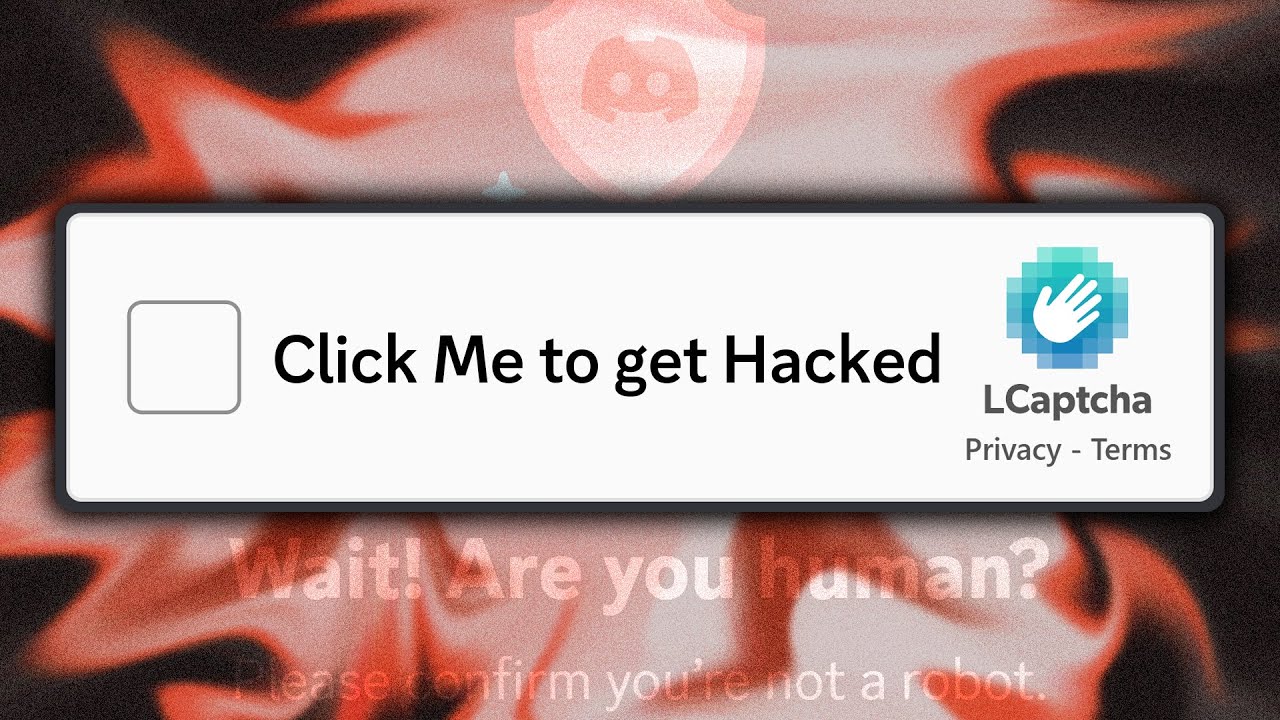
Mastering the Discord Captcha Scam: A Definitive Guide to Identification and Defense


The digital realm is a battlefield, and new threats emerge daily. Today, we dissect a particularly insidious one: the Discord Captcha scam. This isn't just about protecting your Discord; it's about understanding a pervasive threat that can compromise your entire digital presence. This dossier provides the blueprint for identifying, understanding, and neutralizing this threat.

Introduction: The Pervasive Captcha Threat

The digital landscape is constantly evolving, and with it, the sophistication of malicious actors. A new wave of scams is targeting users across the internet, masquerading as legitimate "captcha" verification processes. While initially gaining notoriety on platforms like Discord, this threat is far more widespread. These deceptive captchas are designed to appear innocuous, yet upon completion, they can initiate a cascade of malicious actions, including the compromise of your Discord account and, potentially, much more. This guide will equip you with the intelligence needed to identify these scam captchas, understand their underlying mechanics, and implement robust defensive measures.

How the Scam Captcha Looks and Appears

The hallmark of this scam is its adaptability. You might encounter these fake captchas not just on Discord, but integrated into various websites, pop-up windows, or embedded within seemingly legitimate content. They often mimic the appearance of genuine captchas, using familiar interfaces with elements like checkboxes, image selection puzzles, or simple text entry fields. The key differentiator is usually context and origin. If a captcha appears unexpectedly, outside of a standard login or verification flow, or on a site you don't typically interact with for verification, skepticism is warranted.

The Deceptive Captcha Completion Process

The user experience is designed to lull you into a false sense of security. After clicking the "I'm not a robot" checkbox or solving a simple puzzle, the scam doesn't end there. Instead of granting access or verifying your humanity, the completion of the captcha triggers a silent, background process. This is where the malicious payload is delivered. The user, believing they have successfully verified themselves, proceeds unaware of the compromise occurring in the background.

How the Captcha Scam Actually Works: Technical Mechanics

At its core, this scam leverages browser vulnerabilities and social engineering. When a user interacts with the fake captcha, they are often executing JavaScript code delivered by the malicious site. This code can perform several actions:

  • Token Stealing: The script can attempt to steal authentication tokens, particularly those stored by your browser for persistent logins to websites like Discord.
  • Malware Download: It can trigger the download of executable files disguised as necessary plugins or verification tools.
  • Exploiting Browser Vulnerabilities: In some cases, the malicious script might exploit known or zero-day vulnerabilities in the user's browser or its extensions to gain deeper access to the system.
  • Clipboard Hijacking: Advanced versions can monitor your clipboard for sensitive information like passwords or API keys.

The scam capitalizes on the user's ingrained habit of completing captchas without deep scrutiny.

Spicy Sketchy Behaviour: Understanding the Payload

The "spicy sketchy behavior" refers to the actions initiated once the captcha is "completed." This isn't just a simple script execution. The payload can be multifaceted:

  • Account Enumeration: The script might attempt to identify other logged-in accounts on your machine.
  • Data Exfiltration: It prepares to send stolen information back to the attacker's command and control (C2) server.
  • Persistence Mechanisms: In more severe cases, the payload might attempt to establish persistence, ensuring it runs even after a reboot.

The ultimate goal is to maximize the data extracted and the potential damage inflicted.

The LOOT: What the Attackers Steal

The primary targets for these attackers are:

  • Discord Account Tokens: These tokens allow attackers to impersonate users, join servers, send messages, and potentially gain administrative access.
  • Credentials for Other Services: If the user has saved passwords or is logged into other sites, the malware could attempt to steal those credentials.
  • Personal Information: Depending on the depth of the compromise, files on the local machine could be targeted.
  • Cryptocurrency Wallets: If the user interacts with cryptocurrency platforms, attackers may try to steal wallet keys or redirect transactions.

The value of the stolen data varies, but Discord tokens are particularly high-value due to the platform's widespread use in communities and for business communications.

PSA: Discord's Own Captchas - A Clarification

It's crucial to distinguish these scam captchas from Discord's legitimate verification processes. Discord employs captchas primarily during account creation, password resets, or when suspicious activity is detected to protect users. These official captchas are integrated directly into the Discord application or website and are generally considered secure. The scam captchas, conversely, are external, often appearing as unsolicited pop-ups or embedded on third-party sites claiming to be related to Discord verification. Always verify the source; if in doubt, navigate directly to Discord via its official URL.

Defense Protocols: Identifying and Avoiding Scam Captchas

To fortify your defenses against these threats:

  • Scrutinize the Source: Never click on links or complete verification processes from unsolicited messages or unknown websites. Always navigate directly to the official website.
  • Context is Key: Be suspicious of captchas that appear randomly or outside of a standard login/verification process.
  • Browser Security: Keep your browser updated to the latest version to patch known vulnerabilities. Consider using security extensions that block malicious scripts.
  • Antivirus/Anti-Malware: Ensure you have reputable security software installed and running, and keep it updated.
  • Token Security: Never share your Discord token. If you suspect your token has been compromised, immediately change your Discord password and log out of all sessions via Discord settings.
  • Two-Factor Authentication (2FA): Enable 2FA on your Discord account and all other critical online services. This adds a significant layer of security.

Advanced Threat Analysis: Beyond Discord

The techniques employed in these captcha scams are not unique to Discord. They represent a broader trend in phishing and malware distribution. Attackers are constantly seeking novel ways to bypass user awareness and security protocols. Understanding the underlying principles—social engineering, script execution, and token/credential theft—is vital for recognizing similar threats across different platforms and applications. This methodology can be applied to any scenario where a user is prompted for verification or interaction under suspicious circumstances.

The Engineer's Arsenal: Tools for Digital Defense

To enhance your security posture, consider integrating the following into your digital toolkit:

  • NordVPN: For masking your IP address and encrypting your internet traffic, making it harder for malicious actors to track your online activity. Get an Exclusive NordVPN deal + 4 months extra here. It’s risk-free with Nord’s 30-day money-back guarantee!
  • Reputable Antivirus/Anti-Malware Suite: Such as Malwarebytes, Bitdefender, or Kaspersky.
  • Browser Security Extensions: Like uBlock Origin (for ad and script blocking) and Privacy Badger.
  • Password Manager: To generate and store strong, unique passwords for all your accounts.

Comparative Analysis: Captcha Scams vs. Traditional Phishing

Traditional phishing attacks rely on deceptive emails or messages impersonating legitimate entities to trick users into revealing sensitive information or clicking malicious links. Captcha scams, while a form of social engineering, differ in their execution. Instead of directly asking for credentials, they leverage the user's learned behavior of completing verification tasks. The compromise is often silent and happens post-interaction, making it more insidious than overt requests for passwords. While phishing aims for direct credential theft, captcha scams often aim for token theft or malware delivery, which can indirectly lead to credential compromise or system control.

The Engineer's Verdict

This Discord Captcha scam is a potent example of how attackers exploit ingrained user behaviors. Its effectiveness lies in its subtlety and ubiquity. Vigilance, a healthy dose of skepticism, and robust security practices—including up-to-date software, strong authentication methods like 2FA, and a reliable VPN—are your best defenses. Treat every unexpected verification prompt as a potential threat until proven otherwise. The digital security of your accounts and systems depends on this diligent approach.

Frequently Asked Questions

Can completing a fake captcha truly hack my computer?
Yes, it can. The fake captcha can trigger the download and execution of malware, exploit browser vulnerabilities, or steal sensitive authentication tokens, effectively compromising your system or accounts.
How do I know if Discord's captcha is real?
Legitimate Discord captchas appear within the official Discord application or website during specific processes like signup or password reset. Be wary of any captcha appearing on a third-party site or as an unexpected pop-up.
What is a Discord token and why is it dangerous if stolen?
A Discord token is a unique identifier that allows your browser or an application to stay logged into your Discord account without needing to re-enter your password. If stolen, an attacker can use it to impersonate you, access your servers, and send messages as you.
Is enabling 2FA enough to protect my Discord account?
2FA significantly enhances your security by requiring a second form of verification. However, if your account token is stolen, an attacker might still gain access. Always practice safe browsing habits in addition to using 2FA.

About the Author

The Cha0smagick is a seasoned digital operative, blending the analytical rigor of an intelligence analyst with the pragmatic execution of an elite hacker. With years spent navigating the complex architecture of digital systems and uncovering vulnerabilities, they provide actionable intelligence and technical blueprints designed to empower fellow operators in the digital domain. This dossier is a product of deep-dive analysis and field experience.

Your Mission: Execute, Share, and Debate

If this blueprint has armed you with the knowledge to identify and neutralize this threat, share it within your network. Digital security is a collective responsibility. A well-informed operative strengthens the entire network.

Know someone still vulnerable to this scam? Tag them in the comments. No operative left behind.

What threat analysis or technical blueprint should be our next mission? Your input dictates our operational focus. Demand it in the comments.

Mission Debriefing

Engage in the comments below. Share your experiences, ask clarifying questions, and contribute your insights. This is where we consolidate our intelligence and refine our strategies.

, "headline": "Mastering the Discord Captcha Scam: A Definitive Guide to Identification and Defense", "image": [], "datePublished": "PUBLICATION_DATE", "dateModified": "MODIFICATION_DATE", "author": { "@type": "Person", "name": "The Cha0smagick", "url": "URL_OF_THE_AUTHOR_PAGE" }, "publisher": { "@type": "Organization", "name": "Sectemple", "logo": { "@type": "ImageObject", "url": "URL_OF_YOUR_LOGO" } }, "description": "Dissecting the pervasive Discord Captcha scam: Learn how to identify, understand, and defend against deceptive captchas that can compromise your accounts and systems." }
, { "@type": "ListItem", "position": 2, "name": "Cybersecurity", "item": "URL_TO_CYBERSECURITY_CATEGORY" }, { "@type": "ListItem", "position": 3, "name": "Mastering the Discord Captcha Scam: A Definitive Guide to Identification and Defense" } ] }
}, { "@type": "Question", "name": "How do I know if Discord's captcha is real?", "acceptedAnswer": { "@type": "Answer", "text": "Legitimate Discord captchas appear within the official Discord application or website during specific processes like signup or password reset. Be wary of any captcha appearing on a third-party site or as an unexpected pop-up." } }, { "@type": "Question", "name": "What is a Discord token and why is it dangerous if stolen?", "acceptedAnswer": { "@type": "Answer", "text": "A Discord token is a unique identifier that allows your browser or an application to stay logged into your Discord account without needing to re-enter your password. If stolen, an attacker can use it to impersonate you, access your servers, and send messages as you." } }, { "@type": "Question", "name": "Is enabling 2FA enough to protect my Discord account?", "acceptedAnswer": { "@type": "Answer", "text": "2FA significantly enhances your security by requiring a second form of verification. However, if your account token is stolen, an attacker might still gain access. Always practice safe browsing habits in addition to using 2FA." } } ] }

Trade on Binance: Sign up for Binance today!

Mastering CCTV Reconnaissance: Exposing Scammers with Live Camera Feeds


Advertencia Ética: La siguiente técnica debe ser utilizada únicamente en entornos controlados y con autorización explícita. Su uso malintencionado es ilegal y puede tener consecuencias legales graves.

In the digital trenches of cybersecurity, the line between information gathering and intrusion is a fine one, often navigated by those who seek to expose vulnerabilities for the greater good. This dossier delves into the advanced techniques of leveraging live CCTV camera feeds, not for malicious intent, but as a profound tool for counter-intelligence against malicious actors. We will dissect the methodology, the ethical considerations, and the technical blueprints that enable such operations, transforming a seemingly passive surveillance system into an active defense mechanism.

Today’s mission focuses on a critical aspect of digital forensics and ethical hacking: turning the tables on scammers by exploiting their own surveillance infrastructure. Imagine gaining unauthorized access to a scam call center's CCTV network, then using that direct visual intelligence to confront the perpetrators with their own personal data. This isn't science fiction; it's a high-stakes operation that requires precision, technical prowess, and a deep understanding of network vulnerabilities.

For those looking to proactively secure their digital footprint, understanding how your personal information is exposed is the first step. We highly recommend trying our sponsor, Aura. Gain peace of mind with a 14-day free trial at aura.com/nano to discover how often your personal information appears on the dark web and the internet.

Mission Briefing: Understanding the Threat Landscape

Scam call centers operate by leveraging anonymity and distance to exploit unsuspecting individuals. Their infrastructure, while often robust in terms of communication, can present significant security weaknesses, particularly in how their internal operations are monitored. CCTV systems, intended for internal security and oversight, can inadvertently become a goldmine of intelligence if compromised. By accessing these live feeds, operatives can gain unparalleled insight into the scammers' environment, confirming their location, observing their methods, and identifying key personnel. This intelligence is crucial for effective takedowns and preventing further victimization.

Our operational focus is inspired by the pioneering work of channels like Scambaiter, Jim Browning, and Scammer Payback, who have dedicated themselves to tracking down, identifying, and disrupting scam operations. Their methods, often involving deep dives into digital footprints and creative exploitation of vulnerabilities, provide a blueprint for ethical intervention.

Technical Blueprint: Exploiting CCTV Network Vulnerabilities

The compromise of CCTV systems typically hinges on exploiting common network security flaws. These systems, especially in less sophisticated operations, often rely on default credentials, unpatched firmware, or insecure network configurations. A typical attack vector involves:

  • Default Credentials: Many CCTV systems ship with default usernames and passwords (e.g., admin/admin, admin/password). A reconnaissance phase often involves scanning for devices using common IP ranges and attempting these default logins via tools like Nmap or specialized scanners.
  • Insecure Network Protocols: Protocols like RTSP (Real Time Streaming Protocol) are often used for CCTV feeds. If these streams are exposed to the internet without proper authentication or encryption, they can be intercepted.
  • Firmware Vulnerabilities: Like any software, CCTV firmware can have known vulnerabilities (CVEs). Researching the specific make and model of the camera can reveal exploitable flaws that allow remote access or privilege escalation.
  • Weak Wi-Fi Security: If the CCTV system relies on Wi-Fi, weak encryption (like WEP or WPA) or easily guessable passwords can be a gateway into the network.

The technical process involves identifying potential targets, performing network scans to fingerprint devices and open ports, and attempting known exploits or default credential bypasses. Tools commonly employed in this phase include:

  • Nmap: For network discovery, port scanning, and service version detection.
  • SearchSploit: To quickly find known exploits for identified software versions.
  • Shodan/Censys: Internet-wide search engines that can help identify exposed CCTV devices.
  • Specialized CCTV Scanners: Tools designed to probe for common CCTV vulnerabilities.

Once access is gained, the objective is to locate the live stream URL, which often uses RTSP or HTTP protocols. The specific URL format varies by manufacturer but often looks like `rtsp://:/`.

Intelligence Gathering: Accessing Live Feeds

After successfully identifying and gaining access to a CCTV system, the next critical step is to obtain the live video stream. This involves:

  1. Identifying the Stream Protocol: Determine if the feed uses RTSP, HTTP, or another protocol. This is often found through device documentation or by observing network traffic.
  2. Locating the Stream URL: Manufacturers have different URL structures. Common paths might include `/live.sdp`, `/stream1`, or similar variations. Sometimes, a device's web interface, if accessible, will provide the stream URL.
  3. Utilizing VLC Media Player: The versatile VLC Media Player is an excellent tool for testing and viewing these streams. By navigating to "Media" > "Open Network Stream" and entering the suspected RTSP or HTTP URL, you can verify if the feed is accessible.
  4. Scripting for Automation: For efficiency, especially when dealing with multiple potential targets, scripting the process of attempting various URL combinations and stream protocols can be highly effective. Python with libraries like `requests` (for HTTP) and `python-rtsp-client` (for RTSP) can automate this reconnaissance.

Example Python Snippet for RTSP Stream Access:


import cv2
import sys

# Example: Replace with actual IP, port, and path RTSP_URL = "rtsp://admin:admin@192.168.1.108:554/Streaming/Channels/101"

cap = cv2.VideoCapture(RTSP_URL)

if not cap.isOpened(): print("Error: Could not open RTSP stream.") sys.exit()

while True: ret, frame = cap.read() if not ret: print("Error: Failed to grab frame.") break

cv2.imshow('Live CCTV Feed', frame)

if cv2.waitKey(1) & 0xFF == ord('q'): break

cap.release() cv2.destroyAllWindows()

This Python script utilizes the OpenCV library to connect to an RTSP stream and display the video feed. By adapting the `RTSP_URL`, this technique can be applied to various accessible CCTV systems.

Counter-Intelligence Operations: Confrontation and Exposure

Once a stable live feed from a scam call center is established, the true mission begins: confrontation. This phase requires meticulous planning and execution, blending technical access with psychological tactics.

  1. Information Cross-Referencing: Using the visual intelligence from the CCTV feed, operatives can identify individuals. This visual data is then cross-referenced with other sources (e.g., leaked databases, social media profiles, previous intelligence) to obtain their real names, contact information, and potentially, details about their operations.
  2. Direct Confrontation (VoIP/Masked Calls): The gathered personal information is then used to confront the scammers. This is typically done via VoIP calls or other masked communication channels to maintain the operative's anonymity. The goal is to reveal that their identity and location are known, causing panic and disruption.
  3. Documentation and Reporting: All interactions, visual evidence, and gathered intelligence are meticulously documented. This documentation is crucial for potential reporting to law enforcement agencies or for creating educational content that warns the public.
  4. Leveraging Collaborations: As demonstrated by the inspiration channels, collaboration is key. Sharing information and coordinating efforts with other scambaiters or outreach groups amplifies the impact and reach of these operations. Big thanks to collaborators like @MidnightSB and @theavahoutgroup for their invaluable assistance in such missions.

The psychological impact of being confronted by someone who knows their real identity and personal details can be devastating for scammers, often leading to the abandonment of their operations or significant operational disruption.

Ethical Framework and Legal Safeguards

Navigating the ethical and legal landscape of such operations is paramount. While the intent is to disrupt criminal activity, unauthorized access to systems is illegal in most jurisdictions. Therefore, strict adherence to ethical hacking principles is non-negotiable:

  • Authorization: Ideally, operations should be conducted with law enforcement oversight or in collaboration with them. However, in many scambaiting scenarios, this is not feasible.
  • Minimizing Harm: The primary objective is to disrupt criminal activity and protect potential victims, not to cause undue harm or financial loss to the perpetrators beyond what is necessary for disruption.
  • Data Privacy: While exposing scammers' personal information is part of the tactic, care must be taken not to expose information of uninvolved individuals who might be incidentally captured on camera.
  • Purpose Limitation: The acquired intelligence should only be used for the stated purpose of disrupting the scam operation and reporting to authorities.
  • Jurisdictional Awareness: Laws regarding hacking, surveillance, and data privacy vary significantly by region. Operatives must be aware of and comply with the laws in their own jurisdiction and, where possible, the jurisdiction of the target.

The goal is to operate within a gray area, leveraging technical skills for a positive outcome while minimizing legal risks. The focus remains on defensive cybersecurity and ethical intervention.

The Arsenal of the Digital Operative

Equipping oneself for these missions involves a combination of hardware, software, and knowledge. The digital operative's toolkit includes:

  • High-Performance Computing: A robust machine capable of running virtual machines, intensive scanning tools, and video processing software.
  • Virtualization Software: VMware or VirtualBox for creating isolated environments to run various operating systems and tools safely.
  • Network Analysis Tools: Wireshark for deep packet inspection, Nmap for network scanning, and specialized tools for identifying device types and vulnerabilities.
  • Programming Languages: Python is indispensable for scripting automated tasks, network interactions, and data analysis.
  • VPN Services: For masking IP addresses and encrypting traffic, ensuring anonymity. A reputable VPN service is critical for security.
  • Operating Systems: Linux distributions like Kali Linux or Parrot OS are favored for their pre-installed security tools.
  • Communication Tools: Secure messaging apps and VoIP services with masking capabilities.
  • Open Source Intelligence (OSINT) Tools: Platforms and techniques for gathering information from publicly available sources.
  • Video Playback Software: VLC Media Player for analyzing video streams.

Books like "Hacking: The Art of Exploitation" by Jon Erickson and "The Web Application Hacker's Handbook" provide foundational knowledge. Online resources and certifications such as CompTIA Security+, CEH, or OSCP can formalize skills, though practical experience in controlled environments is invaluable.

Comparative Analysis: CCTV Exploitation vs. Traditional Methods

Confronting scammers through compromised CCTV feeds offers distinct advantages over traditional methods:

  • Direct Visual Confirmation: Unlike phone-based scambaiting, CCTV access provides direct visual proof of the scammers' environment, personnel, and activities. This leads to more potent and verifiable intelligence.
  • Environmental Context: Observing the surroundings in the CCTV feed can reveal crucial details about the scam center's location, operational scale, and even specific equipment used, aiding in broader investigations.
  • Psychological Impact Amplification: Revealing not just their name but also their physical environment and activities significantly increases the psychological pressure on scammers, making them feel exposed and vulnerable.
  • Scalability: With the right tools and techniques, accessing multiple CCTV feeds can be more scalable than managing numerous individual phone call baits.

However, traditional methods like phone-based scambaiting remain valuable for their accessibility and lower technical barrier to entry. They are effective for gathering voice recordings, tracing phone numbers, and engaging scammers directly in conversation. Combining both approaches, where feasible, offers the most comprehensive strategy.

Mission Debrief: Lessons Learned and Future Operations

Successfully executing an operation like confronting scammers via their own CCTV network yields significant insights. The key takeaways often include:

  • The Pervasiveness of Weak Security: Many seemingly sophisticated operations still rely on basic security oversights, making them surprisingly vulnerable.
  • The Power of Visual Intelligence: Live video feeds offer a layer of intelligence that is difficult to obtain through other means, providing irrefutable evidence and context.
  • Ethical Boundaries are Crucial: Operating within legal and ethical frameworks is paramount to ensure the legitimacy of the operation and avoid personal repercussions.
  • Collaboration Enhances Impact: Working with other operatives and groups magnifies the effectiveness and reach of disruption efforts.

Future operations will continue to refine these techniques, focusing on more sophisticated methods of network penetration, advanced OSINT integration, and developing non-confrontational ways to disrupt scam operations, potentially through automated reporting or system sabotage (within ethical bounds). The ongoing battle against cybercrime requires constant innovation and adaptation.

Frequently Asked Questions

Is it legal to hack into CCTV cameras?
Unauthorized access to computer systems, including CCTV networks, is illegal in most jurisdictions. Ethical hacking principles dictate that such activities should only be performed with explicit permission or in collaboration with law enforcement for investigative purposes. This guide is for educational purposes regarding security vulnerabilities and ethical countermeasures.
How can I protect my own CCTV system from being hacked?
Always change default passwords to strong, unique ones. Keep firmware updated. Use strong Wi-Fi encryption (WPA2/WPA3). If possible, segment your CCTV network from your main network. Avoid exposing camera streams directly to the internet without proper security measures like VPN access.
What are the risks involved in scambaiting operations like this?
Risks include legal repercussions for unauthorized access, retaliation from scammers, exposure of your own personal information, and the psychological toll of interacting with malicious actors.
Where can I learn more about ethical hacking and cybersecurity?
Reputable sources include certifications like CompTIA Security+, CEH, OSCP, online learning platforms (Coursera, Udemy), and cybersecurity communities. Studying the work of experienced ethical hackers and security researchers is also highly beneficial.

About the Operative

This dossier was compiled by "The Cha0smagick," a seasoned digital operative with extensive experience in network forensics, vulnerability analysis, and ethical exploitation. With a pragmatic and analytical approach forged in the digital shadows, The Cha0smagick transforms complex technical challenges into actionable intelligence and robust defensive strategies. This report represents another mission briefing from the Sectemple archives, designed to equip fellow operatives with the knowledge to navigate and neutralize digital threats.

Your Mission: Execute, Share, and Debate

If this blueprint has illuminated the path to understanding and combating illicit digital operations, share it. Let the knowledge flow. Every operative armed with this intelligence strengthens our collective defense.

Share this dossier with your network. Post it on forums, share it on social media. The more eyes that see this, the more vulnerable scammers become.

Challenge your peers: Identify a vulnerability in a system you oversee (with permission) and document your findings. Apply these principles ethically.

Debriefing of the Mission

What are your thoughts on the ethics of this operation? What further steps would you take, or what risks do you foresee? Share your insights in the comments below. Your input is vital for our next mission briefing.

json [ { "@context": "https://schema.org", "@type": "BlogPosting", "mainEntityOfPage": { "@type": "WebPage", "@id": "YOUR_POST_URL" }, "headline": "Mastering CCTV Reconnaissance: Exposing Scammers with Live Camera Feeds", "image": [], "datePublished": "YYYY-MM-DD", "dateModified": "YYYY-MM-DD", "author": { "@type": "Person", "name": "The Cha0smagick", "url": "YOUR_AUTHOR_PROFILE_URL" }, "publisher": { "@type": "Organization", "name": "Sectemple", "logo": { "@type": "ImageObject", "url": "YOUR_LOGO_URL" } }, "description": "Learn advanced techniques for ethical CCTV reconnaissance to expose and disrupt scam operations. This guide details technical exploits, intelligence gathering, and confrontation strategies.", "keywords": "CCTV hacking, ethical hacking, cybersecurity, scammer investigation, network penetration, digital forensics, scambaiting, vulnerability analysis, live camera feeds, RTSP, information security" }, { "@context": "https://schema.org", "@type": "BreadcrumbList", "itemListElement": [ { "@type": "ListItem", "position": 1, "name": "Home", "item": "YOUR_HOMEPAGE_URL" }, { "@type": "ListItem", "position": 2, "name": "Cybersecurity", "item": "YOUR_CATEGORY_URL" }, { "@type": "ListItem", "position": 3, "name": "Mastering CCTV Reconnaissance: Exposing Scammers with Live Camera Feeds" } ] }, { "@context": "https://schema.org", "@type": "FAQPage", "mainEntity": [ { "@type": "Question", "name": "Is it legal to hack into CCTV cameras?", "acceptedAnswer": { "@type": "Answer", "text": "Unauthorized access to computer systems, including CCTV networks, is illegal in most jurisdictions. Ethical hacking principles dictate that such activities should only be performed with explicit permission or in collaboration with law enforcement for investigative purposes. This guide is for educational purposes regarding security vulnerabilities and ethical countermeasures." } }, { "@type": "Question", "name": "How can I protect my own CCTV system from being hacked?", "acceptedAnswer": { "@type": "Answer", "text": "Always change default passwords to strong, unique ones. Keep firmware updated. Use strong Wi-Fi encryption (WPA2/WPA3). If possible, segment your CCTV network from your main network. Avoid exposing camera streams directly to the internet without proper security measures like VPN access." } }, { "@type": "Question", "name": "What are the risks involved in scambaiting operations like this?", "acceptedAnswer": { "@type": "Answer", "text": "Risks include legal repercussions for unauthorized access, retaliation from scammers, exposure of your own personal information, and the psychological toll of interacting with malicious actors." } }, { "@type": "Question", "name": "Where can I learn more about ethical hacking and cybersecurity?", "acceptedAnswer": { "@type": "Answer", "text": "Reputable sources include certifications like CompTIA Security+, CEH, OSCP, online learning platforms (Coursera, Udemy), and cybersecurity communities. Studying the work of experienced ethical hackers and security researchers is also highly beneficial." } } ] } ]

Trade on Binance: Sign up for Binance today!

Burger King Caught Training AI on 100 Million Customer Voices: A Deep Dive into the RBI Data Breach


In the digital age, data is the new oil. But what happens when that oil is extracted directly from the conversations of unsuspecting customers? A recent breach targeting Restaurant Brands International (RBI) has unearthed a disturbing reality: millions of customer voice recordings, captured through drive-thru interactions at Burger King, Popeyes, and Tim Hortons, were harvested and utilized to train an artificial intelligence model. This dossier delves into the technical underpinnings of this breach, its profound implications for customer privacy, and the essential defensive postures organizations must adopt.

Introduction: The Whisper Campaign

The drive-thru, once a symbol of fast convenience, has become a critical data collection point. Every order, every interaction, is a potential data stream. In a bold move that blurs the lines between customer service and invasive surveillance, a sophisticated breach has revealed that RBI was not just listening, but actively using these intimate customer conversations to build advanced AI systems. This operation, detailed in the original report, raises urgent questions about data governance, consent, and the ethical boundaries of machine learning deployment.

Mission Briefing: The RBI Breach Unveiled

An unnamed hacker managed to penetrate the systems of Restaurant Brands International (RBI), the parent company of fast-food giants like Burger King, Popeyes, and Tim Hortons. The exploit vector? An authentication bypass. This allowed unauthorized access to sensitive data, most notably, a trove of voice recordings from customer interactions at drive-thrus. The sheer volume—estimated to be in the tens of millions—underscores the scale of the operation and the potential reach of the compromised data. This incident serves as a stark reminder of the persistent threats in the cybersecurity landscape.

Technical Deep Dive: Authentication Bypass and Data Exfiltration

The cornerstone of this breach was an "authentication bypass" vulnerability. In essence, this means the hacker found a way to trick the system into granting access without proper credentials. This often involves exploiting flaws in how user sessions are managed, how tokens are validated, or how API endpoints handle requests. Such vulnerabilities can be particularly insidious, as they bypass traditional username/password checks. The implications are vast: if an authentication mechanism can be subverted, an attacker can potentially gain access to any function or data the legitimate user could, and sometimes, even more.

Post-breach discovery revealed that raw voice recordings, likely captured via the drive-thru speaker systems and processed for order taking, were stored and subsequently used for the AI model training. The exfiltration of this data suggests a deep level of access to RBI's data storage infrastructure. This wasn't a superficial compromise; it was a deep dive into the heart of their data operations.

The AI Altar: Training Models with Customer Voices

The most alarming aspect of this incident is the deployment of customer voice data for AI/machine learning model training. Voice recognition and natural language processing (NLP) models thrive on vast datasets. These recordings, containing personal conversations, order details, and potentially even background noise revealing personal circumstances, were used to refine algorithms. This could include:

  • Speech-to-Text Accuracy: Improving the accuracy of converting spoken words into text for order processing.
  • Natural Language Understanding (NLU): Enhancing the AI's ability to comprehend customer intent, accents, and informal language.
  • Sentiment Analysis: Potentially analyzing customer tone to gauge satisfaction or identify issues (though this is speculative).
  • Personalization Algorithms: (Hypothetically) Using voice patterns or vocal characteristics for future identification or targeted marketing.

The ethical tightrope here is undeniable. While AI advancements are crucial, they must not come at the expense of fundamental privacy rights. The lack of explicit consent for using these recordings in such a manner is a critical failure.

Code of Conduct: Privacy, Ethics, and the Law

This incident starkly highlights the growing tension between technological innovation and individual privacy. Key considerations include:

  • Informed Consent: Were customers adequately informed that their voice recordings would be stored and used for AI training? Standard privacy policies often fall short of clearly communicating such specific data usage.
  • Data Minimization: Organizations should only collect and retain data that is strictly necessary for their stated purposes. Was retaining millions of voice recordings for AI training justifiable without explicit consent, especially after the primary purpose (order taking) was fulfilled?
  • Purpose Limitation: Data collected for one purpose should not be repurposed without consent. Using drive-thru recordings for AI training likely violates this principle.
  • Regulatory Compliance: Depending on the jurisdiction (e.g., GDPR in Europe, CCPA in California), such practices could lead to significant legal repercussions. Laws are increasingly focused on biometric data, which voiceprints can be considered.

Advertencia Ética: La siguiente técnica debe ser utilizada únicamente en entornos controlados y con autorización explícita. Su uso malintencionado es ilegal y puede tener consecuencias legales graves.

The analysis of authentication bypass techniques is crucial for defensive cybersecurity professionals. Understanding how these flaws work allows teams to identify and patch them before malicious actors can exploit them. Tools like OWASP ZAP or Burp Suite can be used in authorized penetration tests to simulate these attacks and assess system resilience. However, accessing or exploiting systems without explicit permission is illegal and unethical.

Fortifying the Perimeter: Defense in Depth

For organizations handling sensitive customer data, a multi-layered defense strategy is paramount:

  • Robust Authentication and Authorization: Implement least privilege principles and strong multi-factor authentication (MFA) across all systems. Regularly audit access logs for suspicious activity.
  • Data Encryption: Encrypt data both at rest (in storage) and in transit (during transmission). This ensures that even if data is exfiltrated, it remains unreadable without the decryption key.
  • Regular Vulnerability Assessments and Penetration Testing: Proactively identify and remediate weaknesses in systems and applications. Focus on common exploit vectors like authentication bypasses.
  • Data Governance and Privacy by Design: Embed privacy considerations into the entire data lifecycle, from collection to deletion. Ensure transparent data usage policies and obtain explicit consent for sensitive data processing.
  • AI Ethics Framework: Develop and adhere to a strict ethical framework for AI development and deployment, prioritizing user privacy and data security.
  • Incident Response Plan: Maintain a well-rehearsed incident response plan to quickly detect, contain, and remediate breaches, minimizing damage and downtime.

In today's cloud-native environment, adopting a Zero Trust architecture is no longer optional. This model assumes no implicit trust and continuously verifies every access request, regardless of origin. Implementing solutions like Cloud Security Posture Management (CSPM) tools and Identity and Access Management (IAM) policies is critical.

Comparative Analysis: RBI Breach vs. Industry Standards

The RBI breach stands in stark contrast to best practices in data handling and AI ethics. While many tech companies are transparent about their data usage and obtain granular consent, RBI's alleged actions suggest a more opaque approach. Competitors in the quick-service restaurant (QSR) sector are increasingly investing in secure data infrastructure and ethical AI, recognizing that customer trust is a key differentiator. Companies like McDonald's and Starbucks have faced scrutiny over data practices, but the scale and nature of the RBI breach—using raw voice data for AI training without clear consent—appears to be a significant escalation.

Other industries, particularly those handling sensitive biometric data like healthcare and finance, have much stricter regulations (e.g., HIPAA, PCI DSS) that mandate robust security controls and explicit consent. The QSR industry, while subject to general data protection laws, has sometimes lagged in implementing the same level of rigor, a gap that breaches like this expose.

The Engineer's Verdict

This incident is a clear example of technological overreach driven by the insatiable demand for data to fuel AI. While the pursuit of AI advancement is understandable, it cannot justify the erosion of consumer privacy. The use of authentication bypass exploits highlights a fundamental security lapse within RBI's infrastructure. My verdict: A critical failure in both technical security and ethical data governance. Organizations must move beyond ticking compliance boxes and cultivate a genuine culture of security and privacy. The drive-thru should be for ordering burgers, not for harvesting biometric data under the guise of service improvement.

Frequently Asked Questions

What brands are affected by the RBI data breach?
The breach impacts brands under Restaurant Brands International (RBI), including Burger King, Popeyes, and Tim Hortons.
How were customer voices used?
Customer voice recordings from drive-thru interactions were reportedly used to train an AI/machine learning model.
Was customer consent obtained?
The original report suggests that explicit consent for using voice data for AI training was not clearly obtained, raising significant privacy concerns.
What is an "authentication bypass"?
An authentication bypass is a cybersecurity vulnerability that allows an attacker to gain access to a system or its data without providing valid credentials.
What can individuals do to protect their data?
Be mindful of the data you share, review privacy policies, use strong, unique passwords, enable MFA, and be cautious about granting permissions to apps and services. For financial data, consider using platforms like Binance for secure cryptocurrency management.

About The Author

The Cha0smagick is a veteran digital operative and counter-intelligence expert with over a decade of experience in the trenches of cybersecurity. Specializing in reverse engineering, network forensics, and offensive security research, they now dedicate their expertise to dissecting complex threats and architecting robust defensive strategies. This blog serves as a repository of detailed technical dossiers and operational blueprints for the discerning digital elite.

Mission Debrief: Your Next Steps

This dossier has exposed a critical vulnerability in how customer data can be exploited. The power of AI is immense, but its application must be guided by ethical principles and unwavering security. Understanding the anatomy of such breaches is the first step towards building a more secure digital future.

Your Mission: Execute, Share, and Debate

Now, it's your turn to act. The knowledge gained here is a weapon in the ongoing battle for digital integrity. If this analysis has provided clarity or saved you valuable time in understanding these complex threats, disseminate this intelligence within your network. A well-informed community is a resilient community.

  • Share the Blueprint: Forward this dossier to colleagues, peers, or any digital operative who needs to understand the risks and defenses against advanced AI-driven data exploitation.
  • Engage in the Discussion: What are your thoughts on the ethical implications of AI training data? Are there other authentication bypass techniques we should dissect? Voice your insights in the comments below. Your input shapes our future missions.
  • Demand Transparency: Hold organizations accountable for their data practices. Support companies that prioritize privacy and security by design.

Debriefing of the Mission

The fight for data privacy and security is continuous. Stay vigilant, stay informed, and continue to hone your skills. The digital realm demands constant adaptation and rigorous defense. What threat intelligence should we pursue next? Your demands dictate the agenda.

Additional Resources:

Trade on Binance: Sign up for Binance today!