{/* Google tag (gtag.js) */} SecTemple: hacking, threat hunting, pentesting y Ciberseguridad
Showing posts with label phishing. Show all posts

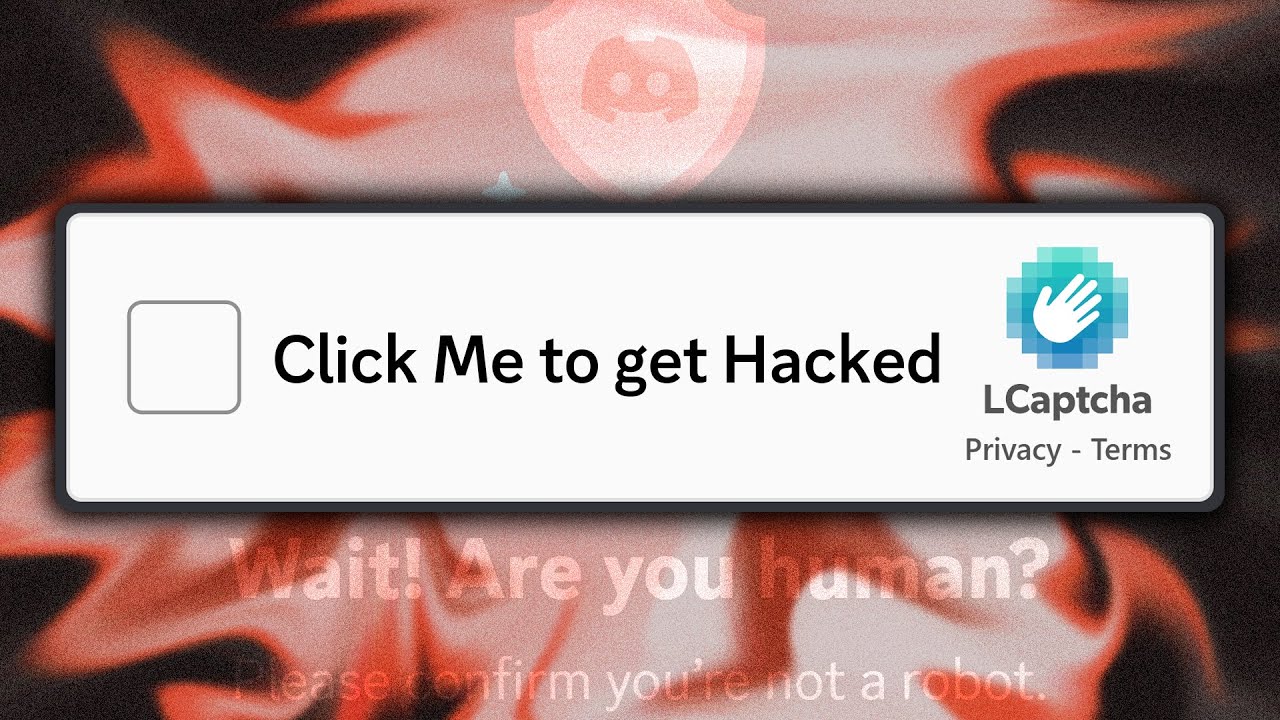
Mastering the Discord Captcha Scam: A Definitive Guide to Identification and Defense


The digital realm is a battlefield, and new threats emerge daily. Today, we dissect a particularly insidious one: the Discord Captcha scam. This isn't just about protecting your Discord; it's about understanding a pervasive threat that can compromise your entire digital presence. This dossier provides the blueprint for identifying, understanding, and neutralizing this threat.

Introduction: The Pervasive Captcha Threat

The digital landscape is constantly evolving, and with it, the sophistication of malicious actors. A new wave of scams is targeting users across the internet, masquerading as legitimate "captcha" verification processes. While initially gaining notoriety on platforms like Discord, this threat is far more widespread. These deceptive captchas are designed to appear innocuous, yet upon completion, they can initiate a cascade of malicious actions, including the compromise of your Discord account and, potentially, much more. This guide will equip you with the intelligence needed to identify these scam captchas, understand their underlying mechanics, and implement robust defensive measures.

How the Scam Captcha Looks and Appears

The hallmark of this scam is its adaptability. You might encounter these fake captchas not just on Discord, but integrated into various websites, pop-up windows, or embedded within seemingly legitimate content. They often mimic the appearance of genuine captchas, using familiar interfaces with elements like checkboxes, image selection puzzles, or simple text entry fields. The key differentiator is usually context and origin. If a captcha appears unexpectedly, outside of a standard login or verification flow, or on a site you don't typically interact with for verification, skepticism is warranted.

The Deceptive Captcha Completion Process

The user experience is designed to lull you into a false sense of security. After clicking the "I'm not a robot" checkbox or solving a simple puzzle, the scam doesn't end there. Instead of granting access or verifying your humanity, the completion of the captcha triggers a silent, background process. This is where the malicious payload is delivered. The user, believing they have successfully verified themselves, proceeds unaware of the compromise occurring in the background.

How the Captcha Scam Actually Works: Technical Mechanics

At its core, this scam leverages browser vulnerabilities and social engineering. When a user interacts with the fake captcha, they are often executing JavaScript code delivered by the malicious site. This code can perform several actions:

  • Token Stealing: The script can attempt to steal authentication tokens, particularly those stored by your browser for persistent logins to websites like Discord.
  • Malware Download: It can trigger the download of executable files disguised as necessary plugins or verification tools.
  • Exploiting Browser Vulnerabilities: In some cases, the malicious script might exploit known or zero-day vulnerabilities in the user's browser or its extensions to gain deeper access to the system.
  • Clipboard Hijacking: Advanced versions can monitor your clipboard for sensitive information like passwords or API keys.

The scam capitalizes on the user's ingrained habit of completing captchas without deep scrutiny.

Spicy Sketchy Behaviour: Understanding the Payload

The "spicy sketchy behavior" refers to the actions initiated once the captcha is "completed." This isn't just a simple script execution. The payload can be multifaceted:

  • Account Enumeration: The script might attempt to identify other logged-in accounts on your machine.
  • Data Exfiltration: It prepares to send stolen information back to the attacker's command and control (C2) server.
  • Persistence Mechanisms: In more severe cases, the payload might attempt to establish persistence, ensuring it runs even after a reboot.

The ultimate goal is to maximize the data extracted and the potential damage inflicted.

The LOOT: What the Attackers Steal

The primary targets for these attackers are:

  • Discord Account Tokens: These tokens allow attackers to impersonate users, join servers, send messages, and potentially gain administrative access.
  • Credentials for Other Services: If the user has saved passwords or is logged into other sites, the malware could attempt to steal those credentials.
  • Personal Information: Depending on the depth of the compromise, files on the local machine could be targeted.
  • Cryptocurrency Wallets: If the user interacts with cryptocurrency platforms, attackers may try to steal wallet keys or redirect transactions.

The value of the stolen data varies, but Discord tokens are particularly high-value due to the platform's widespread use in communities and for business communications.

PSA: Discord's Own Captchas - A Clarification

It's crucial to distinguish these scam captchas from Discord's legitimate verification processes. Discord employs captchas primarily during account creation, password resets, or when suspicious activity is detected to protect users. These official captchas are integrated directly into the Discord application or website and are generally considered secure. The scam captchas, conversely, are external, often appearing as unsolicited pop-ups or embedded on third-party sites claiming to be related to Discord verification. Always verify the source; if in doubt, navigate directly to Discord via its official URL.

Defense Protocols: Identifying and Avoiding Scam Captchas

To fortify your defenses against these threats:

  • Scrutinize the Source: Never click on links or complete verification processes from unsolicited messages or unknown websites. Always navigate directly to the official website.
  • Context is Key: Be suspicious of captchas that appear randomly or outside of a standard login/verification process.
  • Browser Security: Keep your browser updated to the latest version to patch known vulnerabilities. Consider using security extensions that block malicious scripts.
  • Antivirus/Anti-Malware: Ensure you have reputable security software installed and running, and keep it updated.
  • Token Security: Never share your Discord token. If you suspect your token has been compromised, immediately change your Discord password and log out of all sessions via Discord settings.
  • Two-Factor Authentication (2FA): Enable 2FA on your Discord account and all other critical online services. This adds a significant layer of security.

Advanced Threat Analysis: Beyond Discord

The techniques employed in these captcha scams are not unique to Discord. They represent a broader trend in phishing and malware distribution. Attackers are constantly seeking novel ways to bypass user awareness and security protocols. Understanding the underlying principles—social engineering, script execution, and token/credential theft—is vital for recognizing similar threats across different platforms and applications. This methodology can be applied to any scenario where a user is prompted for verification or interaction under suspicious circumstances.

The Engineer's Arsenal: Tools for Digital Defense

To enhance your security posture, consider integrating the following into your digital toolkit:

  • NordVPN: For masking your IP address and encrypting your internet traffic, making it harder for malicious actors to track your online activity. Get an Exclusive NordVPN deal + 4 months extra here. It’s risk-free with Nord’s 30-day money-back guarantee!
  • Reputable Antivirus/Anti-Malware Suite: Such as Malwarebytes, Bitdefender, or Kaspersky.
  • Browser Security Extensions: Like uBlock Origin (for ad and script blocking) and Privacy Badger.
  • Password Manager: To generate and store strong, unique passwords for all your accounts.

Comparative Analysis: Captcha Scams vs. Traditional Phishing

Traditional phishing attacks rely on deceptive emails or messages impersonating legitimate entities to trick users into revealing sensitive information or clicking malicious links. Captcha scams, while a form of social engineering, differ in their execution. Instead of directly asking for credentials, they leverage the user's learned behavior of completing verification tasks. The compromise is often silent and happens post-interaction, making it more insidious than overt requests for passwords. While phishing aims for direct credential theft, captcha scams often aim for token theft or malware delivery, which can indirectly lead to credential compromise or system control.

The Engineer's Verdict

This Discord Captcha scam is a potent example of how attackers exploit ingrained user behaviors. Its effectiveness lies in its subtlety and ubiquity. Vigilance, a healthy dose of skepticism, and robust security practices—including up-to-date software, strong authentication methods like 2FA, and a reliable VPN—are your best defenses. Treat every unexpected verification prompt as a potential threat until proven otherwise. The digital security of your accounts and systems depends on this diligent approach.

Frequently Asked Questions

Can completing a fake captcha truly hack my computer?
Yes, it can. The fake captcha can trigger the download and execution of malware, exploit browser vulnerabilities, or steal sensitive authentication tokens, effectively compromising your system or accounts.
How do I know if Discord's captcha is real?
Legitimate Discord captchas appear within the official Discord application or website during specific processes like signup or password reset. Be wary of any captcha appearing on a third-party site or as an unexpected pop-up.
What is a Discord token and why is it dangerous if stolen?
A Discord token is a unique identifier that allows your browser or an application to stay logged into your Discord account without needing to re-enter your password. If stolen, an attacker can use it to impersonate you, access your servers, and send messages as you.
Is enabling 2FA enough to protect my Discord account?
2FA significantly enhances your security by requiring a second form of verification. However, if your account token is stolen, an attacker might still gain access. Always practice safe browsing habits in addition to using 2FA.

About the Author

The Cha0smagick is a seasoned digital operative, blending the analytical rigor of an intelligence analyst with the pragmatic execution of an elite hacker. With years spent navigating the complex architecture of digital systems and uncovering vulnerabilities, they provide actionable intelligence and technical blueprints designed to empower fellow operators in the digital domain. This dossier is a product of deep-dive analysis and field experience.

Your Mission: Execute, Share, and Debate

If this blueprint has armed you with the knowledge to identify and neutralize this threat, share it within your network. Digital security is a collective responsibility. A well-informed operative strengthens the entire network.

Know someone still vulnerable to this scam? Tag them in the comments. No operative left behind.

What threat analysis or technical blueprint should be our next mission? Your input dictates our operational focus. Demand it in the comments.

Mission Debriefing

Engage in the comments below. Share your experiences, ask clarifying questions, and contribute your insights. This is where we consolidate our intelligence and refine our strategies.

, "headline": "Mastering the Discord Captcha Scam: A Definitive Guide to Identification and Defense", "image": [], "datePublished": "PUBLICATION_DATE", "dateModified": "MODIFICATION_DATE", "author": { "@type": "Person", "name": "The Cha0smagick", "url": "URL_OF_THE_AUTHOR_PAGE" }, "publisher": { "@type": "Organization", "name": "Sectemple", "logo": { "@type": "ImageObject", "url": "URL_OF_YOUR_LOGO" } }, "description": "Dissecting the pervasive Discord Captcha scam: Learn how to identify, understand, and defend against deceptive captchas that can compromise your accounts and systems." }
, { "@type": "ListItem", "position": 2, "name": "Cybersecurity", "item": "URL_TO_CYBERSECURITY_CATEGORY" }, { "@type": "ListItem", "position": 3, "name": "Mastering the Discord Captcha Scam: A Definitive Guide to Identification and Defense" } ] }
}, { "@type": "Question", "name": "How do I know if Discord's captcha is real?", "acceptedAnswer": { "@type": "Answer", "text": "Legitimate Discord captchas appear within the official Discord application or website during specific processes like signup or password reset. Be wary of any captcha appearing on a third-party site or as an unexpected pop-up." } }, { "@type": "Question", "name": "What is a Discord token and why is it dangerous if stolen?", "acceptedAnswer": { "@type": "Answer", "text": "A Discord token is a unique identifier that allows your browser or an application to stay logged into your Discord account without needing to re-enter your password. If stolen, an attacker can use it to impersonate you, access your servers, and send messages as you." } }, { "@type": "Question", "name": "Is enabling 2FA enough to protect my Discord account?", "acceptedAnswer": { "@type": "Answer", "text": "2FA significantly enhances your security by requiring a second form of verification. However, if your account token is stolen, an attacker might still gain access. Always practice safe browsing habits in addition to using 2FA." } } ] }

Trade on Binance: Sign up for Binance today!

Mastering Phishing: An Ethical Hacker's Blueprint to Building and Defending Against Malicious Sites in Under 4 Minutes


1. Introduction: The Evolving Threat Landscape

The digital battlefield is in constant flux. Threat actors are relentlessly innovating, and phishing remains one of the most potent and pervasive attack vectors. With sophisticated social engineering tactics and increasingly convincing fake websites, the barrier to entry for launching such attacks has been dramatically lowered. This dossier dissects a common methodology used to create a phishing site, illustrating the alarming speed and ease with which malicious actors can operate. Understanding this process is the first, critical step in building robust defenses.

2. The Ethical Framework: Why This Knowledge Matters

Ethical Warning: The following techniques are presented for educational purposes only to foster cybersecurity awareness and defensive strategies. Unauthorized access or distribution of phishing materials is illegal and carries severe penalties. Always operate within legal boundaries and ethical guidelines.

As "The Cha0smagick," my mandate is to illuminate the shadows of the digital world, not to empower malicious actors. This analysis focuses on the attacker's methodology solely to equip defenders with the knowledge to anticipate, detect, and neutralize these threats. By understanding the anatomy of a phishing attack, organizations and individuals can implement more effective security protocols, train users appropriately, and stay ahead of evolving threats. This is intelligence gathering for defensive operations.

3. The Phishing Blueprint: Crafting a Malicious Site

The core objective of a phishing attack is to deceive a target into divulging sensitive information – credentials, financial details, or personal data. This typically involves replicating a legitimate website, often a trusted service or platform, and presenting it to the victim. The process, as demonstrated in simplified form, can be broken down into three fundamental stages:

  • Website Creation: Mimicking a legitimate login page or data capture form.
  • Delivery: Transmitting the malicious link to the unsuspecting target.
  • Data Exfiltration: Collecting the compromised information submitted by the victim.

The alarming reality is that these steps can be executed with surprising speed, often within minutes, using readily available tools.

4. Essential Tooling: The "blackeye" Framework

For this demonstration, we leverage a specific toolkit designed for rapid phishing site deployment: "blackeye." This open-source tool simplifies the process by automating many of the technical steps involved. It typically functions by:

  • Downloading pre-built templates of popular websites (e.g., Amazon, Facebook, Gmail).
  • Configuring a local web server to host these templates.
  • Generating a shareable link that, when accessed, directs the victim to the disguised server.

Accessing such tools is straightforward, generally involving a clone from a platform like GitHub. The repository provides the necessary scripts and templates.

The convenience for the attacker is directly proportional to the risk for the target. This accessibility is what makes understanding the process paramount for defense.

5. Step 1: Setting Up Your Phishing Environment

The initial phase involves obtaining and configuring the phishing toolkit. For "blackeye," this usually means cloning the repository from GitHub and installing its dependencies. This process might involve:

  1. Cloning the Repository: Using `git clone [repository_url]` to download the tool's source code.
  2. Dependency Installation: Running installation scripts (e.g., `bash install.sh` or `python -m pip install -r requirements.txt`) to set up necessary libraries and frameworks.
  3. Selecting a Template: The tool often presents a menu of legitimate websites to mimic. This could include popular e-commerce sites, social media platforms, or email providers.

This setup phase is typically streamlined, designed for users with minimal technical expertise.

6. Step 2: Deploying the Phishing Site

Once the environment is set up and a template is chosen, the next step is to launch the phishing server. "blackeye" and similar tools automate this by spinning up a local web server (often using Python's built-in HTTP server or tools like `ngrok` to expose it to the internet).

Key actions include:

  • Initiating the Server: Executing the command to start the phishing server (`sudo python blackeye.py` or similar).
  • Template Customization (Limited): Some tools allow basic customization, such as altering the domain name that appears in the victim's browser bar (though this is often just a sub-domain of the tunneling service).
  • Link Generation: The tool then provides a URL. This URL is the critical payload. It might be a direct IP address, a hosted domain, or, more commonly, a URL from a service like `ngrok` or `serveo.net` that tunnels traffic from the internet to the attacker's local machine.

The speed at which this server can be brought online and made accessible is a significant factor in the effectiveness of rapid phishing campaigns.

7. Step 3: The Delivery Mechanism and Data Exfiltration

With the phishing site live and accessible via a unique URL, the final stage is delivery and collection.

  • Social Engineering & Delivery: The attacker crafts a message (email, SMS, social media DM) designed to trick the target into clicking the provided link. This message often creates a sense of urgency or legitimacy, such as a fake security alert, a package delivery notification, or a login prompt for a service the target regularly uses. Posing as an "Amazon staff member" in this context is a common tactic, leveraging the brand's ubiquity and trust.
  • Target Interaction: If the target falls for the lure, they click the link, which directs them to the attacker's hosted phishing page.
  • Credential Harvesting: The target, believing they are on the legitimate site, enters their username and password. The phishing tool intercepts this submitted information.
  • Data Collection: The tool logs all credentials or data entered into the fake form. This information is then accessible to the attacker, often through a simple log file or a web interface provided by the tool.

The entire process, from tool setup to link delivery, can indeed be compressed into a matter of minutes, highlighting the efficiency of these automated frameworks.

8. Real-World Implications and Target Behavior

The convenience of tools like "blackeye" means that even individuals with modest technical skills can launch effective phishing campaigns. This democratization of attack capabilities amplifies the threat landscape. Victims often fall prey due to a combination of factors:

  • Urgency & Fear: Messages designed to induce panic or a need for immediate action.
  • Familiarity & Trust: Replicating well-known brands and interfaces.
  • Lack of Vigilance: Overlooking subtle indicators of a fraudulent site (e.g., unusual URLs, slightly off-brand logos, grammatical errors).

The speed of delivery means targets have little time to verify the legitimacy of the request, increasing the likelihood of them taking the bait.

9. Defensive Strategies: Fortifying Your Digital Perimeter

The accessibility of phishing tools necessitates robust, multi-layered defenses:

  • User Education & Awareness Training: This is paramount. Regular training on identifying phishing attempts, understanding social engineering tactics, and verifying suspicious communications is essential. Simulate phishing attacks in controlled environments to reinforce learning.
  • Technical Controls:
    • Email Filtering: Implement advanced spam and phishing filters.
    • Web Filtering/DNS Protection: Block known malicious domains and IP addresses.
    • Multi-Factor Authentication (MFA): This is the single most effective defense against credential theft. Even if credentials are compromised, MFA prevents unauthorized access.
    • Endpoint Security: Utilize up-to-date antivirus, anti-malware, and endpoint detection and response (EDR) solutions.
    • Browser Security Settings: Encourage users to enable security features in their browsers.
  • Incident Response Plan: Have a clear plan for what to do if a phishing attack is suspected or confirmed, including how to report it, contain the damage, and recover compromised accounts.
  • Zero Trust Architecture: Assume no user or device can be trusted by default. Verify explicitly, use least privilege access, and segment networks.

10. Comparative Analysis: Phishing Kits vs. Custom Solutions

Phishing kits like "blackeye" offer unparalleled speed and ease of use. They are ideal for low-skill, high-volume attacks. However, they often:

  • Lack Sophistication: Templates can be generic, and the underlying infrastructure (e.g., `ngrok` subdomains) can be easily flagged.
  • Are Detectable: Security tools are trained to recognize the signatures of common phishing kits.

Custom-built phishing sites or those leveraging more advanced techniques (e.g., domain spoofing, advanced payload delivery) require more technical expertise but can be far more difficult to detect and defend against. The choice of method depends on the attacker's skill, resources, and objectives.

11. Engineer's Verdict: The Double-Edged Sword of Accessibility

The existence of tools that enable phishing site creation in minutes is a stark reminder of the constant arms race in cybersecurity. While these tools empower malicious actors, they also serve as invaluable educational assets for defenders. The ability to quickly spin up a functional phishing page underscores the critical need for proactive security measures, especially user education and strong authentication. The convenience for the attacker is a critical vulnerability for the unprepared.

12. Frequently Asked Questions

Q1: Is it legal to download and use tools like "blackeye"?
Using such tools for any purpose other than authorized security testing or research within a controlled environment is illegal and unethical. Possession alone may not be illegal, but using it to create or distribute phishing sites against targets without explicit permission is a criminal offense.
Q2: How can I protect myself from phishing attacks like this?
Always be skeptical of unsolicited communications asking for sensitive information. Verify the URL before entering credentials. Enable Multi-Factor Authentication (MFA) on all your accounts. Keep your software updated and use reputable security software.
Q3: What's the difference between a phishing site and a legitimate site?
Phishing sites often have slightly different URLs (look for misspellings or unusual domains), may contain grammatical errors or poor formatting, and urge immediate action. Legitimate sites are typically well-maintained and secure (HTTPS is standard). When in doubt, navigate to the site directly by typing the known URL into your browser, rather than clicking a link in an email or message.
Q4: How can companies defend against these rapid phishing attacks?
Companies must implement strong technical defenses like email filtering and web security gateways, alongside mandatory MFA. Crucially, regular, engaging cybersecurity awareness training for all employees is vital to build a human firewall.

13. About The Cha0smagick

The Cha0smagick is a seasoned digital operative, a polymath in technology, and an elite ethical hacker who has navigated the intricate and often perilous landscapes of the cyber domain. With a pragmatic and stoic demeanor forged in the crucible of auditing 'unbreakable' systems, The Cha0smagick brings a unique blend of analytical rigor and street-smart intelligence to dissect complex technological threats and architect robust defensive strategies. This blog serves as a repository of essential intelligence and tactical blueprints for fellow operatives in the digital realm.

Your Mission: Execute, Share, and Debate

If this blueprint has armed you with critical intelligence, share it across your professional networks. Knowledge is a tool, and this is tactical gear. Help fortify the collective defense.

Know an operative struggling with these threats? Tag them below. A good operative never leaves a teammate behind.

What threat vector or technique should we dissect in the next dossier? Demand it in the comments. Your input dictates the next mission.

Mission Debriefing

Engage in the discussion below. Share your insights, challenges, and experiences. Your input is vital for our ongoing intelligence gathering.

Trade on Binance: Sign up for Binance today!

Mastering Fortnite Security: The Definitive Blueprint on Malware Risks from "Hack" Tutorials


Introduction: The Allure of the Hack and the Hidden Dangers

The digital battlefield of Fortnite is as competitive as it is engaging. Millions of players vie for victory, and with that intensity comes the temptation to seek an unfair advantage. Search engines and video platforms are flooded with tutorials promising hacks, cheats, and exploits. But what lurks beneath the surface of these seemingly helpful guides? This dossier dives deep into the real risks associated with seeking out and utilizing "Fortnite hack" tutorials, analyzing the types of malware you might encounter and the devastating consequences they can unleash upon your digital life and finances.

The allure of a "free V-Bucks hack" or an "aimbot tutorial" is powerful. These promises tap into the gamer's desire for progression and dominance. However, behind every seemingly simple script or download link lies a potential trap. This report is your definitive guide to understanding the malware landscape, identifying the threats, and most importantly, securing your systems and accounts against these digital predators. We will dissect the anatomy of these malicious offerings, explore their delivery mechanisms, and equip you with the knowledge to navigate this treacherous terrain safely.

The Malware Threat Landscape for Gamers

Gamers, especially those involved in popular titles like Fortnite, are prime targets for cybercriminals. The motivation is multifaceted: stealing in-game currency (like V-Bucks), hijacking accounts for illicit trading or selling, deploying ransomware, or using compromised systems for botnets. The methods employed are as varied as the games themselves, but the underlying principle remains the same: exploit user desire or ignorance.

The malware ecosystem targeting gamers often includes:

  • Information Stealers: Designed to harvest login credentials, payment information, and personal data.
  • Keyloggers: Record every keystroke, capturing passwords and sensitive communications.
  • Trojans: Disguised as legitimate software, these malicious programs can grant attackers backdoor access.
  • Remote Access Trojans (RATs): Allow attackers to remotely control a user's computer.
  • Ransomware: Encrypts files, demanding payment for their decryption.
  • Adware/Potentially Unwanted Programs (PUPs): While less destructive, these can be intrusive and may contain malicious payloads.

Understanding these categories is the first step in building a robust defense. These threats are not theoretical; they are active and constantly evolving, targeting the gaming community with sophisticated campaigns.

Fortnite-Specific Risks: Beyond Account Bans

While getting banned from Fortnite for using cheats is a significant deterrent, the malware risks extend far beyond Epic Games' Terms of Service violations. When you download a "hack" or follow a tutorial that instructs you to run an unknown executable, you're not just risking your game account; you're potentially compromising your entire digital identity.

Consider these specific risks:

  • Account Compromise: Stolen credentials can lead to the loss of your Fortnite account, including all your purchased skins, V-Bucks, and progress. This is often the primary goal, as accounts can be sold on the black market.
  • Financial Loss: If the malware includes keyloggers or information stealers, attackers can gain access to your linked payment methods, credit card details, or even bank account information.
  • Identity Theft: Personal information harvested from your system can be used for broader identity theft schemes.
  • System Compromise: A RAT or Trojan can turn your gaming PC into a launchpad for further attacks, or your system could be enlisted into a botnet for Distributed Denial of Service (DDoS) attacks or crypto-mining.
  • Distribution of Malware: Attackers may use your compromised system to spread malware to your contacts, further expanding their reach.

The perceived convenience or advantage offered by hacks is minuscule compared to the potential fallout of a successful malware infection. It's a dangerous trade-off.

Deconstructing "Hack" Tutorials: A Technical Deep Dive

The content you find on platforms like YouTube, often presented as "tutorials," can be a deceptive facade. The original content description for this post mentions songs and a Discord server, which are common elements in such videos, but the core of the danger lies in the instructions and the downloadable files.

Let's break down what typically happens:

  1. The Video: A video might show gameplay with alleged hacks in action, or a step-by-step guide on how to download and implement a cheat. The voiceover might be edited, with audio corruption or volume changes, as noted in the source material, which can be a sign of rushed or unprofessional (and potentially malicious) production.
  2. The Download Link: The video description almost always contains a link, often shortened (e.g., via bit.ly) or masked, leading to an external download. This is where the payload is typically delivered.
  3. The "Software": The downloaded file might be an executable (.exe), a compressed archive (.zip, .rar), or even a script. It's frequently disguised as a "Fortnite Hack Tool," "V-Bucks Generator," or similar.
  4. The Execution: Users are instructed to run this file. This action is the critical juncture where the malware is deployed.

The creators of these tutorials are often not simply sharing game cheats; they are distributors of malware, leveraging the popularity of games like Fortnite to achieve their malicious goals.

Code Injection and Keyloggers: The Silent Assassins

One of the most common methods employed by "hack" tutorials is the delivery of code that injects malicious routines into the game process or monitors user input. This is where the real damage begins, often without the user's immediate knowledge.

Code Injection: This involves injecting unauthorized code into the memory space of a running application (like Fortnite). While legitimate developers use code injection for specific functionalities (e.g., overlay rendering for streaming software), malicious actors use it to:

  • Bypass game security checks.
  • Grant unauthorized abilities (aimbots, wallhacks).
  • Steal data directly from the game's memory.

The "tutorials" might provide you with a tool designed to perform this injection, but this tool is almost invariably bundled with malware that performs additional harmful actions.

Keyloggers: These are insidious. A keylogger records every single key pressed on your keyboard. If you type your Fortnite password, your email password, your bank login, or any sensitive information into your computer while a keylogger is active, that information is sent directly to the attacker. They are often embedded within seemingly harmless "hack" tools.

Ethical Warning: The following techniques are described for educational purposes only, to understand how malicious actors operate. Attempting to inject code into applications without explicit authorization is illegal and unethical. This information should only be used to bolster your own defenses.

Trojans and Remote Access Trojans (RATs): The Backdoor Openers

Trojans are malware disguised as legitimate software. In the context of Fortnite hacks, a Trojan might masquerade as the hack tool itself. Once executed, it performs its malicious payload in the background.

Remote Access Trojans (RATs) are a particularly dangerous subclass. Once a RAT infects your system, it establishes a connection to an attacker-controlled server, allowing the attacker to:

  • View your screen.
  • Control your mouse and keyboard.
  • Access your files.
  • Turn on your webcam or microphone.
  • Download and execute further malware.
  • Use your computer for malicious activities (e.g., spamming, DDoS attacks).

The "weird cuts and volume changes" in a tutorial's voiceover could even be a subtle indicator of a rushed or compromised production, potentially masking the sound of downloads or system alerts related to RAT installation.

Credential Stuffing and Phishing: Exploiting Human Psychology

Not all threats delivered via "hack" tutorials involve direct malware execution. Many rely on deception and social engineering.

Phishing: This involves techniques designed to trick you into voluntarily revealing sensitive information. A "hack" tutorial might link to a fake login page that looks identical to the official Epic Games login. When you enter your username and password, it's sent directly to the attacker.

Credential Stuffing: Attackers often obtain large databases of leaked usernames and passwords from various data breaches. They then use automated tools to "stuff" these credentials into login forms on different websites, including gaming platforms. If you reuse passwords across services, a breach on one site can compromise your accounts on many others. "Hack" tutorial links might lead to pages that collect these credentials, which are then tested against numerous other services.

These methods exploit the user's trust and desire for shortcuts, proving that sometimes the most effective weapon is not code, but manipulation.

The Perils of Downloading Risky Software

The core of the problem with "Fortnite hack" tutorials lies in the instruction to download and run third-party software from untrusted sources. Even if a specific tutorial *claims* not to contain malware, the ecosystem surrounding these practices is rife with it.

Bundled Malware: Download managers, installers, or even seemingly simple executable files from untrusted sites are often bundled with adware, spyware, or other potentially unwanted programs (PUPs). These might not steal your passwords directly but can degrade your system performance, display intrusive ads, or collect browsing data.

Outdated or Non-Functional "Hacks": Many purported hacks are simply outdated or don't work. The creators post them to generate ad revenue from traffic, or worse, to use the downloaders as a vector for malware distribution.

The Illusion of Safety: Attackers are adept at making malicious software appear legitimate. They might use convincing logos, professional-looking interfaces, or even fake antivirus warnings to coerce users into disabling their security software, thereby allowing the malware to execute unimpeded.

Case Study Analysis: Real-World Implications

Imagine an operative, let's call him "Rookie," eager to improve his Fortnite win rate. He stumbles upon a YouTube video titled "Fortnite FREE V-Bucks Hack NO SURVEY EASY!". The video shows dazzling gameplay and promises unlimited V-Bucks. The description provides a shortened link to a "hack generator."

Rookie clicks the link. It leads to a website resembling the Epic Games login page. He enters his credentials. Simultaneously, the downloaded file, disguised as a "generator.exe," installs a keylogger and a RAT in the background. Rookie closes the file, thinking it's just a generator, and proceeds to play Fortnite.

Within hours, his Fortnite account is drained of V-Bucks and put up for sale on a dark web forum. Later that night, he receives an alert from his bank about suspicious activity. The attacker, having captured his credentials via the keylogger, has attempted to make unauthorized purchases. His computer also starts behaving erratically, with pop-ups appearing and his webcam light turning on unexpectedly – classic signs of a RAT.

This scenario, while hypothetical, is a daily reality for thousands of gamers. The short-term gain of a "hack" results in long-term financial and security compromise.

Fortress Mode: Fortifying Your Fortnite Account and System

Protecting yourself requires a multi-layered approach, transforming your system into an impenetrable fortress. This isn't just about Fortnite; it's about comprehensive cybersecurity hygiene.

Enable Two-Factor Authentication (2FA) on Epic Games: This is non-negotiable. Even if attackers get your password, they won't be able to log in without the second factor (usually a code sent to your email or phone). Ensure your associated email account also has strong, unique passwords and 2FA enabled.

Use a Strong, Unique Password for Epic Games: Never reuse passwords across different services. Employ a password manager to generate and store complex passwords.

Be Skeptical of "Free" Offers: If something sounds too good to be true (like unlimited free V-Bucks), it almost certainly is. Legitimate ways to earn V-Bucks involve playing the game, purchasing them directly, or through official promotions.

Never Download or Run Unknown Executables: Treat any executable file from an untrusted source with extreme suspicion. If a tutorial requires you to download and run a program, it's likely malicious.

Be Wary of Link Shorteners and Suspicious Websites: Always hover over links to see the actual URL. Avoid clicking on shortened links in video descriptions for anything security-sensitive.

Essential Secure Gaming Practices

Beyond account-specific measures, adopting general cybersecurity best practices is crucial for any gamer:

  • Install Reputable Antivirus/Anti-Malware Software: Keep it updated and run regular scans. Consider endpoint security solutions for more robust protection.
  • Keep Your Operating System and Drivers Updated: Updates often patch security vulnerabilities that malware exploits.
  • Be Cautious with In-Game Chat and Links: Treat links shared by other players in chat channels with even more suspicion than those in video descriptions.
  • Educate Yourself and Your Family: Understand the common tactics used by cybercriminals. Awareness is your first line of defense.
  • Secure Your Network: Use WPA2/WPA3 encryption on your Wi-Fi, change default router passwords, and consider a firewall.

These practices create a comprehensive defense-in-depth strategy, making it significantly harder for malware to infiltrate your system.

The Arsenal of the Elite Gamer (and Defender)

To operate effectively in the digital realm, whether for gaming or defense, having the right tools is paramount. The following are essential for any serious operative:

  • Password Manager: 1Password, Bitwarden (open-source and free options available), LastPass. Essential for generating and storing unique, complex passwords.
  • Reputable Antivirus/Anti-Malware: Malwarebytes, Bitdefender, Kaspersky, Windows Defender (built-in).
  • VPN (Virtual Private Network): NordVPN, ExpressVPN, ProtonVPN. Useful for encrypting your traffic and masking your IP address, especially when on public Wi-Fi or concerned about ISP monitoring. For enhanced security, explore Zero Trust Network Access (ZTNA) solutions.
  • System Monitoring Tools: Process Explorer (Sysinternals Suite), Wireshark. For advanced users to identify suspicious processes and network traffic.
  • Secure Communication Channels: Signal, Telegram (with end-to-end encryption enabled).

For those looking to deepen their technical understanding of cybersecurity, resources like Cybrary, Offensive Security (OSCP certification), and CompTIA certifications offer structured learning paths.

Comparative Analysis: Genuine Tools vs. Malicious Scripts

It's crucial to distinguish between legitimate tools used by gamers and developers, and malicious scripts masquerading as such.

Genuine Tools:

  • Overlays (e.g., Discord, OBS): Legitimate software that runs on top of games to provide communication or streaming functionality. They are developed by reputable companies and digitally signed.
  • Performance Optimizers: Tools designed to manage system resources. Reputable ones are from well-known software vendors.
  • Game-Specific Utilities: For example, mods for single-player games that are clearly from trusted modding communities and installed via established mod managers.

Malicious Scripts/Tools:

  • "Hack Generators": Files downloaded from unknown sources promising V-Bucks, hacks, or cheats. Often unsigned, flagged by antivirus, or disguised.
  • "Cracked" Software: Pirated software is almost always bundled with malware.
  • Tutorial-Provided Executables: Any .exe or .dll file instructed for download from a "hack tutorial" description is highly suspect.

The key differentiator is trust, source verification, and digital signing. Legitimate software undergoes rigorous development and security testing; malicious software aims to bypass these very mechanisms.

The Engineer's Verdict: Why Shortcuts Lead to Disaster

As an engineer and security analyst, my verdict is unequivocal: pursuing hacks through untrusted tutorials is a high-risk, low-reward endeavor. The potential for catastrophic data loss, financial ruin, and identity theft far outweighs any perceived in-game advantage. The creators of these tutorials are not your allies; they are exploiters cashing in on gamer desire. The audio anomalies and editing quirks mentioned in the source material are red flags often associated with the hurried and unprofessional, yet technically capable, distribution of malware.

Ethical Warning: The following discussion is purely for understanding attack vectors. Any attempt to replicate these without proper authorization is illegal. This information is intended solely to enhance defensive strategies.

Focus on legitimate skill development, fair play, and robust security practices. The true "hack" is understanding how to protect yourself and your assets in the digital world.

Frequently Asked Questions

Q1: Can I really get free V-Bucks from these tutorials?
Highly unlikely. Most "free V-Bucks" hacks are scams designed to steal your account information or infect your system with malware. Epic Games does not offer unlimited free V-Bucks through external generators.
Q2: My antivirus detected a threat in the downloaded file. Should I ignore it?
Absolutely not. If your antivirus flags a file from a "hack tutorial," it's a strong indication of malware. Do not disable your antivirus to run the file; this is precisely what attackers want.
Q3: Is it safe to click links shared in Fortnite chat?
Generally, no. Treat all links shared in-game chat with extreme caution. They are often used for phishing or distributing malware.
Q4: What's the difference between a hack and malware?
A "hack" in gaming typically refers to gaining an unfair advantage by circumventing game rules. Malware is malicious software designed to harm your computer or steal your data. "Hack tutorials" often serve as a delivery mechanism for malware.
Q5: How can I report a suspicious tutorial or video?
Most video platforms (like YouTube) have reporting tools. You can report videos that promote cheating, malware, or scams. Reporting helps protect the wider community.

About The Cha0smagick

The Cha0smagick is a seasoned digital operative, a polymath in technology, and an elite ethical hacker with extensive experience navigating the complexities of the digital trenches. With a pragmatic, stoic demeanor forged in the fire of auditing supposedly "unbreakable" systems, The Cha0smagick offers insights grounded in deep technical expertise. From reverse engineering and data analysis to cryptography and vulnerability exploitation, their mission is to transmute digital knowledge into actionable intelligence and robust solutions. Sectemple serves as an archive of these operational dossiers, equipping fellow operatives with the blueprints they need to succeed.

Mission Debrief

You have now navigated the treacherous landscape of Fortnite "hack" tutorials. The intelligence gathered in this dossier reveals that the allure of shortcuts masks a potent threat of malware, account compromise, and financial devastation. The key takeaway is clear: legitimate skill, ethical play, and robust cybersecurity are your most powerful tools.

Your Mission: Execute, Share, and Debate

If this blueprint has equipped you with the critical knowledge to avoid digital traps and secure your gaming environment, share it with your network. An informed operative strengthens the entire network. Identify fellow gamers who might be tempted by these false promises and pass them this intelligence.

What other deceptive tactics are prevalent in the gaming world? What specific malware strains pose the greatest threat to gamers today? Share your insights and questions in the comments below. Your input refines our understanding and dictates the next operational dossier.

Debriefing the Mission

Consider this mission complete. You are now better equipped to identify and evade the malware threats lurking within unauthorized "hack" tutorials. Stay vigilant, stay secure.

Trade on Binance: Sign up for Binance today!

Dominando la Defensa contra Phishing: Un Blueprint para Proteger tus Activos Digitales en Juegos Online


Introducción: La Amenaza Invisible en el Mundo de los Juegos

En el vibrante universo de los videojuegos, donde la inversión en activos digitales como skins puede alcanzar valores monetarios significativos, emerge una sombra constante: el phishing. No se trata de un ataque de fuerza bruta o una explotación de vulnerabilidades de software complejas, sino de una astuta manipulación psicológica. Si posees ítems valiosos en títulos como Counter-Strike (CS:GO, CS2), es casi una garantía que hayas sido blanco de intentos de estafa diseñados para despojarte de tus preciados bienes virtuales. Este dossier técnico desmantela las tácticas empleadas por estos actores maliciosos, ofreciéndote un conocimiento profundo para fortificar tus cuentas y proteger tus activos.

Análisis Técnico: El Mecanismo de Ataque Phishing Desmantelado

El phishing, en su esencia, es un engaño. Los atacantes, a menudo referidos en la jerga como "hackers rusos" o simplemente estafadores, orquestan campañas meticulosamente diseñadas para inducir a error a sus víctimas. Su objetivo principal es obtener credenciales de acceso (nombres de usuario y contraseñas) o información sensible que les permita acceder a las cuentas de los jugadores y transferir los activos digitales a su control. Este análisis se adentra en la estructura y operación de estos ataques, revelando el "cómo" y el "por qué" detrás de estas estafas.

Componentes Clave del Ataque Phishing

Un ataque de phishing exitoso se compone de varios elementos interconectados, cada uno vital para la efectividad del engaño:

  • Vector de Ataque Inicial: Cómo el atacante establece el primer contacto.
  • Sitio Web o Interfaz Fraudulenta: La réplica de una plataforma legítima.
  • Mecanismo de Captura de Datos: El sistema que registra las credenciales.
  • Exfiltración de Datos: Cómo los datos robados llegan al atacante.
  • Acción Posterior: El uso de los datos para el robo de activos.

Ingeniería Social: El Arte de la Manipulación

La piedra angular de cualquier ataque de phishing es la ingeniería social. Los atacantes explotan la confianza, la urgencia, la codicia o el miedo de las víctimas. En el contexto de los videojuegos, las tácticas comunes incluyen:

  • Ofertas Irresistibles: Promesas de ítems raros, descuentos o acceso anticipado a contenido exclusivo.
  • Notificaciones de Seguridad Falsas: Mensajes que alertan sobre actividad sospechosa o bloqueos de cuenta, instando a una "verificación inmediata".
  • Falsos Intercambios o Comerciantes: Sitios que simulan plataformas de intercambio de ítems seguras.
  • Mensajes de "Amigos" Comprometidos: Contactos que, con sus cuentas comprometidas, envían enlaces maliciosos.
  • Torneos o Sorteos Falsos: Invitaciones a eventos inexistentes que requieren inicio de sesión.

La clave es la creación de un escenario creíble que impulse a la víctima a actuar impulsivamente sin pensar críticamente.

Infraestructura Maliciosa: El Backend del Robo

Detrás de cada campaña de phishing, existe una infraestructura cuidadosamente preparada:

  • Dominios Fraudulentos: Direcciones web que imitan de cerca a las legítimas (ej. `steaamcommunity.com` en lugar de `steamcommunity.com`).
  • Servidores Web: Alojan las páginas de phishing, diseñadas para parecer idénticas a las interfaces de inicio de sesión (Steam, Epic Games Store, consolas, etc.).
  • Scripts de Captura: Código incrustado en las páginas que intercepta y registra las credenciales introducidas por la víctima.
  • Canales de Exfiltración: Métodos para enviar los datos robados al atacante (ej. correos electrónicos, servidores FTP, bases de datos comprometidas).

La sofisticación de esta infraestructura varía, pero incluso las configuraciones más básicas pueden ser devastadoras.

El Perfil de la Víctima Potencial: ¿Por Qué Tú?

La respuesta corta es: porque todos somos un objetivo potencial. Sin embargo, ciertos factores aumentan la probabilidad de ser atacado con éxito:

  • Poseer Activos Digitales Valiosos: Cuanto mayor sea el valor de tus skins o ítems virtuales, mayor será el incentivo para el atacante.
  • Falta de Conciencia de Seguridad: Usuarios que no están familiarizados con las tácticas de phishing y no toman precauciones básicas.
  • Impulsividad: Jugadores que actúan rápidamente ante ofertas o emergencias percibidas sin verificación.
  • Confianza Excesiva: Creer ciegamente en mensajes de "amigos" o enlaces compartidos sin una validación independiente.

Estrategias de Mitigación: Tu Escudo Defensivo

La defensa contra el phishing se basa en la conciencia, la precaución y la implementación de medidas de seguridad robustas. Aquí te presentamos un plan de acción integral:

Seguridad de Contraseñas y Autenticación de Dos Factores (2FA)

Una contraseña fuerte y única es la primera línea de defensa. Sin embargo, incluso las contraseñas robustas pueden ser vulnerables a ataques de fuerza bruta o filtraciones de datos. La implementación de la Autenticación de Dos Factores (2FA) añade una capa crítica de seguridad. Cuando alguien intenta iniciar sesión, además de tu contraseña, se requiere un segundo factor de verificación, como un código generado por una aplicación (Google Authenticator, Authy) o enviado a tu teléfono.

Advertencia Ética: La siguiente técnica debe ser utilizada únicamente en entornos controlados y con autorización explícita. Su uso malintencionado es ilegal y puede tener consecuencias legales graves.

La habilitación de 2FA en plataformas como Steam, Epic Games Store y otras es fundamental. Si un atacante obtiene tu contraseña, sin el segundo factor, no podrá acceder a tu cuenta.

Reconocimiento de Señales de Phishing

Mantente alerta a las siguientes señales:

  • Errores Gramaticales y Ortográficos: Mensajes profesionales suelen estar bien redactados.
  • Direcciones de Correo Electrónico o URL Sospechosas: Verifica que la URL coincida exactamente con la del sitio legítimo. Desconfía de dominios genéricos o con variaciones extrañas.
  • Sentido de Urgencia Injustificado: Mensajes que te presionan para actuar de inmediato son una bandera roja.
  • Solicitud de Información Confidencial: Las plataformas legítimas rara vez solicitan contraseñas o información personal sensible por correo electrónico o chat.
  • Enlaces que No Coinciden con el Texto: Pasa el cursor sobre los enlaces (sin hacer clic) para ver la URL real a la que dirigen.

Protocolos Seguros y Verificación de URL

Siempre busca el protocolo HTTPS en la barra de direcciones del navegador. Esto indica que la conexión entre tu navegador y el sitio web está cifrada. Sin embargo, ten en cuenta que los sitios de phishing también pueden obtener certificados SSL/TLS, por lo que HTTPS por sí solo no es garantía de legitimidad. La verificación manual de la URL es primordial.

Utiliza herramientas en línea como urlscan.io para analizar la reputación y el comportamiento de URLs sospechosas antes de interactuar con ellas.

Gestión Segura de Activos Digitales

Considera la posibilidad de limitar la cantidad de valor que mantienes activamente en plataformas de juegos. Para activos de alto valor, evalúa la transferencia a billeteras digitales seguras (si la plataforma lo permite) o la venta para convertir tus ítems en activos más tradicionales. Además, diversificar tus inversiones digitales puede incluir explorar el ecosistema cripto. Para ello, considera abrir una cuenta en Binance y explorar el ecosistema cripto; puede ser una vía para gestionar valor digital fuera de las plataformas de juego directas.

El Arsenal del Ingeniero: Herramientas y Recursos

  • Gestor de Contraseñas: Bitwarden, 1Password, LastPass.
  • Aplicaciones de Autenticación 2FA: Google Authenticator, Authy, Microsoft Authenticator.
  • Herramientas de Verificación de URL: VirusTotal (para análisis de URLs y archivos), urlscan.io.
  • Software Antivirus/Antimalware Actualizado: Mantén tu sistema protegido.
  • Navegadores con Funciones de Seguridad: Brave, Firefox con ajustes de privacidad.
  • Fuentes de Inteligencia: Sitios web de ciberseguridad, foros de seguridad, feeds de noticias sobre vulnerabilidades (CVEs).
  • Libros Clave: "The Art of Deception" de Kevin Mitnick, "Ghost in the Wires" de Kevin Mitnick.

Análisis Comparativo: Phishing vs. Otras Amenazas

Mientras que el ransomware cifra tus datos y el malware puede tomar control de tu sistema, el phishing opera en un plano diferente: el psicológico. Su ventaja radica en que no requiere exploits de software complejos. Una víctima que cae en un engaño de phishing puede, en un solo acto, entregar las llaves de su reino digital. Comparado con ataques DDoS que buscan interrumpir servicios, o ataques de intermediario (Man-in-the-Middle) que interceptan comunicaciones, el phishing es directo: obtener credenciales para el acceso no autorizado. La mitigación del phishing se centra en la educación y la verificación, mientras que otras amenazas pueden requerir soluciones técnicas más complejas como firewalls, sistemas de detección de intrusiones (IDS/IPS) y cifrado de extremo a extremo.

Veredicto del Ingeniero: La Vigilancia Constante

El phishing no es una amenaza que desaparece; evoluciona. Los atacantes refinan sus técnicas constantemente, utilizando la inteligencia artificial e imitando cada vez mejor la comunicación legítima. La única defensa infalible es una vigilancia perpetua, combinada con un escepticismo saludable y la implementación rigurosa de las mejores prácticas de seguridad. No confíes, verifica siempre. Tus activos digitales valen más que el riesgo de un clic impulsivo.

Preguntas Frecuentes

¿Qué debo hacer si creo que he caído en un intento de phishing?

Cambia inmediatamente tu contraseña en la plataforma afectada y en cualquier otra donde uses la misma contraseña. Habilita la 2FA si aún no lo has hecho. Contacta al soporte de la plataforma y reporta el incidente. Monitoriza tus cuentas en busca de actividad sospechosa.

¿Los enlaces de Steam/CS:GO en Discord son seguros?

Generalmente no. Los atacantes a menudo usan Discord para distribuir enlaces de phishing. Siempre verifica la URL manualmente en tu navegador y ten en cuenta que incluso los mensajes de amigos pueden ser parte de una estafa si la cuenta de tu amigo ha sido comprometida.

¿Puedo recuperar mis skins si me las roban?

En muchos casos, las plataformas de juegos no pueden recuperar ítems robados debido a la naturaleza de las transacciones y la dificultad de rastrear los activos mal habidos. La prevención es la mejor estrategia.

¿Es seguro hacer clic en enlaces de ofertas de skins en redes sociales?

Absolutamente no. Las redes sociales son un caldo de cultivo para estafas de phishing. Desconfía de ofertas que parecen demasiado buenas para ser verdad y de enlaces que te piden iniciar sesión para reclamar una recompensa.

¿Qué es un "phishing de spear"?

Un spear phishing es una campaña de phishing altamente dirigida a un individuo o una organización específica. Los atacantes recopilan información detallada sobre su objetivo para personalizar el mensaje y hacerlo mucho más convincente.

Sobre el Autor

Soy "The Cha0smagick", un ingeniero de sistemas y hacker ético con años de experiencia en la vanguardia de la ciberseguridad. Mi misión es desmitificar las complejidades del mundo digital, proporcionando blueprints técnicos y guías prácticas para que cada operativo digital pueda fortalecer sus defensas y operar con seguridad en el ciberespacio. Este dossier es parte de mi archivo de inteligencia para la élite de 'Sectemple'.

Conclusión: Tu Misión de Defensa

El conocimiento es tu arma más poderosa contra las amenazas digitales. Hemos desmantelado las tácticas del phishing, revelando su mecánica y proporcionando un plan de acción para proteger tus valiosos activos en juegos online. La responsabilidad de tu seguridad recae en tus manos.

Tu Misión: Ejecuta, Comparte y Debate

Este blueprint ha sido diseñado para empoderarte. La información es inútil si no se aplica.

  • Ejecuta: Implementa las estrategias de seguridad discutidas hoy mismo. Habilita 2FA, revisa tus contraseñas y desconfía de los enlaces sospechosos.
  • Comparte: Si este informe te ha ahorrado horas de trabajo o te ha brindado la claridad que necesitabas, compártelo con tu comunidad de juego. Un operativo bien informado protege a sus aliados.
  • Debate: ¿Qué te ha sorprendido más? ¿Qué otras tácticas de phishing has encontrado? Comparte tus experiencias y preguntas en la sección de comentarios.

Debriefing de la Misión

La ciberseguridad es un campo de batalla en constante evolución. Mantente informado, mantente alerta y opera bajo el principio de "nunca confiar, siempre verificar".

Trade on Binance: Sign up for Binance today!

The Hacker Who Outsmarted Wall Street: A Deep Dive into Robert Westbrook's $3.75 Million Earnings Heist


In the shadowy corners of the digital realm, unconventional operations unfold daily, challenging the established order. This dossier details one such mission, orchestrated not by a Wall Street insider with privileged access, but by a lone operative in London armed with little more than a laptop, a carefully crafted digital persona, and a razor-sharp plan. Robert Westbrook, a hacker operating outside the traditional financial ecosystem, managed to pilfer confidential earnings reports, ultimately profiting $3.75 million. This is the true account of how a single individual infiltrated the stock market's information flow, evaded regulatory scrutiny, and nearly executed the perfect financial crime.

The Operative's Toolkit: Phishing and Deception

Westbrook's strategy was elegant in its simplicity, relying not on complex exploits of financial systems, but on social engineering – the human element. His primary weapon was sophisticated phishing. By impersonating trusted entities, he targeted high-level executives within publicly traded companies. The goal was not financial gain at this initial stage, but the acquisition of highly sensitive, non-public information: forthcoming earnings reports. These reports, containing crucial data that would significantly impact stock valuations, were the keys to unlocking immense profits.

The execution involved:

  • Crafting convincing fake emails that mimicked legitimate corporate communications.
  • Leveraging a fake email address to lend an air of authenticity to his communications.
  • Identifying and targeting key individuals – often CEOs or high-ranking finance officers – who possessed direct access to the sensitive data.

This method bypasses the need for deep technical intrusions into corporate networks, instead exploiting human trust and vulnerability. It's a prime example of how understanding psychology can be as potent as understanding code.

The Phantom Earnings Heist: Exploiting Information Asymmetry

Once the confidential earnings reports were secured, Westbrook initiated the core of his financial operation. This phase represents a classic case of exploiting information asymmetry – possessing knowledge that the broader market does not, and leveraging it for profit before it becomes public. The stolen reports contained detailed financial figures, forward-looking statements, and critical performance metrics that were not yet disclosed to the Securities and Exchange Commission (SEC) or the public.

With this privileged intelligence, Westbrook executed trades designed to capitalize on the anticipated market reaction once the reports were officially released. This typically involves:

  • Short selling companies expected to report poor earnings, betting on a price drop.
  • Buying call options on companies poised for positive earnings surprises, anticipating a price surge.

The magnitude of his success, $3.75 million, underscores the significant financial leverage that accurate, albeit illegally obtained, pre-release financial data provides. This operation highlights a critical vulnerability in the financial markets: the potential for information to be compromised before its official dissemination.

The Hacks: Technical Execution and Evasion

While the phishing attacks were the entry vector, the subsequent handling of information and execution of trades required a degree of technical proficiency and a strategic approach to evasion. The description implies that Westbrook's "hack" wasn't necessarily about breaching complex firewalls or exploiting zero-day vulnerabilities in trading platforms. Instead, it was a multi-faceted operation:

  • Secure Acquisition: Ensuring the downloaded reports were handled securely to prevent accidental exposure.
  • Discreet Trading: Employing trading accounts and methods that were difficult to link directly back to him. This might involve using shell corporations, offshore brokers, or anonymized trading platforms.
  • Information Sanitization: Potentially altering metadata or using anonymizing tools to obscure the origin of the data.
  • Timing: Executing trades with precision to maximize profit without raising immediate suspicion before the official earnings release.

The success hinged on performing these actions without leaving a traceable digital footprint that could be easily correlated by financial regulators. The "laptop, a fake email, and a plan" narrative suggests a lean, agile operation, rather than a large-scale, resource-intensive cyberattack.

Tracing the Ghost: The SEC's Investigation

The Securities and Exchange Commission (SEC), tasked with maintaining market integrity, became Westbrook's primary adversary. Unraveling a complex financial crime like this requires meticulous detective work, piecing together disparate digital fragments. The SEC's investigation likely involved:

  • Monitoring Unusual Trading Patterns: Identifying significant, profitable trades made immediately before public announcements of earnings, especially those that ran counter to prior market sentiment.
  • Forensic Analysis of Communications: Examining email logs, server records, and network traffic associated with the targeted companies to identify anomalous inbound communications.
  • Tracing Financial Flows: Following the money trail from the profitable trades through brokerage accounts, bank transfers, and potentially cryptocurrency exchanges to identify beneficiaries.
  • Digital Forensics: If physical devices or network access points were compromised, conducting deep forensic analysis to recover deleted data, identify malware, and map the attacker's digital infrastructure.

The challenge for regulators is to connect the seemingly anonymous trades to the source of the illicit information – the "ghost" hacker. This often involves international cooperation, asset tracing across multiple jurisdictions, and advanced data analysis techniques.

The Takedown: Unraveling the Operation

The eventual downfall of Robert Westbrook was likely the result of a critical misstep or a piece of evidence that connected the dots for investigators. While the provided summary doesn't detail the exact moment of his capture, such operations are typically unraveled when:

  • Anonymity Fails: A digital trail, however faint, is uncovered that links the trading accounts or phishing infrastructure back to Westbrook.
  • Informant or Cooperation: An associate or accomplice decides to cooperate with authorities.
  • Overconfidence Leads to Error: The perpetrator becomes complacent, making a mistake that reveals their identity or methods.
  • International Law Enforcement Collaboration: A breach in one jurisdiction leads to cooperation with authorities in another, where Westbrook might have been located or where his assets were held.

The "ghost" narrative implies a sophisticated evasion strategy, making the eventual takedown a testament to the persistent and evolving capabilities of financial crime investigators.

A New Era of Insider Trading: Implications and Defenses

Robert Westbrook's operation signifies a worrying evolution in insider trading. It moves beyond the traditional model of corporate insiders leaking information to friends or family, incorporating advanced cybercrime techniques. This presents profound challenges for market regulators and corporations alike:

  • Broader Attack Surface: The potential for external hackers to infiltrate information supply chains is significantly higher than relying on internal collusion.
  • Increased Sophistication: Phishing and social engineering tactics are becoming more convincing, making them harder to detect.
  • Global Reach: Hackers can operate from anywhere in the world, complicating jurisdictional issues for enforcement.

To combat this new wave of financial crime, a multi-layered defense strategy is essential:

  • Enhanced Cybersecurity: Robust network security, endpoint protection, and regular vulnerability assessments are crucial.
  • Advanced Email Security: Implementing strong anti-phishing solutions, email authentication protocols (SPF, DKIM, DMARC), and user awareness training.
  • Insider Threat Monitoring: While Westbrook was an external actor, monitoring internal data access and communications can still flag suspicious patterns that might indicate external compromise or internal collusion.
  • Regulatory Adaptability: Regulators must continuously adapt their investigative tools and legal frameworks to address technologically sophisticated financial crimes.

The story serves as a stark reminder that in the interconnected digital age, financial security is intrinsically linked to cybersecurity.

The Engineer's Arsenal: Essential Resources

To understand and defend against operations like Robert Westbrook's, professionals need a robust set of tools and knowledge:

  • Cybersecurity Fundamentals: Deep understanding of network protocols (TCP/IP), operating systems (Linux, Windows), and common vulnerabilities.
  • Social Engineering Tactics: Books like Kevin Mitnick's "The Art of Deception" provide invaluable insights into psychological manipulation.
  • Phishing Detection and Prevention Tools: Understanding the mechanics of phishing emails and implementing advanced filtering solutions.
  • Financial Market Analysis: Familiarity with trading strategies, financial reporting structures (e.g., SEC filings like 10-K, 10-Q), and market surveillance techniques.
  • Digital Forensics Tools: Software for data recovery, log analysis, and network traffic monitoring.
  • Legal and Regulatory Frameworks: Knowledge of securities laws and regulations pertaining to insider trading and market manipulation.
  • Programming Languages: Python is invaluable for automating tasks, data analysis, and building custom security tools.

Comparative Analysis: Phishing-Based Insider Trading vs. Traditional Insider Trading

Robert Westbrook's operation represents a significant shift from the historical modus operandi of insider trading. Here's a breakdown of the key differences:

Key Differences:

  • Actor Profile: Traditional insider trading typically involves individuals within the company (executives, employees). Westbrook was an external hacker.
  • Method of Information Acquisition: Traditionally, information was leaked or directly shared. Westbrook used phishing and social engineering to steal it.
  • Risk of Internal Whistleblowers: Traditional methods carried a higher risk of detection from within the organization. Westbrook's method targeted external vulnerabilities.
  • Technical Sophistication: While traditional insider trading might involve discreet communication, Westbrook's operation required a blend of technical hacking and financial market savvy.
  • Traceability: While both are traceable, the digital footprint of phishing and subsequent trading can be complex to unravel across international borders and anonymization techniques.

Common Ground:

  • Exploitation of Non-Public Information: The core illegality remains the same – trading on material, non-public information.
  • Intent to Defraud: Both methods are driven by the intent to gain illicit financial advantage at the expense of market fairness.
  • Regulatory Scrutiny: Both fall under the purview of bodies like the SEC and carry severe penalties upon conviction.

Engineer's Verdict

Robert Westbrook's $3.75 million heist is a stark illustration of how the lines between traditional financial crime and advanced cybercrime are blurring. It underscores that in the modern era, defending financial markets requires not just financial oversight but robust cybersecurity defenses. The operation, while successful in its execution and evasion for a time, ultimately crumbled under the persistent investigation of regulatory bodies. It serves as a critical case study for both aspiring operatives studying illicit tactics and for security professionals building defenses. The ingenuity displayed in exploiting human trust via digital means is both alarming and a powerful lesson in the pervasive nature of evolving threats.

Frequently Asked Questions

Q1: Was Robert Westbrook caught?
A1: While the initial narrative focuses on his success, the fact that his story is being analyzed implies he was eventually apprehended or his operation was fully uncovered by regulators like the SEC.

Q2: Is phishing a common method for insider trading?
A2: Phishing is a common cybercrime tactic, but its direct use to steal earnings reports for insider trading, as described, is a more sophisticated and evolving form of insider trading, blending social engineering with financial market exploitation.

Q3: How can companies prevent this type of attack?
A3: Companies must implement comprehensive cybersecurity measures, including advanced email filtering, employee training on phishing awareness, strict data access controls, and continuous monitoring for suspicious activities.

Q4: What are the penalties for insider trading?
A4: Penalties can be severe, including hefty fines (potentially treble the profits gained or losses avoided), disgorgement of profits, imprisonment, and bans from serving as an officer or director of public companies.

About the Author

The Cha0smagick is a seasoned digital operative and polymath engineer with deep expertise forged in the trenches of cybersecurity and technology. Operating from the shadows of the digital information war, The Cha0smagick dissects complex systems, uncovers vulnerabilities, and translates intricate technical concepts into actionable intelligence for the Sectemple network. This dossier is a product of rigorous analysis and a commitment to understanding the full spectrum of digital operations.

Sources: justpaste.it/iaxcr

Your Mission: Execute, Share, and Debate

This dossier provides a blueprint for understanding a sophisticated financial cybercrime. Now, it's your turn to leverage this intelligence.

Debriefing of the Mission

Have you encountered similar phishing tactics impacting financial information? Did this analysis uncover aspects of cybercrime you hadn't considered? Share your insights, your own operational experiences, or any counter-measures you've implemented in the comments below. A well-informed operative is a dangerous operative. Let's build a more resilient digital frontier, together.

If this deep dive into cybercrime tactics and financial market vulnerabilities proved valuable, ensure it's part of your operational knowledge base. One effective strategy for securing personal assets and exploring diverse investment avenues in today's complex financial landscape is diversification. For those looking to navigate the world of digital assets and financial innovation, consider exploring platforms designed for this purpose. Opening an account with Binance can provide access to a wide range of tools and opportunities within the cryptocurrency ecosystem.

For further exploration on securing digital assets and understanding the technical underpinnings of financial systems, consult our growing archive of technical blueprints. If you found this analysis critical to your understanding of modern threats, consider sharing it within your professional network. An operation is only as strong as the intelligence shared amongst its operatives. Your insights fuel the next mission.

Trade on Binance: Sign up for Binance today!

Dominando la Recuperación de Cuentas de Instagram Hacked: Guía Definitiva y Protocolos de Seguridad Post-Incidente (2023-2024)


Advertencia Ética: La información proporcionada en este dossier está destinada únicamente a fines educativos y de recuperación de cuentas propias. Intentar acceder o recuperar cuentas ajenas sin autorización explícita es ilegal y puede acarrear consecuencias legales graves. Utilice estas técnicas de manera responsable y ética.

Operación: El Ataque

En el intrincado mundo digital, ninguna fortaleza es inexpugnable. Recientemente, mi propia cuenta de Instagram fue infiltrada por un sindicato con base en Turquía. Lo que siguió fue una táctica de guerra psicológica clásica: chantaje. Me exigieron un pago para devolverme el acceso a mi perfil. Esta experiencia, aunque estresante, se convirtió en una oportunidad de aprendizaje intensivo y en la génesis de este dossier técnico.

Este informe detallado te guiará a través del proceso de recuperación de una cuenta de Instagram hackeada y, lo que es más crucial, delineará las medidas de seguridad indispensables a implementar *después* de recuperar tu acceso. El objetivo es no solo recuperar lo perdido, sino blindar tus activos digitales contra futuras incursiones.

Protocolo de No Pago: Contra el Chantaje

Si tu cuenta ha sido hackeada y te enfrentas a demandas de pago, grábate esto a fuego: NO PAGUES NI UN CENTAVO. Entiendo la presión, el pánico y el deseo de recuperar tu activo digital de inmediato. Sin embargo, ceder al chantaje solo valida las tácticas del atacante y lo incentiva a continuar. Pagar no garantiza la recuperación; a menudo, solo alimenta el ciclo de extorsión.

Tu mente estará bajo un estrés considerable. Es vital mantener la calma, enfocarte en seguir los pasos correctos y no permitir que la presión dicte tus acciones. La clave está en la metodología y la persistencia. La página oficial de ayuda de Instagram es tu primer punto de contacto en esta fase.

Consulta la guía oficial: Instagram Help Center - Hacked Account Recovery.

Fase 1: Recuperación de la Cuenta Comprometida

La recuperación de una cuenta hackeada requiere un enfoque metódico. Instagram proporciona un flujo de trabajo específico para estos escenarios. Sigue estos pasos con precisión:

  1. Iniciar el Proceso de Recuperación:

    • En la pantalla de inicio de sesión de Instagram, toca "¿Olvidaste tu contraseña?".
    • Introduce tu nombre de usuario, correo electrónico o número de teléfono asociado a la cuenta.
    • Si no puedes acceder a tu correo electrónico o teléfono, busca la opción "Necesitas más ayuda" o "No puedes restablecer tu contraseña".
  2. Identificar tu Cuenta:

    • Instagram intentará verificar tu identidad. Si tu cuenta está vinculada a una cuenta de Facebook, puedes usar esa opción.
    • Si tienes un correo electrónico o número de teléfono verificado, recibirás un enlace de inicio de sesión o un código.
  3. Solicitar Soporte de Seguridad:

    • Si las opciones anteriores fallan, o si sospechas que tu cuenta fue hackeada, busca la opción "Necesito ayuda para iniciar sesión" o similar.
    • Instagram te guiará a través de un proceso de verificación de identidad. Esto puede incluir tomar una selfie de video para que el sistema compare tu rostro con las fotos en tu perfil. Asegúrate de que tu rostro sea claramente visible y esté bien iluminado.
    • Si tu cuenta tiene fotos tuyas, el proceso de selfie de video es más rápido. Si no, el proceso puede ser más largo y requerir que proporciones información adicional.
  4. Seguir las Instrucciones del Correo Electrónico:

    • Una vez que hayas iniciado la solicitud de soporte, revisa tu bandeja de entrada (y SPAM) del correo electrónico asociado a tu cuenta. Deberías recibir instrucciones detalladas de Instagram sobre cómo proceder.
    • Este correo electrónico puede contener un enlace seguro para restablecer tu contraseña y recuperar el acceso. Sigue las instrucciones cuidadosamente.
  5. Reportar la Cuenta Hackeada:

    • Si tu cuenta ya ha sido utilizada para actividades maliciosas o tus datos han sido comprometidos, es crucial reportarlo a Instagram. Ve a la página de ayuda de Instagram para reportar una cuenta comprometida y sigue las indicaciones.

Fase 2: Fortalecimiento de la Defensa Digital

Una vez que hayas recuperado el control de tu cuenta, la misión no ha terminado. Debes implementar un perímetro de seguridad robusto para prevenir futuros incidentes. Piensa en esto como la reconstrucción de tu fortaleza digital, incorporando las lecciones aprendidas y las últimas tecnologías de defensa.

  1. Cambio de Contraseña Inmediato y Robusto:

    • Utiliza una contraseña única, larga (mínimo 12 caracteres) y compleja que combine letras mayúsculas y minúsculas, números y símbolos.
    • Evita información personal obvia (fechas de nacimiento, nombres de mascotas).
    • Considera usar un gestor de contraseñas para generar y almacenar contraseñas seguras.
  2. Habilitar la Autenticación de Dos Factores (2FA):

    • Esta es la medida de seguridad más crítica. Accede a Configuración > Seguridad > Autenticación de dos factores.
    • Elige un método de 2FA:
      • Aplicación de Autenticación (Recomendado): Utiliza aplicaciones como Google Authenticator o Authy. Generan códigos temporales que cambian cada 30-60 segundos.
      • Mensaje de Texto (SMS): Menos seguro debido a la posibilidad de SIM swapping, pero mejor que nada.
    • Guarda los códigos de respaldo proporcionados por Instagram en un lugar seguro. Son tu salvavidas si pierdes el acceso a tu método principal de 2FA.
  3. Revisar y Revocar Accesos a Aplicaciones de Terceros:

    • Ve a Configuración > Seguridad > Aplicaciones y sitios web.
    • Elimina cualquier aplicación o sitio web que no reconozcas o que ya no utilices. Los permisos otorgados a aplicaciones de terceros son una vía común de compromiso.
  4. Verificar la Información de Contacto:

    • Asegúrate de que tu correo electrónico y número de teléfono asociados a la cuenta sean correctos y seguros.
    • Elimina cualquier información de contacto que no reconozcas.
  5. Configurar la Verificación de Inicio de Sesión:

    • Dentro de la configuración de seguridad, activa la notificación de inicio de sesión. Recibirás una alerta si alguien intenta iniciar sesión desde un dispositivo no reconocido.
  6. Educarse sobre Métodos de Phishing y Estafas:

    • Los atacantes a menudo utilizan correos electrónicos o mensajes directos que parecen ser de Instagram para robar credenciales (phishing).
    • Desconfía de mensajes que solicitan información personal, contraseñas o que te piden hacer clic en enlaces sospechosos. Instagram nunca te pedirá tu contraseña por mensaje directo o correo electrónico no solicitado.
    • Mantente informado sobre las estafas comunes de Instagram (sorteos falsos, ofertas de colaboración fraudulentas, etc.).
  7. Considerar una Estrategia de Múltiples Plataformas y Diversificación:

    • Si tu presencia en Instagram es crítica para tu negocio o marca personal, considera diversificar tu presencia en otras plataformas (LinkedIn, TikTok, un sitio web propio). Esto reduce el impacto de un único punto de fallo.
    • En el ámbito financiero, una estrategia inteligente es diversificar. Para ello, considera abrir una cuenta en Binance y explorar el ecosistema cripto.

El Arsenal del Operativo: Herramientas y Recursos

Para mantenerte a la vanguardia en la ciberseguridad y el desarrollo personal, es crucial equiparse con las herramientas y conocimientos adecuados. Aquí tienes una selección de recursos que considero indispensables:

  • Libros Esenciales:
    • "The Art of Deception" por Kevin Mitnick: Un clásico sobre ingeniería social y seguridad.
    • "Ghost in the Wires" por Kevin Mitnick: Relato autobiográfico de uno de los hackers más famosos.
    • "Atomic Habits" por James Clear: Para construir hábitos sólidos de seguridad y desarrollo personal.
  • Software y Plataformas:
    • Gestores de Contraseñas: 1Password, Bitwarden, LastPass.
    • Aplicaciones de Autenticación 2FA: Google Authenticator, Authy.
    • Plataforma de Trading y Criptomonedas: Binance - para la diversificación de activos.
    • Plataformas de Aprendizaje: Coursera, Udemy, edX para cursos de ciberseguridad e informática.
  • Recursos de Desarrollo Personal y Profesional:
    • Shortform App: Resúmenes de libros y artículos para acelerar el aprendizaje. Accede aquí con 5 días de prueba gratuita.
    • E-book Gratuito: "Cómo salir de tu bloqueo hoy" para superar la procrastinación y la inercia. Descárgalo aquí.
    • Libros sobre Alimentación Emocional: "The Path To Emotional Eating Freedom" para dominio emocional. Disponible en Amazon.
    • Servicios de Asesoramiento Profesional: Para propósito de vida, carrera y confianza. Visita trishandco.com.

Análisis Comparativo: Estrategias de Recuperación

Si bien Instagram proporciona un marco oficial, existen diversas estrategias y herramientas que los usuarios emplean. Analicemos cómo se comparan:

  • Método Oficial de Instagram (Help Center):
    • Ventajas: Es el canal directo y legítimo. Proporciona pasos claros y, cuando funciona, es el más efectivo. La verificación por selfie de video es una medida robusta.
    • Desventajas: Puede ser lento y frustrante si no se cumplen los requisitos de verificación o si el soporte es inconsistente. No hay garantía de respuesta rápida.
    • Ideal para: Todos los usuarios que buscan recuperar su cuenta de forma legítima.
  • Servicios de Terceros (No Recomendados):
    • Ventajas: Prometen rapidez y experiencia.
    • Desventajas: Suelen ser estafas o utilizan métodos no oficiales que violan los términos de servicio de Instagram, arriesgando la cuenta permanentemente. Costosos y poco confiables.
    • Ideal para: Nadie. Estos servicios son un riesgo alto y rara vez funcionan.
  • Abogacía y Escalada (Solo en Casos Extremos):
    • Ventajas: Puede ser efectivo si se demuestra un daño significativo o si la cuenta es vital para un negocio. Involucrar a un abogado especializado en ciberderecho puede presionar a la plataforma.
    • Desventajas: Costoso, requiere un caso sólido y es un proceso largo.
    • Ideal para: Empresas o individuos con pruebas de daño financiero o reputacional severo causado por el hackeo.

Conclusión Comparativa: El método oficial de Instagram, aunque a veces tedioso, sigue siendo la vía más segura y recomendada. La clave es la paciencia, la precisión en los pasos y la persistencia.

Veredicto del Ingeniero

La seguridad digital no es un estado pasivo; es un proceso activo y continuo. Ser víctima de un hackeo, especialmente con elementos de chantaje, es una violación profunda. Sin embargo, cada incidente es una oportunidad para fortalecer tus defensas. La recuperación es posible siguiendo protocolos establecidos y negándose a ceder ante la extorsión. La implementación rigurosa de la autenticación de dos factores y la vigilancia constante contra el phishing son las piedras angulares de la defensa moderna. Tu cuenta de Instagram es un activo; trátalo como tal.

Preguntas Frecuentes (FAQ)

  • ¿Cuánto tiempo tarda Instagram en recuperar una cuenta hackeada?

    El tiempo varía enormemente. Puede ir desde unas pocas horas hasta varias semanas, dependiendo de la complejidad del caso y la información proporcionada por el usuario.

  • ¿Qué hago si el atacante cambió mi correo electrónico y número de teléfono?

    Utiliza la opción de "Necesitas más ayuda" o "No puedes restablecer tu contraseña" durante el proceso de recuperación. Instagram tiene flujos de trabajo específicos para estos escenarios, a menudo requiriendo una verificación de identidad fotográfica.

  • ¿Es seguro usar servicios de terceros que prometen recuperar mi cuenta?

    Generalmente no. La mayoría son estafas. Instagram tiene sus propios canales oficiales. Confía únicamente en los procedimientos proporcionados por la plataforma.

  • ¿Qué debo hacer si el hacker borra mi contenido o publica cosas inapropiadas?

    Documenta todo (capturas de pantalla). Reporta la actividad a Instagram. Una vez recuperada la cuenta, puedes intentar restaurar contenido eliminado y limpiar tu perfil. La seguridad post-recuperación es clave para evitar que esto vuelva a suceder.

  • ¿Debería contactar a la policía si fui víctima de chantaje?

    Sí, especialmente si se trata de un chantaje significativo o si hay amenazas graves. Presentar una denuncia puede ser útil para investigaciones futuras y, en algunos casos, para obtener soporte adicional de las autoridades.

Sobre el Autor: The Cha0smagick

Como The Cha0smagick, mi experiencia se forja en las trincheras digitales. Soy un polímata tecnológico, un ingeniero de élite y un hacker ético con años de auditoría de sistemas y análisis de vulnerabilidades. Mi misión es desmitificar la complejidad tecnológica, transformando información técnica en conocimiento accionable y soluciones robustas. Este dossier es un ejemplo de mi compromiso por empoderar a los operativos digitales con la inteligencia y las herramientas necesarias para navegar y asegurar el ciberespacio.

Tu Misión: Ejecuta, Comparte y Debate

Has recibido la inteligencia. Ahora, la responsabilidad recae en ti para ejecutar el protocolo. La ciberseguridad es un esfuerzo colectivo, una red de conocimiento que nos protege a todos.

Si este blueprint te ha ahorrado horas de trabajo y te ha proporcionado la claridad que necesitabas, compártelo en tu red profesional. El conocimiento es una herramienta, y este dossier es un arma contra la ineficiencia y la vulnerabilidad.

¿Conoces a otro operativo digital que esté luchando contra un compromiso de cuenta o que necesite fortalecer sus defensas? Etiquétalo en los comentarios. Un buen operativo no deja a un colega atrás en el campo de batalla digital.

¿Qué otra técnica de recuperación o herramienta de seguridad quieres que analicemos en el próximo dossier? Exígela en los comentarios. Tu input define la próxima misión y asegura que el conocimiento evolucione.

Debriefing de la Misión

Comparte tus experiencias, tus éxitos y los desafíos que enfrentaste al implementar estas estrategias. El intercambio de información en el debriefing es vital para refinar nuestras tácticas. Deja tus comentarios abajo.

Recursos Adicionales de Conexión Social:

, "headline": "Dominando la Recuperación de Cuentas de Instagram Hacked: Guía Definitiva y Protocolos de Seguridad Post-Incidente (2023-2024)", "description": "Aprende a recuperar tu cuenta de Instagram hackeada y a asegurar tu perfil contra futuros ataques. Guía paso a paso con estrategias de ciberseguridad actualizadas.", "author": { "@type": "Person", "name": "The Cha0smagick", "url": "URL_DEL_PERFIL_DEL_AUTOR_AQUI" }, "publisher": { "@type": "Organization", "name": "Sectemple", "logo": { "@type": "ImageObject", "url": "URL_DEL_LOGO_AQUI" } }, "datePublished": "FECHA_DE_PUBLICACION_AQUI", "dateModified": "FECHA_DE_MODIFICACION_AQUI", "image": "URL_DE_UNA_IMAGEN_REPRESENTATIVA_AQUI", "keywords": "Instagram hack, recover instagram account, hacked account, instagram security, cybersecurity, 2FA, phishing, account recovery, secure instagram, instagram scam, chantaje" }
, { "@type": "ListItem", "position": 2, "name": "Ciberseguridad", "item": "URL_DE_LA_CATEGORIA_CIBERSEGURIDAD_AQUI" }, { "@type": "ListItem", "position": 3, "name": "Recuperación de Cuentas de Instagram Hacked" } ] }
}, { "@type": "Question", "name": "What do I do if the hacker changed my email and phone number?", "acceptedAnswer": { "@type": "Answer", "text": "Use the 'Need more help?' or 'Cannot reset your password' option during the recovery process. Instagram has specific workflows for these scenarios, often requiring photo ID verification." } }, { "@type": "Question", "name": "Is it safe to use third-party services that promise to recover my account?", "acceptedAnswer": { "@type": "Answer", "text": "Generally, no. Most are scams. Instagram has its own official channels. Rely solely on procedures provided by the platform." } }, { "@type": "Question", "name": "What should I do if the hacker deletes my content or posts inappropriate material?", "acceptedAnswer": { "@type": "Answer", "text": "Document everything (screenshots). Report the activity to Instagram. Once the account is recovered, you can attempt to restore deleted content and clean up your profile. Post-recovery security is key to preventing recurrence." } }, { "@type": "Question", "name": "Should I contact the police if I was a victim of blackmail?", "acceptedAnswer": { "@type": "Answer", "text": "Yes, especially if it involves significant blackmail or serious threats. Filing a report can be useful for future investigations and, in some cases, for obtaining additional support from authorities." } } ] }

Trade on Binance: Sign up for Binance today!