{/* Google tag (gtag.js) */} SecTemple: hacking, threat hunting, pentesting y Ciberseguridad
Showing posts sorted by relevance for query content monetization. Sort by date Show all posts

The Architect's Blueprint: Building Passive Income Streams with Generative AI (ChatGPT) - A Defensive Monetization Strategy

Placeholder image for digital security and AI concepts

The digital ether hums with new possibilities, and among the most potent are the generative AI models like OpenAI's ChatGPT. While the masses chase ephemeral trends, the true operators understand that the foundation of any sustainable enterprise, digital or otherwise, lies in intelligent, defensible design—especially when it comes to monetization. We're not talking about quick hacks for a few bucks; we're dissecting the architecture of recurring revenue, built on the back of AI's capabilities.

This isn't a get-rich-quick scheme. This is a strategic deployment. We'll break down how to leverage ChatGPT not just as a tool, but as a force multiplier for creating income streams that require minimal ongoing intervention once established. Think of it as building an automated defense system for your finances.

Table of Contents

The AI Advantage: Why ChatGPT is a Monetization Game-Changer

"No experience needed." This phrase often signals a low-value proposition, a trap for the unwary. But when applied to AI-assisted tasks, it signifies a democratization of capability. ChatGPT is a powerful engine for content creation, idea generation, and even code assistance, lowering the barrier to entry for sophisticated online ventures. For the discerning operator, this means leveraging AI to perform tasks that would traditionally require significant human capital and expertise, thereby creating scalable income streams.

The goal is to transition from active labor to passive asset creation. Imagine digital products, informational content, or automated services that generate revenue continuously, fueled by AI's consistent output. This requires a strategic mindset, focusing on building long-term value rather than chasing immediate, low-yield tasks. We are building an infrastructure, not just a single transaction.

Core Strategy: Content Generation as a Perpetual Asset

The most robust passive income streams are built on assets that continuously provide value. In the digital realm, content is king, queen, and the entire court. ChatGPT excels at generating various forms of content: articles, blog posts, social media updates, scripts, and even basic code snippets. The key is to direct this generative power towards assets that can be monetized repeatedly.

Consider the creation of niche informational websites. Using ChatGPT, you can rapidly populate these sites with high-quality, SEO-optimized content on specific topics. Once established and ranking in search engines, these sites can generate revenue through multiple channels: affiliate marketing, advertising, or by selling digital products related to the niche.

"The greatest security is not having a fortress, but having an agile system that adapts to any attack." - Adapted from Sun Tzu, The Art of War

The process involves:

  1. Niche Identification: Pinpoint a profitable niche with sufficient search volume and affiliate opportunities.
  2. Content Strategy: Develop a content roadmap – what topics, what format, what keywords.
  3. AI-Assisted Creation: Use ChatGPT to draft articles, outlines, and supporting content. This is where speed and scale are achieved.
  4. Human Oversight and Refinement: Crucially, review, edit, and fact-check all AI-generated content. Add unique insights, personal experience, and ensure factual accuracy and originality. AI is a tool, not a replacement for an editor.
  5. Monetization Integration: Weave in affiliate links, ad placements, or calls to action for digital products.
  6. Promotion and SEO: Implement a strategy to drive traffic to your content.

Defensive Applications: Content-Driven Lead Generation and Affiliate Models

Monetizing content isn't just about direct sales; it's about building an audience and capturing value from that audience over time. Affiliate marketing is a prime example of a defensible passive income strategy.

Affiliate Marketing Architecture:

  • Product Selection: Identify high-ticket or recurring commission affiliate products relevant to your niche. Platforms like ClickBank, Amazon Associates, or specialized software affiliate programs are fertile ground.
  • Value-Driven Content: Create content (reviews, tutorials, comparison guides) that genuinely helps potential customers make informed purchase decisions. ChatGPT can draft initial reviews or comparison points, but human expertise is vital for building trust.
  • Strategic Link Placement: Integrate affiliate links naturally within your content, ensuring they provide value to the reader. Avoid spammy placements that degrade user experience.
  • Traffic Acquisition: Drive targeted traffic through SEO, social media, or paid advertising.

This model is "defensive" because it relies on evergreen content that continues to attract visitors and generate commissions long after it's published. The upfront investment is in creating valuable content and establishing authority, with ongoing yields requiring minimal maintenance compared to active service provision.

For instance, generating detailed, AI-assisted reviews of software or online courses can lead to substantial commissions, especially if the content ranks well for targeted search terms. The initial work of setting up the content infrastructure pays dividends over time.

Operationalizing AI: Tools and Techniques for Automation

To truly achieve passive income, you must automate as much of the process as possible. While ChatGPT is the core engine, other tools complement its functionality:

  • Content Management Systems (CMS): WordPress, for example, provides a robust platform for publishing and managing content, with numerous plugins for SEO, affiliate link management, and automation.
  • SEO Tools: Ahrefs, SEMrush, or even free alternatives like Google Keyword Planner are essential for identifying profitable keywords and analyzing content performance.
  • Email Marketing Platforms: Mailchimp, ConvertKit, or ActiveCampaign allow you to capture leads generated by your content and nurture them with automated email sequences, further monetizing your audience.
  • AI Content Enhancers: Tools that check for plagiarism, improve grammar, and optimize content for readability can augment ChatGPT's output.

The objective is to create a workflow where AI performs the heavy lifting of creation, and your human input focuses on strategy, quality assurance, and integration. Consider a system where ChatGPT generates initial drafts, a human editor refines and adds unique insights, and then the content is automatically published and promoted via scheduled social media posts or email campaigns.

Risk Mitigation: Avoiding the Pitfalls of AI-Generated Content

The allure of AI is strong, but the digital landscape is littered with the remains of flawed strategies. Relying solely on raw AI output is a critical vulnerability. Search engines are becoming increasingly adept at identifying low-quality, unoriginal AI content, and user trust erodes quickly when faced with generic or inaccurate information.

Key Defensive Measures:

  • Fact-Checking is Non-Negotiable: AI can hallucinate or provide outdated information. Always verify critical facts, figures, and claims.
  • Add Unique Value: Inject personal experience, expert commentary, original research, or unique perspectives that AI cannot replicate. This builds authority and trust.
  • Focus on User Intent: Ensure your AI-generated content directly addresses the user's likely query and provides a comprehensive solution.
  • Ethical Disclosure: Consider disclosing the use of AI where appropriate to maintain transparency with your audience.
  • Monitor AI Developments: The AI landscape is evolving rapidly. Stay informed about algorithm updates from search engines and advancements in AI capabilities.

Treat AI as a highly skilled intern: it can draft, research, and organize, but it requires direction, supervision, and a human touch to produce truly valuable, defensible work.

The Architect's Arsenal: Essential Tools and Platforms

To construct and maintain these AI-driven passive income streams, a curated set of tools is indispensable. Investing in the right resources accelerates your progress and enhances the quality of your output, thereby strengthening your monetization strategy.

  • ChatGPT Plus Subscription: Provides access to more advanced models, faster response times, and priority access during peak hours. Crucial for consistent workflow.
  • WordPress.org: The industry standard for building websites and blogs. Its extensibility through plugins makes it ideal for content monetization.
  • Affiliate Network Dashboards: Platforms like ClickBank, ShareASale, and Amazon Associates. Essential for finding and promoting products.
  • SEO Suite: Tools like Ahrefs or SEMrush (or their more budget-friendly alternatives) are vital for keyword research, competitor analysis, and tracking rankings.
  • Email Marketing Service: ConvertKit or Mailchimp for building email lists and automating follow-up sequences to nurture leads and drive sales.
  • Grammar and Plagiarism Checkers: Grammarly or Copyscape to ensure the quality and originality of your AI-assisted content.
  • Stock Photo/Asset Libraries: Unsplash, Pexels, or premium services for visually enhancing your content.

Books like "The Art of SEO" or courses on affiliate marketing and content strategy provide the foundational knowledge to complement these tools. For those looking to scale rapidly, understanding the principles behind advanced AI models and prompt engineering is paramount. Consider delving into resources that offer advanced prompt crafting techniques or even specialized AI automation platforms.

FAQ: Clarifying the AI Monetization Framework

Is it possible to make truly "passive" income with ChatGPT?

Yes, but it requires significant upfront work to build and automate the income-generating assets. The "passive" aspect refers to the reduced ongoing effort needed once the system is established, not zero effort from the start. Think of it as setting up a profitable automated trading bot; the initial configuration is intense, but the ongoing oversight is less demanding.

How quickly can one start earning?

This varies widely. With a strong strategy and execution, some income might be generated within weeks. However, significant, sustainable passive income often takes months to build, primarily due to the time required for content to rank in search engines and for affiliate relationships to mature.

What are the biggest risks involved?

The primary risks include relying too heavily on unedited AI content, which can harm SEO rankings and audience trust, and choosing unprofitable niches or low-converting affiliate products. Market changes and platform algorithm updates also pose ongoing risks that require adaptation.

Do I need to be a coding expert to use ChatGPT for passive income?

Not necessarily. While coding knowledge can open up advanced automation possibilities, many passive income strategies using ChatGPT (like content creation for blogs or affiliate marketing) do not require extensive programming skills. Focus on understanding prompt engineering and content strategy.

How can I ensure my AI-generated content doesn't get penalized?

The key is quality and human oversight. Always edit, fact-check, and add unique value. Search engines penalize low-quality, unhelpful, or purely regurgitated content. Focus on satisfying user intent and building a genuinely valuable resource.

The Architect's Contract: Securing Your AI Revenue Streams

You've seen the blueprint. Generative AI, specifically ChatGPT, is not just a novelty; it's a powerful tool for constructing robust, defensible passive income streams. The path isn't paved with effortless riches, but with strategic deployment, diligent oversight, and a focus on delivering genuine value. Your contract is this: deploy AI not as a shortcut, but as an accelerant to build assets that work for you, day and night.

Your Challenge: Identify one niche you believe has strong passive income potential using AI. Map out the first three pieces of content you would create using ChatGPT. Define the monetization method for each (e.g., affiliate link to product X, ad revenue, lead generation for a service). Outline the specific human oversight and refinement steps you would take for each piece to ensure quality and prevent AI detection issues. Share your chosen niche and content plan in the comments below. Let's see who can build the most defensible blueprint.

Understanding the Attack Vector: Mimicking OnlyFans on Twitch

The digital realm is a shadowy labyrinth, a place where lines between innovation and exploitation blur. Today, we're not building empires, we're dissecting them. The buzz is about replicating the business model of a platform like OnlyFans, but on a seemingly innocuous stage: Twitch. This isn't about glorifying the act, but about understanding the underlying mechanics, the potential vectors, and most importantly, how to defend against such unconventional approaches in the cybersecurity landscape. We're here to analyze, not to condone the outright execution of malicious intent, but to arm the blue team.

The Foundation: Analyzing the Original Blueprint - OnlyFans

OnlyFans built its empire on a straightforward premise: a subscription-based platform where creators offer exclusive content to paying fans. The model thrives on direct creator-fan monetization, often centered around adult content, but adaptable to any niche. Key components include:

  • Subscription Tiers: Fans pay a recurring fee for access.
  • Direct Messaging: Facilitates private interactions and custom content requests.
  • Pay-Per-View Content: Additional revenue streams for specific items.
  • Creator Control: High degree of autonomy for the content provider.

The Unconventional Arena: Twitch's Ecosystem

Twitch, on the other hand, is primarily a live-streaming platform. Its monetization comes from subscriptions (tiers), Bits (donations), ads, and sponsorships. While live content is its bread and butter, the platform's structure can be *misinterpreted* or *abused* for other purposes. The allure of using Twitch lies in its massive existing user base and established, albeit different, monetization tools.

Deconstructing the "Clone": Potential Attack Vectors

Replicating OnlyFans on Twitch isn't a direct copy-paste. It involves leveraging Twitch's features in ways they weren't primarily designed for, creating potential security and ethical blind spots. This is where the threat intelligence analyst sharpens their focus.

1. Exploiting Subscription Tiers and Direct Messaging

The Tactic: A creator might use Twitch's tiered subscriptions. Instead of offering standard emotes or chat badges, they could implicitly or explicitly promise exclusive, off-platform content (e.g., through Discord, a private website) to higher-tier subscribers. Direct messages could be used to negotiate custom content requests, mirroring OnlyFans' private transaction model.

The Defensive Perspective: Twitch's Terms of Service (ToS) are designed to prevent explicit adult content and external monetization schemes that bypass their revenue share. Monitoring for creators consistently pushing users to external platforms or using subscription tiers for explicit content is crucial for platform moderation. For creators themselves, understanding explicit content policies is paramount.

2. "Pay-Per-View" Through Third-Party Integrations

The Tactic: While Twitch doesn't have a direct "Pay-Per-View" feature for individual content pieces in the traditional sense, creators could use third-party donation alerts or external payment services linked through their stream. A "tip" could be framed as payment for a specific, private action or piece of content shown off-stream or briefly on-stream.

The Defensive Perspective: This highlights the importance of vetting third-party integrations linked to streaming accounts. Unsanctioned integrations could be a vector for phishing, malware, or scams. Platform security teams need robust mechanisms to review and approve third-party apps, and users should be educated to be cautious about what they connect to their accounts.

3. Leveraging Other Platform Features for Monetization

The Tactic: Beyond subscriptions, creators could use follower-only modes, channel points rewards, or even raid/host functions to build a community that is then funneled towards an off-platform revenue-generating service. The "performance" on Twitch becomes a lead generation tool.

The Defensive Perspective: This is a more subtle form of exploitation. It requires analyzing user behavior patterns and community growth that seem disproportionate to the on-stream content value. Identifying creators who consistently drive traffic away from Twitch to external, potentially exploitative, platforms is a key threat hunting activity for platform administrators.

Security Implications and Threat Hunting

From a cybersecurity standpoint, this scenario presents several critical areas for analysis and defense:

  • Account Compromise: If a creator's account is compromised, an attacker could leverage these established channels to push malicious links, scams, or illicit content, damaging both the creator's reputation and the platform's integrity.
  • Phishing and Social Engineering: The very nature of "exclusive content" and private messaging creates fertile ground for social engineering. Attackers might impersonate creators or fans to solicit sensitive information or direct users to malicious sites.
  • Platform Policy Violations: While not strictly a "hack" in the traditional sense, the abuse of platform features for monetization models that violate ToS constitutes a risk that needs active threat hunting and moderation.
  • Data Privacy Risks: A creator funneling users to their own Discord or website for "exclusive content" becomes responsible for that data. Inadequate security on these secondary platforms could lead to data breaches, impacting users who trusted the creator.

Arsenal of the Operator/Analista

For those tasked with monitoring and defending such platforms, a robust set of tools and techniques is indispensable:

  • Log Analysis Tools: Tools like Splunk, ELK Stack, or even custom scripting to parse and analyze user activity logs for anomalous patterns.
  • Threat Intelligence Feeds: Staying updated on new evasion techniques and platform abuse trends.
  • User and Entity Behavior Analytics (UEBA): To detect deviations from normal behavior for both creators and users.
  • Social Media Monitoring Tools: To track discussions and trends related to platform abuse.
  • Network Traffic Analysis: To identify unusual outbound connections from streamer systems or links shared within chats.

For a comprehensive understanding of offensive tactics that inform defensive strategies, consider diving deep into resources like "The Web Application Hacker's Handbook". Obtaining certifications such as the OSCP can provide invaluable hands-on experience mimicking attacker methodologies to build stronger defenses. While free tools offer a starting point, for enterprise-level anomaly detection and threat hunting, investing in professional-grade security solutions is a non-negotiable step for serious operators.

Veredicto del Ingeniero: ¿Un Modelo Sostenible o un Parche Temporal?

Attempting to recreate a direct-to-consumer subscription model like OnlyFans on a live-streaming platform like Twitch is a precarious endeavor. While technically feasible to a degree by exploiting existing features, it walks a fine line with platform Terms of Service and community guidelines. It's more of a lead-generation strategy than a true clone. The sustainability hinges on the creator's ability to constantly adapt to moderation policies and the platform's enforcement. From a security perspective, it opens up numerous avenues for exploitation, both by malicious actors targeting the creator/users and by the creator themselves potentially violating platform integrity. It's a high-risk, potentially high-reward strategy that is fundamentally different from Twitch's core purpose.

Preguntas Frecuentes

  • ¿Es legal replicar el modelo de OnlyFans en Twitch?
    No directamente. Twitch tiene términos de servicio que prohíben explícitamente cierto tipo de contenido, particularmente el contenido para adultos, y restringen las formas en que los creadores pueden monetizar fuera de la plataforma a través de sus canales.
  • ¿Cómo puede Twitch prevenir este tipo de abuso?
    Twitch utiliza una combinación de moderación automatizada, reportes de usuarios y equipos de revisión humana para identificar y actuar contra las violaciones de sus términos de servicio. Monitorean patrones de comportamiento sospechosos y contenido reportado.
  • ¿Cuáles son los mayores riesgos para los usuarios que participan en este tipo de transmisiones?
    Los usuarios corren riesgos de seguridad (phishing, malware al ser dirigidos a sitios externos), privacidad (exposición de datos si la infraestructura externa del creador no es segura) y pueden ser expuestos a contenido que viola las políticas de Twitch, lo que podría resultar en la suspensión de sus propias cuentas.
  • ¿Qué recursos existen para creadores de contenido que buscan monetizar de forma ética en Twitch?
    Twitch ofrece varias vías oficiales: suscripciones de canal, Bits, anuncios, patrocinios y Amazon Merch. Los creadores pueden explorar estas opciones para construir sus ingresos de manera alineada con las políticas de la plataforma.

El Contrato: Fortificando el Ecosistema de Streaming

Tu contrato es asegurar que las plataformas de streaming sigan siendo espacios seguros y transparentes. Ahora, con este conocimiento sobre cómo se pueden torcer las funcionalidades de Twitch, tu desafío es:

Investiga las políticas de monetización de Twitch y otra plataforma de streaming (ej. YouTube Gaming, Kick). Identifica al menos tres diferencias clave en sus regulaciones sobre contenido y monetización externa. Luego, propón una técnica de detección que un analista de seguridad de la plataforma podría implementar para señalar a un creador que está intentando activamente desviar su audiencia hacia un modelo de monetización externo no permitido.

Demuestra tu análisis con un breve ejemplo de métricas o logs que podrías buscar.

<h2>The Foundation: Analyzing the Original Blueprint - OnlyFans</h2>
<p>OnlyFans built its empire on a straightforward premise: a subscription-based platform where creators offer exclusive content to paying fans. The model thrives on direct creator-fan monetization, often centered around adult content, but adaptable to any niche. Key components include:</p>
<ul>
  <li><strong>Subscription Tiers:</strong> Fans pay a recurring fee for access.</li>
  <li><strong>Direct Messaging:</strong> Facilitates private interactions and custom content requests.</li>
  <li><strong>Pay-Per-View Content:</strong> Additional revenue streams for specific items.</li>
  <li><strong>Creator Control:</strong> High degree of autonomy for the content provider.</li>
</ul>

<h2>The Unconventional Arena: Twitch's Ecosystem</h2>
<p>Twitch, on the other hand, is primarily a live-streaming platform. Its monetization comes from subscriptions (tiers), Bits (donations), ads, and sponsorships. While live content is its bread and butter, the platform's structure can be <em>misinterpreted</em> or <em>abused</em> for other purposes. The allure of using Twitch lies in its massive existing user base and established, albeit different, monetization tools.</p>

<h2>Deconstructing the "Clone": Potential Attack Vectors</h2>
<p>Replicating OnlyFans on Twitch isn't a direct copy-paste. It involves leveraging Twitch's features in ways they weren't primarily designed for, creating potential security and ethical blind spots. This is where the threat intelligence analyst sharpens their focus.</p>

<h3>1. Exploiting Subscription Tiers and Direct Messaging</h3>
<p><strong>The Tactic:</strong> A creator might use Twitch's tiered subscriptions. Instead of offering standard emotes or chat badges, they could implicitly or explicitly promise exclusive, off-platform content (e.g., through Discord, a private website) to higher-tier subscribers. Direct messages could be used to negotiate custom content requests, mirroring OnlyFans' private transaction model.</p>
<p><strong>The Defensive Perspective:</strong> Twitch's Terms of Service (ToS) are designed to prevent explicit adult content and external monetization schemes that bypass their revenue share. Monitoring for creators consistently pushing users to external platforms or using subscription tiers for explicit content is crucial for platform moderation. For creators themselves, understanding explicit content policies is paramount.</p>

<h3>2. "Pay-Per-View" Through Third-Party Integrations</h3>
<p><strong>The Tactic:</strong> While Twitch doesn't have a direct "Pay-Per-View" feature for individual content pieces in the traditional sense, creators could use third-party donation alerts or external payment services linked through their stream. A "tip" could be framed as payment for a specific, private action or piece of content shown off-stream or briefly on-stream.</p>
<p><strong>The Defensive Perspective:</strong> This highlights the importance of vetting third-party integrations linked to streaming accounts. Unsanctioned integrations could be a vector for phishing, malware, or scams. Platform security teams need robust mechanisms to review and approve third-party apps, and users should be educated to be cautious about what they connect to their accounts.</p>

<h3>3. Leveraging Other Platform Features for Monetization</h3>
<p><strong>The Tactic:</strong> Beyond subscriptions, creators could use follower-only modes, channel points rewards, or even raid/host functions to build a community that is then funneled towards an off-platform revenue-generating service. The "performance" on Twitch becomes a lead generation tool.</p>
<p><strong>The Defensive Perspective:</strong> This is a more subtle form of exploitation. It requires analyzing user behavior patterns and community growth that seem disproportionate to the on-stream content value. Identifying creators who consistently drive traffic away from Twitch to external, potentially exploitative, platforms is a key threat hunting activity for platform administrators.</p>

<h2>Security Implications and Threat Hunting</h2>
<p>From a cybersecurity standpoint, this scenario presents several critical areas for analysis and defense:</p>
<ul>
  <li><strong>Account Compromise:</strong> If a creator's account is compromised, an attacker could leverage these established channels to push malicious links, scams, or illicit content, damaging both the creator's reputation and the platform's integrity.</li>
  <li><strong>Phishing and Social Engineering:</strong> The very nature of "exclusive content" and private messaging creates fertile ground for social engineering. Attackers might impersonate creators or fans to solicit sensitive information or direct users to malicious sites.</li>
  <li><strong>Platform Policy Violations:</strong> While not strictly a "hack" in the traditional sense, the abuse of platform features for monetization models that violate ToS constitutes a risk that needs active threat hunting and moderation.</li>
  <li><strong>Data Privacy Risks:</strong> A creator funneling users to their own Discord or website for "exclusive content" becomes responsible for that data. Inadequate security on these secondary platforms could lead to data breaches, impacting users who trusted the creator.</li>
</ul>

<h2>Arsenal of the Operator/Analista</h2>
<p>For those tasked with monitoring and defending such platforms, a robust set of tools and techniques is indispensable:</p>
<ul>
  <li><strong>Log Analysis Tools:</strong> Tools like Splunk, ELK Stack, or even custom scripting to parse and analyze user activity logs for anomalous patterns.</li>
  <li><strong>Threat Intelligence Feeds:</strong> Staying updated on new evasion techniques and platform abuse trends.</li>
  <li><strong>User and Entity Behavior Analytics (UEBA):</strong> To detect deviations from normal behavior for both creators and users.</li>
  <li><strong>Social Media Monitoring Tools:</strong> To track discussions and trends related to platform abuse.</li>
  <li><strong>Network Traffic Analysis:</strong> To identify unusual outbound connections from streamer systems or links shared within chats.</li>
</ul>
<p>For a comprehensive understanding of offensive tactics that inform defensive strategies, consider diving deep into resources like <strong>"The Web Application Hacker's Handbook"</strong>. Obtaining certifications such as the <strong>OSCP</strong> can provide invaluable hands-on experience mimicking attacker methodologies to build stronger defenses. While free tools offer a starting point, for enterprise-level anomaly detection and threat hunting, investing in professional-grade security solutions is a non-negotiable step for serious operators.</p>

<!-- MEDIA_PLACEHOLDER_2 -->

<h2>Veredicto del Ingeniero: ¿Un Modelo Sostenible o un Parche Temporal?</h2>
<p>Attempting to recreate a direct-to-consumer subscription model like OnlyFans on a live-streaming platform like Twitch is a precarious endeavor. While technically feasible to a degree by exploiting existing features, it walks a fine line with platform Terms of Service and community guidelines. It's more of a lead-generation strategy than a true clone. The sustainability hinges on the creator's ability to constantly adapt to moderation policies and the platform's enforcement. From a security perspective, it opens up numerous avenues for exploitation, both by malicious actors targeting the creator/users and by the creator themselves potentially violating platform integrity. It's a high-risk, potentially high-reward strategy that is fundamentally different from Twitch's core purpose.</p>

<h2>Preguntas Frecuentes</h2>
<ul>
  <li><strong>¿Es legal replicar el modelo de OnlyFans en Twitch?</strong><br>
    No directamente. Twitch tiene términos de servicio que prohíben explícitamente cierto tipo de contenido, particularmente el contenido para adultos, y restringen las formas en que los creadores pueden monetizar fuera de la plataforma a través de sus canales.</li>
  <li><strong>¿Cómo puede Twitch prevenir este tipo de abuso?</strong><br>
    Twitch utiliza una combinación de moderación automatizada, reportes de usuarios y equipos de revisión humana para identificar y actuar contra las violaciones de sus términos de servicio. Monitorean patrones de comportamiento sospechosos y contenido reportado.</li>
  <li><strong>¿Cuáles son los mayores riesgos para los usuarios que participan en este tipo de transmisiones?</strong><br>
    Los usuarios corren riesgos de seguridad (phishing, malware al ser dirigidos a sitios externos), privacidad (exposición de datos si la infraestructura externa del creador no es segura) y pueden ser expuestos a contenido que viola las políticas de Twitch, lo que podría resultar en la suspensión de sus propias cuentas.</li>
  <li><strong>¿Qué recursos existen para creadores de contenido que buscan monetizar de forma ética en Twitch?</strong><br>
    Twitch ofrece varias vías oficiales: suscripciones de canal, Bits, anuncios, patrocinios y Amazon Merch. Los creadores pueden explorar estas opciones para construir sus ingresos de manera alineada con las políticas de la plataforma.</li>
</ul>

<h2>El Contrato: Fortificando el Ecosistema de Streaming</h2>
<p>Your contract is to ensure that streaming platforms remain spaces of integrity and transparency. Now, armed with this understanding of how Twitch's functionalities can be twisted, your challenge is:</p>
<p>Investigate the monetization policies of Twitch and another streaming platform (e.g., YouTube Gaming, Kick). Identify at least three key differences in their regulations regarding content and external monetization. Then, propose a detection technique that a platform security analyst could implement to flag a creator who is actively attempting to funnel their audience towards an unpermitted external monetization model.</p>
<p>Demonstrate your analysis with a brief example of metrics or logs you might look for.</p>
```json { "@context": "https://schema.org", "@type": "BreadcrumbList", "itemListElement": [ { "@type": "ListItem", "position": 1, "name": "Sectemple", "item": "https://www.sectemple.com/" }, { "@type": "ListItem", "position": 2, "name": "Understanding the Attack Vector: Mimicking OnlyFans on Twitch", "item": "https://www.sectemple.com/understanding-the-attack-vector-mimicking-onlyfans-on-twitch" } ] }

An Attack Vector Analysis: Monetizing OpenAI's ChatGPT for Passive Income

The digital ether hums with whispers of opportunity, and lately, the loudest ones come from the silicon heart of OpenAI. ChatGPT, they call it. A tool that promises to churn out prose, code, and conversations with a speed that makes seasoned analysts sweat. Some see a marvel of AI; others, a new frontier for the enterprising. We're here to dissect the latter – how the ambitious player navigates this landscape to generate what they call 'passive income'. This isn't a get-rich-quick scheme; it's an examination of a potential attack vector on the attention economy, leveraging a powerful tool for profit.

In the shadowy corners of the internet, the narrative is being spun: "Make money online with ChatGPT." It's the siren song for those looking to bypass the grind. But what does it truly involve? Beyond the simplified step-by-step guides, lies a complex interplay of content generation, strategic placement, and a deep understanding of what keeps users engaged. This analysis dives into the methodology, not to endorse, but to understand the mechanics behind monetizing AI-generated content.

Table of Contents

Understanding the Attack Surface: ChatGPT's Capabilities

At its core, ChatGPT is a sophisticated language model. Its strength lies in its ability to process vast amounts of text and generate human-like responses. This capability opens up several avenues for content creation: blog posts, articles, social media updates, marketing copy, scripts, and even basic code snippets. The perceived ease of use is the primary exploit here – it lowers the barrier to entry for individuals lacking traditional content creation skills or resources. It can mimic various writing styles, adapt to different tones, and produce content at a scale that was previously only achievable with dedicated teams.

However, the output, while often impressive, is not infallible. It inherits biases from its training data and can sometimes produce generic, repetitive, or factually inaccurate information if not prompted with sufficient precision. Recognizing these limitations is key to understanding how to leverage ChatGPT effectively, rather than falling into the trap of relying on superficial output.

Identifying Revenue Streams: The Monetization Matrix

The "passive income" narrative is typically built around a few core revenue models. Understanding these is crucial for comprehending the attacker's strategy:

  • Affiliate Marketing: This is perhaps the most common vector. Content is generated, then peppered with affiliate links to products or services. When a reader clicks and makes a purchase, the content creator earns a commission. Tools like Rytr.me are often integrated here, suggesting AI-assisted copywriting for marketing materials.
  • Advertising: Driving traffic to a blog or website allows for ad placements. Platforms like Google AdSense can generate revenue based on ad impressions or clicks. The more traffic, the higher the potential earnings.
  • Digital Product Sales: ChatGPT can assist in creating e-books, guides, online courses, or templates. These digital products are then sold directly to consumers. The example provided points to a "BRAND NEW YouTube Coaching Course," indicating a focus on educational content creation.
  • Service Provision: While aiming for passive income, some operators leverage AI-generated content as a preliminary step to offering services. For instance, using ChatGPT to draft initial website copy or social media posts, which are then refined and sold as a package.

Each of these streams requires a different approach to traffic generation and audience engagement. The common thread? Content is the currency, and AI is the tool to produce it at scale.

Content Generation Strategy: Crafting the Bait

The effectiveness of this monetization strategy hinges on the quality and perceived value of the AI-generated content. A simple, unedited dump from ChatGPT will likely fail. The successful operator understands prompt engineering – crafting specific instructions to guide the AI towards desired outputs.

The process often looks like this:

  1. Topic Selection: Identifying niches with high demand and affiliate opportunities. The example points towards "making money online" and "affiliate marketing."
  2. Prompt Formulation: Creating detailed prompts that specify keywords, tone, target audience, and desired output format.
  3. AI Generation: Using ChatGPT (or similar tools like Rytr.me) to produce the core content.
  4. Human Refinement: This is the critical step. Editing, fact-checking, adding personal anecdotes (even if fabricated or generalized), and ensuring the content flows naturally and offers genuine value beyond what an AI can produce alone. Tools like Canva are often used for visual elements to make content more appealing.
  5. SEO Optimization: Integrating relevant keywords and structured data to improve search engine visibility.

The goal is to create content that feels authentic and useful enough to drive clicks and conversions, masking the underlying AI generation.

Veredicto del Ingeniero: ¿Vale la pena adoptarlo?

From a technical standpoint, ChatGPT is a powerful tool for accelerating content creation. It can significantly reduce the time spent on drafting and ideation. However, relying solely on AI-generated content without human oversight is a risky proposition. Search engines and discerning audiences are becoming increasingly adept at identifying shallow, unoriginal content. The "passive income" aspect is highly dependent on mastering traffic acquisition and conversion strategies, which are far from passive. It’s a potent assistant for an entrepreneur, but not a magic money-printing machine on its own. For professionals in cybersecurity, understanding these AI content pipelines is crucial for identifying potential misinformation campaigns or low-quality affiliate spam.

Traffic Acquisition Mechanisms: Luring the Marks

Generating content is only half the battle. The real challenge is getting eyeballs on it. Several methods are employed:

  • Search Engine Optimization (SEO): Creating content optimized for search engines to attract organic traffic. This involves keyword research, on-page optimization, and link building.
  • Social Media Marketing: Promoting content across platforms like YouTube, Facebook, Instagram, and Twitter. This can involve paid advertising or organic reach. The explicit mention of a YouTube channel suggests a strong focus on video content creation.
  • Email Marketing: Building an email list using lead magnets (like free guides) and then nurturing subscribers with content and affiliate offers. Platforms like ConvertKit are instrumental here.
  • Paid Advertising: Running targeted ad campaigns on Google Ads, social media, or other platforms to drive immediate traffic.

The success of these mechanisms is directly tied to the perceived value of the content. If the content doesn't resonate, traffic acquisition efforts will be a drain on resources.

Risk Mitigation and Long-Term Viability: Staying Ahead of the Curve

The landscape of AI and online monetization is dynamic. Relying on a single strategy is akin to leaving a critical port undefended. Long-term viability requires:

  • Diversification: Exploring multiple revenue streams and traffic sources. Don't put all your eggs in one basket.
  • Adaptability: Staying abreast of AI advancements, algorithm changes, and evolving user preferences. What works today might be obsolete tomorrow.
  • Value Addition: Continuously refining content to offer genuine value, unique insights, or a distinct personality that AI alone cannot replicate. Human curation and expertise remain paramount.
  • Ethical Considerations: Transparency about affiliate links and AI usage builds trust. Misleading users or engaging in deceptive practices can lead to reputational damage and account suspensions.

From a defensive perspective, understanding these monetization tactics helps in identifying potential spam, phishing attempts, or low-quality content farms that might be flooding search results or social feeds.

Arsenal for the Operator

To effectively implement these strategies, operators often rely on a curated set of tools:

  • AI Content Generators: ChatGPT, Rytr.me, Jasper.ai.
  • Graphic Design Tools: Canva, Adobe Photoshop.
  • Website/Blogging Platforms: WordPress, Blogger.
  • Email Marketing Services: ConvertKit, Mailchimp.
  • Affiliate Marketing Platforms: Amazon Associates, ClickBank, ShareASale, and specific program dashboards.
  • SEO Tools: Ahrefs, SEMrush, Google Keyword Planner.
  • Video Editing Software: DaVinci Resolve, Adobe Premiere Pro.

Mastering this toolkit is as essential as understanding the AI itself.

Frequently Asked Questions

Can I really make a lot of money with ChatGPT?

It's possible to generate income, but "a lot" is relative and depends heavily on your strategy, execution, and market demand. It's rarely entirely passive; it requires significant effort in content creation, optimization, and promotion.

Is using ChatGPT for content creation ethical?

Ethical considerations arise from transparency and originality. If you present AI-generated content as your own original work without disclosure, or if it's used to spread misinformation, it's ethically questionable. Disclosing AI usage and ensuring factual accuracy and adding personal value are key.

What are the biggest risks involved?

The biggest risks include algorithm changes that de-rank AI content, increased competition, content detection by platforms, ethical backlash, and the inherent challenge of driving enough quality traffic to generate significant revenue.

How can I differentiate my AI-generated content?

Focus on niche topics, add unique personal insights, conduct thorough fact-checking, invest in high-quality visuals and editing, and build a community around your content. Your unique voice and perspective are your strongest differentiators.

The Contract: Fortifying Your Digital Perimeter

The digital frontier is ever-expanding, and tools like ChatGPT represent new territories. The allure of 'passive income' is a potent force, driving individuals to exploit these tools for profit. Your task, should you choose to accept it, is to understand these mechanics not just as a potential revenue generator, but as an emerging pattern in the information ecosystem. Analyze its velocity, its propagation, and its impact. How would you build defenses against a flood of low-quality, AI-generated affiliate spam? What detection mechanisms would you implement? Share your strategies in the comments below. The integrity of the information space depends on vigilance.

The Ethical Analyst's Guide to Monetizing AI-Generated Content: A Defensive Perspective

The digital frontier is as unpredictable as a black market ledger. Whispers of easy money, of AI crafting fortunes overnight, echo in the dark corners of the web. But between the siren calls of quick cash and the harsh reality of sustainable income, lies a chasm. We aren't here to chase ghosts or peddle pipe dreams. We're here to dissect the mechanics, understand the vulnerabilities, and, most importantly, build defenses against the illusion of effortless wealth. Today, we're turning the lens on AI-generated content and its potential for monetization, not as a get-rich-quick scheme, but as a strategic avenue for those who understand the underlying technologies and their ethical implications.

The narrative of making money with platforms like ChatGPT often hinges on a seductive premise: zero skill, zero investment, infinite returns. It's a narrative designed to lure. From a defensive standpoint, this immediately raises red flags. What skills are truly unnecessary? What costs are truly absent? The reality is that any venture, especially in the rapidly evolving landscape of AI, requires a foundation of understanding, strategic application, and a keen awareness of the pitfalls. Let's break down the components of this supposed "easiest way" and reframe it through the eyes of an ethical analyst.

Deconstructing the AI Monetization Narrative

The core idea is to leverage AI, specifically large language models (LLMs) like ChatGPT, to generate content that can then be monetized. This content can take many forms: articles, blog posts, scripts, marketing copy, social media updates, even basic code snippets. The theory is that the AI handles the creation, and the user simply acts as a curator and publisher, reaping the rewards.

The "Zero Skill" Fallacy

Let's be brutally honest: "zero skill" is a misnomer. What is truly meant is that you don't need to be a seasoned writer, programmer, or graphic designer. However, to effectively leverage AI for profit, you need a different set of skills:

  • Prompt Engineering: Crafting effective prompts to guide the AI towards desired outputs is an art and a science. Poor prompts lead to generic, uninspired, or even nonsensical content.
  • Content Curation and Editing: AI output is rarely perfect. It requires human oversight to ensure accuracy, coherence, tone, and originality. Fact-checking is paramount.
  • Market Analysis: Understanding what kind of content is in demand, where to find audiences, and how to deliver value is crucial. This involves research and strategic thinking.
  • Platform Proficiency: Whether it's a content management system, a video editing tool, or an e-commerce platform, you need to know how to use the tools of your trade.
  • Ethical Awareness: Understanding copyright, plagiarism, AI bias, and the potential for misuse is non-negotiable for legitimate operations.

The "Zero Dollar Investment" Illusion

While some AI tools offer free tiers, scaling a profitable venture often incurs costs:

  • Premium AI Subscriptions: Access to more advanced models, higher usage limits, and priority access usually requires a subscription.
  • Specialized Tools: For video generation, advanced editing software, or marketing automation, investment is often necessary.
  • Marketing and Distribution: Reaching your target audience might involve advertising spend or investment in content promotion.
  • Time Investment: Time is currency. The "zero dollar" approach often means a significant time investment in manual editing, prompt refinement, and distribution, which has an opportunity cost.

A Defensive Strategy for AI Content Monetization

Instead of viewing AI as a magic money printer, approach it with a defensive mindset. Your goal is to build a sustainable, ethical, and resilient income stream. Here's how:

Phase 1: Foundation and Skill Acquisition

Before even thinking about revenue, focus on building a solid skillset. Treat this phase as your reconnaissance and hardening process.

  • Master Prompt Engineering: Experiment extensively with ChatGPT and other LLMs. Learn how different phrasing affects output. Study advanced prompt techniques. This is your primary offensive and defensive tool.
  • Understand AI Limitations: Be acutely aware of what AI *cannot* do. It lacks genuine creativity, emotional intelligence, and lived experience. Recognize where human input is indispensable.
  • Explore Content Niches: Identify areas where AI can genuinely assist, rather than replace, human expertise. Think about technical documentation, educational content, or data summarization.

Phase 2: Ethical Content Generation and Curation

This is where you apply your learned skills to create value, not just output.

  • Focus on Value-Add: Use AI to augment your work, not substitute it entirely. For example, use ChatGPT to draft an outline for a technical tutorial, then fill in the crucial details and real-world examples from your own experience.
  • Prioritize Originality and Accuracy: Always review and edit AI-generated content rigorously. Fact-check every claim. Ensure the output is unique and doesn't inadvertently plagiarize existing material. Tools like plagiarism checkers can be part of your defensive arsenal.
  • Transparency: Consider disclosing when AI has been used in the creation process. This builds trust with your audience and mitigates potential reputational risks.

Phase 3: Strategic Monetization Avenues

Once you have a process for generating high-quality, value-added content, explore monetization strategies:

Option A: Content Creation Services (Freelancing)

Many businesses lack the time or expertise to leverage AI effectively for their content needs. Offer your services as an AI-augmented content specialist.

  • Job Platforms: Sites like Upwork, Fiverr, and specialized AI freelancing boards.
  • Direct Outreach: Identify businesses that could benefit from AI-assisted content (e.g., marketing agencies, SaaS companies) and pitch your services.
  • Pricing: Factor in your time for prompt engineering, editing, fact-checking, and your knowledge of AI tools. Don't underprice your expertise.

Option B: Niche Blogging and Affiliate Marketing

Create niche websites or blogs where AI assists in generating informational content. Monetize through affiliate links and ads.

  • Tool Recommendations: Since you're using AI tools, you can review and recommend them to others, earning affiliate commissions. (Example: The tool mentioned in the original prompt, "Video Making AI", could be a candidate for review, provided it's a legitimate service. Always vet these links meticulously.)
  • AdSense: Once your blog gains traffic, you can monetize with display advertising.
  • Caveat: Google and other search engines are becoming increasingly adept at identifying low-quality, AI-generated content for spam purposes. Focus on quality and genuine value to avoid de-ranking.

Option C: Information Products and Courses

If you develop a strong expertise in prompt engineering or AI content strategy, package that knowledge into an online course or e-book.

  • Platform: Use platforms like Teachable, Udemy, or Gumroad.
  • Focus: Teach others the ethical and effective ways to use AI for content creation, highlighting the skills you've developed.

Veredicto del Ingeniero: ¿Vale la pena adoptar este enfoque?

The promise of easy money with AI is largely a mirage. However, for those willing to invest in learning actual skills—prompt engineering, critical editing, market analysis, and ethical considerations—AI can be a powerful efficiency tool. Treat AI not as a replacement for skill, but as an amplifier. The "zero skill, zero dollar" narrative is a gateway drug; the real path to sustainable income involves expertise, strategic application, and a constant vigilance against the inherent risks and ethical ambiguities of AI-generated content. This approach is about building a defensible business model, not chasing fleeting gains.

Arsenal del Operador/Analista

  • AI Models: OpenAI's ChatGPT (GPT-3.5, GPT-4), Bard, Claude.
  • Content Generation/Editing: Grammarly, Hemingway Editor, SurferSEO (for SEO optimization).
  • AI-Powered Video: Tools like Pictory.ai, Synthesia.io (research these thoroughly for legitimacy and ethical use).
  • Freelancing Platforms: Upwork, Fiverr.
  • Course Platforms: Teachable, Udemy.
  • Books: "The AI Revolution in Strategy" by Mark R. Johnson, "Superintelligence" by Nick Bostrom (for context).
  • Certifications: While specific "AI Monetization" certs are scarce, look into AI ethics courses or digital marketing certifications.

Taller Práctico: Fortaleciendo la Detección de Contenido Sintético

As a defender, understanding how to identify AI-generated content is crucial for maintaining integrity and combating misinformation. While sophisticated detection tools are evolving, basic analytical skills can go a long way.

  1. Analyze for Generic Language: AI often defaults to common phrases and lacks unique voice. Look for overly cautious or bland wording.
  2. Check for Factual Inconsistencies: LLMs can "hallucinate" facts. Cross-reference any specific claims with reputable sources.
  3. Examine for Repetitive Structures: Notice if sentences or paragraphs follow a predictable pattern.
  4. Assess Originality of Thought: Does the content offer novel insights, or does it merely rehash existing information? True originality is still a human hallmark.
  5. Evaluate Nuance and Emotion: AI struggles with deep emotional connection, subtle humor, and complex cultural nuances.
  6. Use Detection Tools (with caution): Several AI content detectors exist (e.g., GPTZero, Copyleaks AI Content Detector). Use them as a guide, but understand they are not foolproof and can have false positives/negatives.

Preguntas Frecuentes

Q: Is it possible to make a full-time income solely by generating content with AI?
A: While possible, it's highly challenging and requires significant skill in prompt engineering, editing, marketing, and niche selection. It's more likely to be a supplementary income or require a substantial time investment.

Q: What are the biggest risks associated with relying on AI for content creation?
A: Risks include factual inaccuracies, plagiarism issues, detection by search engines and platforms, ethical concerns, and market saturation with low-quality content.

Q: How can I ensure my AI-assisted content is ethical?
A: Prioritize factual accuracy, avoid plagiarism, be transparent about AI usage where appropriate, and ensure your content does not spread misinformation or harmful biases.

Q: Are there specific AI tools that are better for certain types of content?
A: Yes. LLMs like ChatGPT are great for text. Tools like Synthesia or Pictory can assist with video scripts and basic video generation, but require careful vetting and human oversight.

The Contract: Building a Defensible AI Content Framework

The digital ether is rife with temptations, promises of quick wins in the AI gold rush. But the disciplined operator knows that true value isn't found in shortcuts, but in strategic application and relentless refinement. Your contract is simple: leverage AI as a tool to enhance your skills, not replace them. Focus on delivering genuine value, maintain unwavering ethical standards, and continuously adapt to the evolving landscape. The "easiest way" is a myth; the most *effective* way is built on expertise and a defensive posture.

Now, the floor is yours. What are your own strategies for using AI to augment your workflow ethically and profitably? Share your prompts, your success stories, and your cautionary tales in the comments below. Let's build a knowledge base that stands against the tide of shallow AI content.

The AI Gold Rush: Monetizing ChatGPT with Defense in Mind

The digital frontier is a chaotic expanse, and lately, the whispers are all about artificial intelligence. ChatGPT, in particular, has become the siren song for those chasing digital fortunes. But in this race for AI profits – be it AI art, AI content generation, or automated bot income – there's a shadow lurking: the overlooked consequences of naive deployment. We're not here to just chase the fleeting dollar; we're here to understand the mechanics, the risks, and how to build a robust strategy that doesn't crumble under scrutiny or invite unwanted attention. This is about turning a technological surge into sustainable, ethical income, not just a quick grab.

Unpacking the AI Profit Narrative: Beyond the Hype

The current narrative around ChatGPT often paints a picture of effortless riches. Figures like $1,631 a day are bandied about, promising a "super simple method" for AI profit. This explosive growth in AI tools is undeniable, opening doors to new revenue streams in content creation, art generation, and automated services. However, the allure of quick money can blind aspiring entrepreneurs to crucial details. The online money-making landscape is littered with broken promises, where most participants earn nothing and some even lose money. This isn't a lottery; it's a battlefield where strategy, adherence to rules, and a defensive mindset are paramount.

The core issue isn't the technology itself, but the approach. Many jump into AI monetization without fully understanding the underlying principles, potential pitfalls, or the ethical considerations that keep platforms and legal frameworks from collapsing. This report aims to dissect the 'how-to' by focusing on a defensive strategy: understanding offensive tactics to build impenetrable defenses for your AI-driven ventures.

Anatomy of an AI Monetization Strategy: A Defensive Blueprint

When considering AI monetization, particularly with tools like ChatGPT, we must move beyond the simplistic "copy-paste" facade. A robust strategy involves several layers:

  1. Hypothesis Generation: Identifying Viable Niches

    What problems can AI *ethically* solve? Instead of just generating generic content, focus on specific applications. Can AI assist in drafting technical documentation? Can it summarize complex research papers for specific industries? Can it help generate creative prompts for artists? The key is to identify a genuine need that AI can address, rather than creating a solution looking for a problem.

  2. Tooling and Automation: Building Your Arsenal

    While ChatGPT is a powerful starting point, relying on a single tool is a vulnerability. True automation often requires integrating multiple AI services or developing custom scripts. This involves understanding APIs, data processing, and potential integration challenges. For serious income, consider the tools that professional operators use – not just free tiers.

    • ChatGPT API: For programmatic access and integration into other applications.
    • AI Art Generators (e.g., Midjourney, Stable Diffusion): For visual content needs.
    • Text-to-Speech/Video Tools: To create multimedia content.
    • Custom Scripting (Python, etc.): To orchestrate these tools and manage workflows.

    Veredicto del Ingeniero: While free tools offer a sandbox, scaling and reliability demand professional-grade solutions. Investing in API access and specialized AI platforms is crucial for sustainable revenue.

  3. Content Quality and Ethical Deployment: The Unseen Foundation

    The biggest threat to AI-driven content is its potential for misuse: misinformation, spam, plagiarism, and low-quality output. Platforms are increasingly sensitive to this. A defensive strategy mandates producing genuinely valuable, original, and ethically sound content. This means:

    • Human Oversight: Always review and edit AI-generated content. AI should augment, not replace, human judgment.
    • Plausible Deniability: Ensure your output doesn't violate terms of service or copyright.
    • Transparency: When appropriate, disclose the use of AI.
  4. Traffic Generation and Monetization Channels: Securing Your Revenue Stream

    Generating AI content is only half the battle. You need reliable channels to reach your audience and monetize. This could include:

    • Blogging/Niche Websites: Monetize with ads (AdSense) or affiliate marketing.
    • YouTube: Create video content, tutorials, or reviews related to AI.
    • Online Courses/Ebooks: Teach others about AI tools and monetization (ethically, of course).
    • Freelancing Platforms: Offer AI-powered services.

    Each channel has its own risks and rewards. For instance, relying solely on ad revenue can be volatile, while affiliate marketing requires building trust. Understanding these dynamics is key to diversification.

  5. Legal and Compliance: Building Your Firewall

    This is non-negotiable. The online space is governed by laws and platform rules. Failure to comply can lead to account suspension, legal action, and reputational damage. Always:

    • Follow Terms of Service: For ChatGPT and any other platform you use.
    • Adhere to Affiliate Disclaimers: Be transparent about affiliate links.
    • Respect Copyright and Privacy Laws: Ensure your content and data handling are compliant.
    • Understand Local Regulations: Tax laws, business registration requirements, etc.

    Ignoring these is akin to leaving your server wide open with no firewall. The consequences can be devastating.

Arsenal of the Modern Operator/Analyst

To navigate the AI monetization landscape effectively and defensively, a curated set of tools and knowledge is essential:

  • AI Platforms: OpenAI API access, Midjourney, Stable Diffusion APIs.
  • Content Management Systems (CMS): WordPress, Ghost for website deployment.
  • Programming Languages: Python (for scripting, API interaction, data analysis).
  • SEO Tools: SEMrush, Ahrefs, Google Analytics (for understanding audience and optimizing content).
  • Video Editing Software: DaVinci Resolve, Adobe Premiere Pro.
  • Books: "Launch" by Jeff Walker (for product launches), "This Is Marketing" by Seth Godin (for audience building), and specialized books on Python for data science or AI ethics (e.g., "AI Ethics" by Mark Coeckelbergh).
  • Certifications: While specific AI monetization certifications are nascent, foundational knowledge in areas like digital marketing, SEO, API development, and data privacy (e.g., Certified Data Privacy Professional) is invaluable. Understanding platforms like Bug Bounty programs and penetration testing methodologies can also provide insights into identifying vulnerabilities in digital products and strategies.

Taller Práctico: Fortaleciendo tu Estrategia de Contenido

Guía de Detección: Contenido de Baja Calidad y Potencial de Spam

Atacantes y spammers a menudo utilizan IA para generar grandes volúmenes de contenido de baja calidad que puede dañar la reputación de una marca o engañar a los motores de búsqueda. Como defensor, debes ser capaz de identificar y evitar estas tácticas.

  1. Análisis de la Superficie: Identificar Patrones Repetitivos

    Utiliza herramientas de análisis de texto para detectar estructuras de oraciones repetitivas, uso excesivo de ciertas palabras clave sin contexto natural, o una falta general de profundidad y originalidad.

    
    import collections
    import re
    
    def analyze_text_patterns(text, num_words=3, top_n=5):
        words = re.findall(r'\w+', text.lower())
        if len(words) < num_words:
            return {}
    
        # Analyze word frequency
        word_counts = collections.Counter(words)
        print(f"Word Frequency (Top {top_n}): {word_counts.most_common(top_n)}")
    
        # Analyze n-grams (e.g., trigrams for sentence structure)
        ngrams = zip(*[words[i:] for i in range(num_words)])
        ngram_counts = collections.Counter(ngrams)
        print(f"{num_words}-gram Frequency (Top {top_n}): {ngram_counts.most_common(top_n)}")
    
    # Example Usage (replace with actual AI-generated text)
    sample_text = "This is a sample text to analyze for patterns. This sample text has some repetitive phrases. AI can generate repetitive text easily."
    analyze_text_patterns(sample_text)
            

    Observación: Busca n-gramas que aparezcan de forma desproporcionada y palabras clave que se repiten sin un flujo natural. Esto puede indicar una generación automatizada de baja calidad.

  2. Verificación de la Originalidad: Más Allá del Contenido Duplicado

    Las herramientas de plagio tradicionales pueden no detectar contenido generado de forma inteligente por IA que ha sido ligeramente modificado. Considera herramientas que analizan el estilo, la coherencia y la profundidad del contenido. Un análisis de sentimiento y la verificación de hechos son cruciales.

    Acción Defensiva: Utiliza las salidas de la IA como punto de partida. Reescritura significativa, adición de perspectivas únicas, y citación de fuentes verificadas son esenciales para asegurar la calidad y la autenticidad.

  3. Evaluación del Valor y el Propósito

    ¿El contenido resuelto un problema real? ¿Ofrece una perspectiva única? ¿Está bien investigado? El contenido de baja calidad generado por IA a menudo carece de valor intrínseco y se crea únicamente para fines de spam o manipulación.

    Mitigación: Centra tu estrategia en la creación de activos de valor real que beneficien a tu audiencia. Esto crea una barrera natural contra el contenido de spam.

Preguntas Frecuentes

  • ¿Es posible ganar $1,631 al día de forma consistente con ChatGPT?

    Si bien es posible generar ingresos significativos, la consistencia y la cantidad dependen en gran medida del nicho, la estrategia de monetización, la calidad del contenido y el cumplimiento de las reglas. Las cifras elevadas a menudo representan casos extremos o estrategias de marketing.

  • ¿Qué riesgos existen al usar IA para generar contenido?

    Los riesgos incluyen la generación de contenido de baja calidad, desinformación, violaciones de derechos de autor, spam, daño a la reputación, y el incumplimiento de los términos de servicio de las plataformas y las leyes.

  • ¿Cómo puedo asegurarme de que mi contenido generado por IA sea ético?

    Prioriza la originalidad, la veracidad, la transparencia (cuando sea apropiado), y la supervisión humana. Asegúrate de que tu contenido aporte valor real y no sea utilizado para engañar o explotar.

  • ¿Qué herramientas de IA son más efectivas para la monetización?

    La efectividad varía según el nicho. Herramientas como ChatGPT para texto, Midjourney o Stable Diffusion para imágenes, y plataformas de video/audio son populares. La clave está en integrar estas herramientas de forma estratégica y ética.

El Contrato: Asegura tu Ventaja Defensiva

La tentación de la "olla de oro" de la IA es fuerte, pero como buen operador, sabes que la verdadera riqueza reside en sistemas robustos y estrategias sostenibles. Tu contrato con esta nueva era de la IA es claro: no te limites a generar; **construye y defiende**. Implementa los principios de alta calidad, supervisión humana y cumplimiento legal. Antes de lanzar tu próxima iniciativa de monetización con IA:

  1. Audita tu Estrategia: ¿Se alinea con las directrices éticas y legales?
  2. Valida la Calidad: ¿Tu contenido aporta valor real o es solo ruido?
  3. Diversifica tus Canales: No pongas todos tus activos digitales en una sola canasta.
  4. Inicia un Monitoreo Activo: Establece sistemas para detectar anomalías en el rendimiento o en la respuesta de la audiencia.

Ahora es tu turno. ¿Estás adoptando un enfoque defensivo en tu estrategia de monetización con IA, o te arriesgas a ser una víctima más de la burbuja especulativa? Comparte tus métodos para construir resiliencia en los comentarios.

Mastering Efficient Content Creation: A Blue Team's Guide to Boosting Traffic and Monetization

The digital landscape is a battlefield. Data flows like a torrent, and the unwary are swept away. In this storm, static defenses are futile. We need agile, analytical thinking to not just survive, but to dominate. This isn't about throwing spaghetti at the wall; it's about strategic engineering. Today, we dissect the anatomy of efficient content creation – a process that can elevate your digital presence from a mere whisper to a commanding presence. We're not just talking about traffic; we're talking about control, about building an ecosystem that not only attracts but converts, all while staying within the ethical protocols of the digital realm.

The mission objective is clear: build a robust content generation engine. This involves meticulous planning, leveraging advanced analytical tools, and strategically integrating monetization channels. We'll break down the reconnaissance, the strategic planning, and the operational execution required to outmaneuver the competition and solidify your position in the market. Forget the noise; let's focus on the signal.

Reconnaissance: Competitive Keyword Analysis

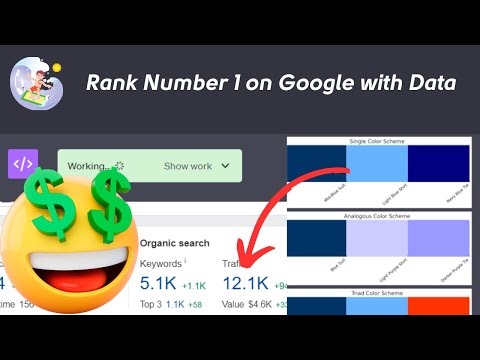
Before any operation, you need to understand the terrain. Competitive keyword research is your initial sweep. Think of it as identifying the enemy's communication channels. Tools like Ahrefs are your SIGINT (Signals Intelligence) platforms. They reveal what terms are being discussed, who is discussing them, and where the high-value engagements are. Identifying these keywords isn't just about SEO; it's about understanding the user's intent, their pain points, and their information needs. Deliver the precise intelligence they're looking for, and you gain their trust – and their clicks.

Intelligence Gathering: Analyzing Existing Content Assets

Once the primary targets (keywords) are identified, the next phase is to analyze the existing information landscape. Scour the search engine results pages (SERPs) for your target keywords. What content is already dominating? What are its strengths and weaknesses? This isn't about copying; it's about dissecting. Understand the structure, the depth, the angle, and the authoritativeness of the top-ranking pieces. Your objective is to identify gaps, areas where you can provide superior depth, a more unique perspective, or more actionable intelligence. This strategic analysis forms the blueprint for your own superior content.

Strategic Planning: Advanced Data Analysis for Content Outlines

This is where the real engineering begins. Forget manual brainstorming. We're talking about leveraging advanced analytical capabilities. Tools like "Advanced Data Analysis" (formerly Code Interpreter) become your strategic planning suite. Feed it existing data – competitor content, audience analytics, keyword performance metrics. It can process this information, identify patterns, and generate comprehensive content outlines. This process moves beyond guesswork, providing data-driven recommendations for topic structure, sub-sections, and even potential angles that haven't been fully exploited. It’s about moving from a reactive posture to a proactive, data-informed strategy.

Operational Execution: Crafting Captivating Visuals

In the digital realm, visuals are the first line of engagement. A wall of text is a vulnerability; it causes users to disengage. Your content needs to be architected for visual appeal. Advanced Data Analysis can be instrumental here, not just for text, but for aesthetics. It can assist in generating sophisticated color palettes, identifying harmonious combinations, and even visualizing data in compelling ways. This isn't about graphic design; it's about leveraging analytical tools to create an experience that is not only informative but also visually striking, leading to higher engagement and reduced bounce rates.

Custom Data Visualizations: Enhancing Depth and Clarity

Complex data requires clear communication. Custom data visualizations are your arsenal for this. They transform abstract numbers into understandable narratives. By using analytical tools, you can create bespoke charts, graphs, and infographics that perfectly illustrate your points. This level of detail and clarity provides immense value to your audience, positioning your content as authoritative and trustworthy. It’s the difference between telling them something and showing them, making your intelligence actionable and memorable.

Output: Generating Unique, High-Value Content

The ultimate objective is to produce content that stands out in a crowded digital space. By integrating competitive analysis, data-driven outlining, and compelling visualization, you're creating assets that are not only unique but also profoundly valuable. This strategy aims to attract organic traffic by genuinely answering user queries better than anyone else. It’s about establishing yourself as the definitive source, the authority that users and search engines alike will turn to. This applies equally to your website’s articles and your YouTube channel content, creating a synergistic effect across your digital footprint.

Strategic Advantage: Outranking the Competition

Dominance in the digital sphere is about delivering superior value. By meticulously following these steps – from granular keyword research to polished data visualization – you are building content that is inherently more comprehensive, more insightful, and more engaging than what your competitors offer. This isn't about exploiting algorithms; it's about understanding them by understanding user needs and serving them exceptionally well. The result is a climb up the search rankings, increased organic visibility, and a stronger connection with your target audience.

Monetization Protocols: Leveraging AdSense Strategically

Attracting traffic is only half the mission; converting that attention into revenue is the other. AdSense is a primary channel, but its effectiveness hinges on strategy, not just placement. High traffic volumes naturally increase potential AdSense earnings, but optimized placement is key to maximizing Click-Through Rates (CTR). Think of it as defensive positioning: place your revenue streams where they are visible and relevant, but never intrusive enough to compromise the user experience. A seamless integration means higher user satisfaction and, consequently, better monetization performance.

Call to Action: Directing User Flow

A well-crafted Call to Action (CTA) is the redirection command in your operational playbook. It guides your audience toward profitable engagement points. Whether it's promoting proprietary services, driving newsletter subscriptions, or funneling users to your YouTube channel, a clear CTA transforms passive readers into active participants. This directive approach is crucial for converting audience engagement into tangible business outcomes, building a loyal user base and driving sustained growth.

Channel Expansion: Promoting Your YouTube Operations

Your website and your YouTube channel should operate in concert, not in isolation. Actively promote your video content within your articles – use strategically placed links, embed relevant videos, and reference your channel. Encourage viewer engagement on YouTube; this cross-promotion not only boosts subscriber counts but enhances your overall brand authority and reach. Think of it as a unified front, leveraging each platform to strengthen the other.

Conclusion: The Architect of Digital Success

In the intricate architecture of the digital world, success is built on a foundation of efficient content creation, deep data analysis, and intelligent monetization strategies. The principles outlined here are not merely tactical suggestions; they are operational imperatives. By adhering to these disciplined methodologies, you can engineer significant growth in website traffic, amplify your AdSense revenue, and cultivate a thriving YouTube community. Crucially, remember that lasting success in this domain is forged through ethical and legally compliant practices. This is the blueprint for sustainable digital dominance.

The Contract: Architect Your Content Empire

Now, the challenge is yours. Take one of your existing blog posts or a competitor's top-ranking article. Using the principles of competitive keyword analysis and by simulating the use of advanced data analysis for outlining, generate a detailed content outline. Identify potential areas for custom data visualizations that would enhance the piece. Finally, propose specific, non-intrusive AdSense placements and a compelling Call to Action that aligns with the content's theme. Document your plan and prepare to execute.

Frequently Asked Questions

Q1: How can I ensure my keyword research truly identifies competitive opportunities?
Focus on keywords with high search volume but where the current top-ranking content is not exceptionally authoritative or comprehensive. Look for content gaps and user intent mismatches.
Q2: Is Advanced Data Analysis suitable for non-technical users?
While it requires some analytical thinking, tools like Advanced Data Analysis are designed to simplify complex data processing. Start with clear, specific prompts and iterate.
Q3: What are the best practices for placing AdSense ads without annoying users?
Place ads contextually within content, avoid excessive ad density, and ensure they don't obstruct primary content or navigation. Responsive ad units often perform well.
Q4: How can I effectively promote my YouTube channel from a blog post?
Embed relevant videos directly, include clear links in the text and sidebar, and mention your channel in the conclusion. Create dedicated content loops between your platforms.

ChatGPT on YouTube: Deconstructing the Faceless Monetization Playbook

The digital ether crackles with tales of AI transforming fortunes. Whispers of ChatGPT turning simple prompts into passive income streams have become a symphony for the ambitious. But behind the siren song of "making money online" lies a more complex architecture. This isn't about a get-rich-quick scheme; it's about understanding the leverage of AI in content creation and distribution. We're dissecting the strategy, not just presenting a shortcut.

Many dismiss Artificial Intelligence as mere digital theater, a transient trend. I was once among them. However, the reality is far more tangible. Tools like ChatGPT, freely accessible and remarkably potent, offer a clear pathway to monetize platforms like YouTube without ever revealing your identity. We're talking about potential earnings that can eclipse $5,000 monthly. Prepare for a deep dive into the mechanics.

The core of this strategy hinges on an often-overlooked aspect of digital content: automation and intelligent content generation. AI, in this context, becomes a powerful engine for overcoming common barriers to entry in the creator economy, primarily the demand for personal branding and consistent output.

Table of Contents

I. Understanding the AI Content Engine

At its heart, this method exploits the capability of Large Language Models (LLMs) like ChatGPT to generate coherent, engaging, and often informative text. This text can then be transformed into various forms of media, most notably video content for platforms like YouTube. The "faceless" aspect is critical; it removes the need for on-camera presence, expensive equipment, and the personal vulnerability that comes with vlogging. The process can be broken down into several key stages:

  • Idea Generation: Identifying evergreen or trending topics within a niche that can be explored through AI-generated scripts.
  • Content Scripting: Utilizing ChatGPT to draft scripts, outlines, or even detailed narratives based on specific prompts.
  • Voiceover Generation: Employing text-to-speech (TTS) software to create narration from the generated scripts.
  • Visual Assembly: Compiling stock footage, images, animations, and AI-generated visuals to accompany the voiceover.
  • Platform Optimization: Uploading and optimizing the video for YouTube's algorithm, focusing on titles, descriptions, and tags.

This systematic approach allows for a scalable content production pipeline. The efficiency gained by automating scriptwriting and, to a degree, voice and visuals, is where the potential for high volume and, consequently, significant income, lies.

II. Architecting Your Faceless YouTube Channel

Building a successful faceless channel requires more than just throwing AI-generated content at the wall. It demands strategic planning, much like fortifying a network against intrusion. Understanding your target audience within a chosen niche is paramount. Are you targeting educational content seekers, entertainment consumers, or those looking for specific information?

Niche Selection: Focus on areas where AI can genuinely add value without sacrificing authenticity. Topics like technology explainers, historical facts, book summaries, personal finance tips, or even curated lists of "top 10" can be effectively produced. Avoid niches that inherently require personal experience or emotional depth that AI struggles to replicate.

Branding: Even without a face, a channel needs a brand. This includes a distinct channel name, logo, consistent color schemes, and a recognizable intro/outro sequence. Tools like Canva and InVideo are instrumental here, offering templates and resources to create a professional look without advanced design skills.

"The network is not the internet. The network is a tool. Your mind is the real weapon." - Unknown

Content Pillars: Define core content categories that your channel will consistently produce. This helps in structuring your AI prompting and ensures a steady flow of related content, which YouTube's algorithm tends to favor.

III. Leveraging ChatGPT for Content Production

ChatGPT is not a magic wand; it's a sophisticated tool that requires skilled operation. Effective prompting is the key to unlocking its full potential. Think of it as crafting intricate exploit payloads – the precision of your input dictates the outcome.

Prompt Engineering: Instead of superficial prompts, delve into specifics. Provide context, desired tone, target audience, keywords to include, and even structural requirements (e.g., "write a 5-minute YouTube script about...")

  • Example Prompt for a Tech Explainer: "Write a YouTube script for a 7-minute video explaining the concept of blockchain technology to a beginner audience. The tone should be informative and slightly enthusiastic. Include analogies that simplify complex terms like 'distributed ledger' and 'cryptographic hash.' Ensure the script flows logically from introduction to conclusion, and suggest visual cues for each segment."

Iterative Refinement: The first draft from ChatGPT might not be perfect. Treat it as a baseline. Review, edit, and use follow-up prompts to refine the output. Ask it to expand on certain points, simplify language, or rephrase sections.

Script-to-Video Workflow: Once the script is finalized, integrate it with your chosen video creation tools. Services like InVideo can streamline this by offering templates that accept text inputs and automatically generate video sequences.

IV. Monetization Vectors and Traffic Acquisition

Earning potential on YouTube is multifaceted. For faceless channels leveraging AI, several streams are viable:

  • YouTube Partner Program (AdSense): The most direct method. Once eligible, your videos will serve ads, generating revenue based on views and engagement. High-volume content is key here.
  • Affiliate Marketing: This is where tools like InVideo, MorningFame, and voiceover services become lucrative. By recommending products and services used in your content creation process through affiliate links, you earn a commission on sales.
  • Merchandise: For channels with a strong niche following, selling branded merchandise can be a viable option.
  • Digital Products: Creating and selling your own courses or guides (like a "Faceless YouTube Mastery" course) directly addresses the audience's interest in replicating your success.

Traffic acquisition is driven by YouTube's algorithm. Strong SEO practices are crucial:

  • Keyword Research: Understand what your target audience is searching for. Tools like MorningFame can assist in identifying trending topics and optimizing titles.
  • Compelling Titles and Thumbnails: Even without a face, your video's title and thumbnail are the first point of contact. They need to be enticing and accurately represent the content.
  • Engagement Metrics: Watch time, audience retention, likes, and comments all signal to YouTube that your content is valuable.

V. Mitigation Strategies and Long-Term Sustainability

The reliance on AI brings unique challenges. YouTube's policies on AI-generated content are evolving. To ensure longevity and avoid potential demonetization or channel strikes, consider these defensive measures:

  • Add Human Value: Don't rely solely on raw AI output. Edit, fact-check, add your own unique insights, commentary, or analysis. Ensure there's a human touch that differentiates your content.
  • Transparency: While you might not show your face, consider acknowledging the use of AI tools in your video descriptions or intros. Honesty can build trust.
  • Diversify Income Streams: As mentioned, relying on AdSense alone is risky. Actively pursue affiliate marketing, digital product sales, or other revenue channels.
  • Stay Updated on Policies: Regularly review YouTube's guidelines regarding AI-generated content and automated channels. Adapt your strategy accordingly.
  • Quality Control: Implement rigorous quality checks. Poorly scripted, awkwardly narrated, or visually unappealing content will fail regardless of AI's involvement.

A crucial aspect is understanding that AI is a tool to *enhance* your creativity and efficiency, not replace it entirely. The "human element" in editing, curation, strategic prompting, and audience engagement is what provides the unique value and builds a sustainable channel.

VI. Engineer's Verdict: AI Content Channels

From an engineering perspective, AI content channels represent a fascinating application of LLMs for scalable content creation. They offer a legitimate pathway for individuals to enter the creator economy with minimal barriers to entry, provided they understand the underlying mechanics.

  • Pros: High scalability, low barrier to entry (cost and persona), efficient content production, access to diverse niches.
  • Cons: Dependence on AI tool evolution and platform policies, potential for generic content, ethical gray areas, requires strong editing and strategic oversight.

Verdict: Viable for generating ancillary income and learning content strategy, especially for those hesitant to be on camera. However, achieving substantial, long-term, reliable income requires a strategic approach that adds significant human value beyond raw AI output.

VII. Operator/Analyst Arsenal

To execute this strategy effectively, a curated set of tools is indispensable:

  • AI Scriptwriting: ChatGPT (or similar LLMs like Claude, Bard).
  • Video Editing & Assembly: InVideo (for template-based creation), Adobe Premiere Pro, Final Cut Pro (for more advanced control).
  • Text-to-Speech (Voiceover): Murf.ai, Speechelo, Amazon Polly, Google Cloud Text-to-Speech.
  • Stock Footage & Graphics: Pexels, Pixabay, Unsplash (free options), Storyblocks, Envato Elements (premium).
  • Channel Growth & SEO: MorningFame, TubeBuddy, VidIQ.
  • Design Tools: Canva, Adobe Photoshop.
  • Learning Platforms: Online courses on YouTube SEO, content strategy, and AI prompting. Consider certifications in digital marketing or content creation if pursuing this professionally.

VIII. Defensive Workshop: Optimizing AI-Generated Content

To ensure your AI-generated content thrives on platforms like YouTube and adheres to their guidelines, focus on adding layers of human value and distinctiveness. This isn't about making the AI write better; it's about how *you* use and refine its output.

  1. Script Analysis & Enhancement:
    • Review the raw AI script for factual accuracy. Cross-reference any statistics or claims with reputable sources.
    • Identify sections that feel generic or repetitive. Rewrite these parts in your own words or prompt the AI for alternative phrasings.
    • Inject personality. Add personal anecdotes (if appropriate for the niche), nuanced opinions, or rhetorical questions that engage the viewer.
    • Structure for retention: Ensure smooth transitions, clear introductions, and compelling conclusions. Break down complex ideas into digestible segments.
  2. Voiceover Nuance:
    • Experiment with different AI voice generators to find one that best suits your channel's tone.
    • Adjust pacing, tone, and emphasis in the TTS settings where possible.
    • Consider recording short, transitional audio clips yourself (even a simple "And now for something completely different...") to add a human touch.
  3. Visual Storytelling & Editing:
    • Don't just use random stock footage. Select visuals that directly complement or illustrate the points being made in the script.
    • Incorporate on-screen text, graphics, or animations to highlight key information or add visual interest. Tools like Canva can be integrated into this workflow.
    • Edit for pacing. Cut out any unnecessary pauses or filler words that might have crept into the AI generation or TTS output.
  4. Metadata Optimization:
    • Craft unique, keyword-rich titles and descriptions. Avoid simply copying sections of the AI-generated script.
    • Develop custom thumbnails that are visually appealing and clearly indicate the video's topic.
    • Utilize relevant tags that accurately reflect your content and target audience searches.

IX. Frequently Asked Questions

Can I really make $5,000+ per month with this?

It's an aspirational figure. While possible with significant volume, consistent quality, effective monetization, and strategic growth, it's not guaranteed. Your results will depend heavily on your niche, execution, and market conditions.

Will YouTube demonetize AI-generated content?

YouTube's stance is evolving. They prioritize content that provides value to viewers. Purely AI-generated content without significant human oversight or value-add is at higher risk. Transforming and enhancing AI output is key.

What are the best niches for faceless AI channels?

Educational content, technology explainers, history, trivia, listicles (e.g., "Top 10..."), book summaries, and general knowledge topics often perform well, as they rely on information rather than personal narrative.

How do I avoid sounding robotic with AI voiceovers?

Experiment with different AI voice providers, adjust parameters for tone and pacing, and consider manual editing to add natural inflections. Some creators use AI for narration and then layer in their own occasional ad-libs.

X. The Contract: Auditing Your AI Content Strategy

The digital landscape is a battlefield of attention. You've deployed AI as a potent weapon, but is your strategy robust enough to withstand the evolving policies of platforms and the competition for audience engagement? Your contract is with your audience, and it demands authenticity, value, and quality, even when the engine is artificial.

Your Challenge: Select one of your AI-generated scripts and apply the techniques from the "Defensive Workshop." Go beyond simple generation. Enhance the script with unique insights, refine the narrative flow, and identify specific visual cues that elevate it. Then, outline a plan for how you would use a tool like InVideo or Premiere Pro to assemble this enhanced script into a compelling video, ensuring it adds significant human value. Document your process and be prepared to share your findings (or the enhanced script/plan) in the comments.

Now, it's your turn. How are you hardening your AI content against the evolving threats of the platform ecosystem? Share your strategies and insights below.