{/* Google tag (gtag.js) */} SecTemple: hacking, threat hunting, pentesting y Ciberseguridad
Showing posts with label AI tools. Show all posts

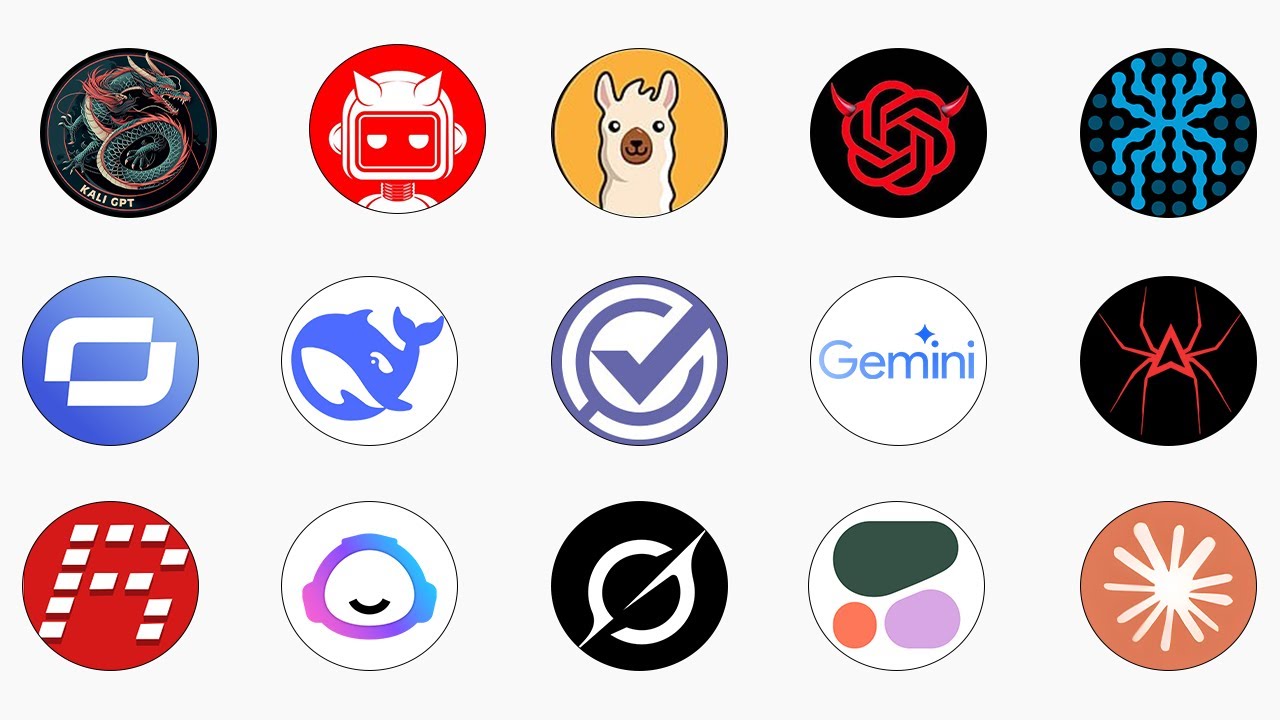
Dominating the Digital Frontier: An Exhaustive Blueprint of AI-Powered Hacking Tools


Introduction: The AI Revolution in Cyber Warfare

The landscape of cybersecurity and offensive operations is undergoing a seismic shift. Artificial intelligence (AI) is not merely an incremental improvement; it's a paradigm-altering force. In mere minutes, a skilled operator can now leverage AI to automate tasks that once required hours, days, or even weeks of manual effort. From sophisticated reconnaissance to the generation of novel exploits and the execution of highly personalized social engineering campaigns, AI-powered tools are democratizing advanced hacking capabilities. This dossier is your comprehensive technical blueprint, dissecting the most impactful AI tools currently wielded by both ethical hackers and malicious actors. We will move beyond the hype to deliver actionable intelligence, code examples, and strategic insights. This is not a superficial overview; it's the definitive guide to understanding and leveraging AI in the modern cyber domain. For those seeking to stay ahead, understanding these tools is no longer optional—it's a prerequisite for survival and dominance.

AI Tools for Ethical Hacking & Bug Bounty Hunting

The integration of AI into ethical hacking and bug bounty programs represents a significant leap in efficiency and effectiveness. AI algorithms can sift through vast datasets, identify subtle anomalies, and predict potential vulnerabilities with a speed and accuracy previously unattainable. These tools augment the capabilities of human analysts, allowing them to focus on more complex, strategic aspects of security assessments.

Key applications include:

  • Vulnerability Scanning & Analysis: AI can enhance traditional vulnerability scanners by learning from past exploits and identifying zero-day vulnerabilities based on code patterns and behavioral analysis. Tools can predict the likelihood of a vulnerability being exploitable and prioritize patching efforts.
  • Automated Penetration Testing: AI can orchestrate entire penetration testing workflows, from initial reconnaissance to exploitation and post-exploitation pivoting. This allows for more frequent and comprehensive testing of complex infrastructures.
  • Threat Intelligence: AI algorithms can process massive volumes of data from various sources (dark web forums, social media, security feeds) to identify emerging threats, attacker tactics, techniques, and procedures (TTPs), and potential targets.
  • Phishing Detection & Prevention: AI models can analyze email content, headers, and sender reputations with greater accuracy than traditional filters, identifying sophisticated phishing attempts that evade human scrutiny.
  • Code Review & Security Auditing: AI can assist developers and security auditors by automatically identifying insecure coding practices, potential backdoors, and logical flaws in source code.

For bug bounty hunters, AI can accelerate the process of finding and reporting vulnerabilities, leading to higher success rates and increased rewards. Understanding how to prompt and utilize these AI assistants is becoming a crucial skill.

Large Language Models in Action: ChatGPT, Gemini & Open-Source

Large Language Models (LLMs) like OpenAI's ChatGPT and Google's Gemini have emerged as powerful general-purpose tools with significant implications for cybersecurity. Their ability to understand, generate, and manipulate human language and code opens up new avenues for both offensive and defensive operations.

ChatGPT & Gemini: Capabilities and Limitations

Both ChatGPT and Gemini, when properly prompted, can:

  • Generate Code Snippets: Assist in writing scripts for automation, exploit development, or data analysis.
  • Explain Complex Concepts: Break down technical jargon or complex algorithms.
  • Draft Communications: Create phishing emails, social engineering personas, or technical reports.
  • Analyze Log Files: Identify suspicious activities or patterns within large log datasets.
  • Brainstorm Attack Vectors: Suggest potential weaknesses based on a given system description.

However, users must be aware of their limitations. LLMs can hallucinate, produce inaccurate or biased information, and may have built-in safety mechanisms that prevent them from generating overtly malicious code. The true power lies in crafting precise prompts and iterating on outputs.

Open-Source LLMs: Power and Flexibility

The rise of open-source LLMs (e.g., Llama, Mistral, Falcon) offers unparalleled flexibility. These models can be fine-tuned on specific datasets, allowing for specialized applications in cybersecurity:

  • Custom Malware Analysis: Fine-tuning an LLM on a dataset of known malware families can enable it to identify characteristics of new, unseen malware.
  • Domain-Specific Threat Hunting: Training an LLM on industry-specific threat intelligence can help identify subtle, context-aware threats.
  • Private Security Audits: Deploying an open-source LLM locally ensures data privacy, crucial for sensitive security assessments.

To effectively utilize these models, a foundational understanding of prompt engineering and potentially model fine-tuning is required. For example, a prompt to generate a Python script for port scanning might look like this:


# Python script for basic port scanning using sockets
import socket

def scan_port(ip, port): try: sock = socket.socket(socket.AF_INET, socket.SOCK_STREAM) sock.settimeout(1) result = sock.connect_ex((ip, port)) if result == 0: print(f"Port {port}: Open") else: print(f"Port {port}: Closed") sock.close() except socket.error: print(f"Could not connect to {ip}:{port}")

target_ip = "192.168.1.1" # Replace with target IP common_ports = [21, 22, 80, 443, 3389, 8080] # Example common ports

print(f"Scanning {target_ip}...") for port in common_ports: scan_port(target_ip, port)

Prompting ChatGPT or Gemini for this might involve:

"Generate a Python script using the 'socket' library to scan a list of common TCP ports (21, 22, 80, 443, 3389, 8080) on a given IP address. The script should indicate if a port is open or closed. Include basic error handling for connection issues and a timeout of 1 second."

Reconnaissance Automation with AI Prompts

Reconnaissance (recon) is the foundational phase of any security assessment. AI, particularly LLMs, can significantly accelerate and deepen this process. Effective prompt engineering is key to unlocking AI's potential in automating recon tasks.

Techniques for AI-Driven Recon

  • Subdomain Enumeration: Instead of relying solely on traditional tools like Sublist3r or Amass, AI can be prompted to generate creative search queries for search engines (Google Dorks, Shodan queries) or to analyze DNS records for patterns indicative of subdomains.
  • Information Gathering from OSINT: AI can process profiles from social media, public code repositories (GitHub), and company websites to extract valuable information such as employee names, email formats, technologies used, and potential credentials.
  • Vulnerability Identification in Public Data: AI can be tasked with scanning public documentation, API specifications, and code snippets for known vulnerabilities or insecure configurations.

Example Prompt for Recon Automation

Let's say you're targeting a company. A sophisticated AI prompt for reconnaissance might be:

"Act as an expert penetration tester. Given the target company 'ExampleCorp' (website: examplecorp.com), identify potential attack surfaces. Provide a list of potential subdomains, the primary technologies used on their website (frontend, backend, CMS, cloud provider), potential employee email formats, and any publicly accessible sensitive information or code repositories associated with the company. Utilize creative search queries for search engines and specialized platforms like Shodan and GitHub. Prioritize information that could lead to an initial foothold."

The AI's output could then guide the manual efforts or feed into other automated tools.

Malware Creation, Phishing, and Code Generation

This is where the ethical considerations become paramount. While AI can be used to generate sophisticated malware, phishing kits, and exploit code, its application in ethical hacking is to understand these threats and develop robust defenses.

Understanding AI-Assisted Malware Development

AI can assist in:

  • Polymorphic Malware: Generating variants of existing malware that evade signature-based detection.
  • Payload Generation: Crafting custom payloads for specific targets or exploit scenarios.
  • Evasion Techniques: Suggesting methods to bypass antivirus software or intrusion detection systems.

Ethical Use Case: Ethical hackers can use AI to generate sample malware (in a controlled, isolated environment) to test their own detection capabilities, train security analysts, or develop better defenses against AI-generated threats.

AI in Phishing and Social Engineering

LLMs excel at mimicking human communication. This makes them potent tools for crafting highly convincing phishing emails and social engineering messages:

  • Personalized Spear-Phishing: AI can analyze target profiles to create emails that appear to be from trusted sources, incorporating specific details to increase victim engagement.
  • Dynamic Phishing Kits: AI can generate constantly changing phishing website templates and communication flows to adapt to detection efforts.

Ethical Use Case: Security teams can use AI to generate realistic phishing simulations to test employee awareness and train them to identify and report malicious communications.

AI for Exploit Code Generation

While complex exploit development still requires significant human expertise, AI can assist in:

  • Fuzzing: Automating the process of finding vulnerabilities by feeding malformed inputs to applications.
  • Boilerplate Code: Generating common code structures for exploit frameworks (e.g., Metasploit modules).
  • Code Obfuscation: Making exploit code harder to analyze.

Ethical Use Case: Researchers can use AI to discover vulnerabilities in software they have permission to test, accelerating the bug bounty process and contributing to overall system security.

Advertencia Ética: La siguiente técnica debe ser utilizada únicamente en entornos controlados y con autorización explícita. Su uso malintencionado es ilegal y puede tener consecuencias legales graves.

The Future of Hacking: Staying Ahead of the Curve

The trajectory is clear: AI will become increasingly integrated into both offensive and defensive cybersecurity operations. The future will likely see AI-powered agents capable of autonomous hacking, sophisticated predictive threat modeling, and real-time adaptive defense mechanisms.

Key Trends to Watch

  • Autonomous Agents: AI agents that can independently identify vulnerabilities, plan attacks, and execute them with minimal human oversight.
  • AI vs. AI Warfare: An escalating arms race where AI systems are used to defend networks against AI-powered attacks.
  • Democratization of Advanced Attacks: AI lowering the barrier to entry for complex attacks, making sophisticated techniques accessible to a wider range of actors.
  • AI-Driven Defense: Advanced AI systems for real-time threat detection, automated incident response, and proactive vulnerability management.

How to Stay Ahead

Continuous learning and adaptation are critical:

  • Master Prompt Engineering: Develop advanced skills in crafting prompts to elicit desired outputs from AI models.
  • Understand AI Model Architectures: Gain a basic understanding of how different AI models work (e.g., transformers, LLMs) to better leverage their capabilities and limitations.
  • Focus on Fundamentals: Core cybersecurity principles—networking, operating systems, cryptography, secure coding—remain essential. AI is a tool, not a replacement for expertise.
  • Ethical Hacking Proficiency: Hone your skills in penetration testing, vulnerability analysis, and secure development practices.
  • Community Engagement: Stay connected with peers, follow research, and participate in discussions (like joining our Discord).

The Hacker's Arsenal: Essential Tools and Resources

To effectively navigate the evolving landscape of AI-powered hacking, a robust toolkit and a commitment to continuous learning are indispensable. Below is a curated list of resources and tools that form the bedrock of an elite operative's capabilities.

  • Core Hacking Distributions:
    • Kali Linux: The industry standard for penetration testing, packed with hundreds of security tools.
    • Parrot Security OS: A comprehensive security-focused OS offering development tools and privacy features.
  • AI & LLM Platforms:
    • OpenAI API (ChatGPT): For programmatic access to cutting-edge language models.
    • Google AI (Gemini API): Access to Google's powerful multimodal AI models.
    • Hugging Face: The central hub for open-source AI models, datasets, and tools. Explore models like Llama, Mistral, and Falcon.
  • Reconnaissance Tools:
    • Amass: Powerful subdomain enumeration tool.
    • Subfinder: Fast and passive subdomain enumeration.
    • Shodan: Search engine for Internet-connected devices.
    • Google Dorks: Advanced search operators for Google.
  • Exploitation Frameworks:
    • Metasploit Framework: The de facto standard for developing and executing exploits.
    • Cobalt Strike: Advanced adversary simulation platform (commercial).
  • Learning Resources:
    • TryHackMe & Hack The Box: Interactive platforms for practicing cybersecurity skills.
    • OWASP: The Open Web Application Security Project provides extensive resources on web security vulnerabilities.
    • CVE Databases (NVD, MITRE): Essential for tracking known vulnerabilities.
    • Books: "The Hacker Playbook" series by Peter Kim, "Penetration Testing: A Hands-On Introduction to Hacking" by Georgia Weidman.
  • Cloud Security Resources:
    • AWS Security Best Practices: Critical for understanding cloud infrastructure security.
    • Azure Security Documentation: Similar resources for Microsoft's cloud platform.
    • Google Cloud Security: Documentation for securing GCP environments.

Staying updated requires constant exploration. Regularly check repositories like GitHub, security news outlets, and researcher blogs for the latest tools and techniques.

AI Hacking Tools vs. Traditional Methods: A Comparative Analysis

The advent of AI in hacking presents a critical juncture: how do these new tools stack up against established, traditional methodologies? Understanding their strengths, weaknesses, and optimal use cases is vital for any serious practitioner.

Speed and Scale

  • AI: Excels at processing vast amounts of data and automating repetitive tasks at unprecedented speed. Can identify patterns humans might miss in massive datasets. Ideal for initial recon, large-scale vulnerability scanning, and brute-force operations.
  • Traditional: Often involves more manual, deliberate processes. Might be slower but can offer deeper, more nuanced understanding in specific areas. Requires significant skilled human effort for large-scale operations.

Complexity and Nuance

  • AI: Can struggle with highly complex, context-dependent logical flaws or unique business logic vulnerabilities that deviate from learned patterns. Outputs can sometimes be inaccurate or require significant human validation ("hallucinations").
  • Traditional: Human analysts excel at understanding intricate system interactions, business logic, and creative exploitation techniques that AI may not be programmed to discover. Deep analysis of custom applications often still requires manual expertise.

Cost and Accessibility

  • AI: Can be expensive via APIs (like OpenAI). Open-source models require significant computational resources and expertise to deploy and fine-tune. However, once set up, they can automate tasks that would require multiple expensive human resources.
  • Traditional: Tools are often open-source or have one-time purchase costs. The primary cost is skilled human labor, which can be very high.

Learning Curve

  • AI: Requires strong prompt engineering skills and an understanding of AI limitations. Fine-tuning requires machine learning expertise. However, basic usage can be relatively straightforward for tasks like code generation.
  • Traditional: Requires deep technical knowledge of networking, operating systems, specific application vulnerabilities, and exploit development. The learning curve is steep and continuous.

Use Case Synergy

The most effective approach is often a hybrid one:

  • AI for Triage & Initial Assessment: Use AI to automate initial reconnaissance, gather broad intelligence, and flag potential areas of interest.
  • Human Expertise for Deep Dive: Employ skilled ethical hackers to analyze the findings from AI tools, investigate complex vulnerabilities, understand business logic flaws, and perform creative exploitation.
  • AI for Defense: Implement AI-powered security solutions (SIEM, EDR, NDR) to detect threats identified by both human analysis and AI-driven attacks.

AI should be viewed as a powerful force multiplier for human expertise, not a complete replacement. The "AI Hacking Tools" are best understood as advanced assistants within a broader ethical hacking framework.

Engineer's Verdict: The Double-Edged Sword of AI in Hacking

As an engineer who has audited critical systems and navigated the digital trenches, I see AI in hacking as the ultimate double-edged sword. On one side, it's an unprecedented force multiplier for defense. AI can automate threat detection, analyze vulnerabilities at machine speed, and even predict potential attack vectors before they materialize. It allows defenders to punch above their weight, providing the agility needed to counter increasingly sophisticated threats.

On the other side, it's a dangerous democratizer for offense. Malicious actors equipped with advanced AI can automate reconnaissance, craft highly convincing phishing campaigns, and generate polymorphic malware faster than ever. The barrier to entry for launching significant cyberattacks is lowering, shifting the balance of power. Tools that were once the exclusive domain of nation-states or highly skilled criminal organizations are becoming accessible. This necessitates a fundamental shift in our defensive strategies, moving from reactive measures to proactive, AI-driven intelligence and automated response.

The critical takeaway is that AI amplifies existing capabilities. For the ethical hacker, it means enhanced efficiency and deeper insights. For the malicious actor, it means increased reach and reduced effort. The responsibility lies with us – the practitioners, developers, and security professionals – to ensure this powerful technology is wielded ethically and effectively for defense, while simultaneously understanding and mitigating its offensive potential. Ignoring AI is not an option; mastering its application for defense is the imperative.

Frequently Asked Questions

Q1: Can AI completely replace human hackers?

A1: No. While AI can automate many tasks and significantly augment capabilities, human creativity, strategic thinking, and the ability to understand complex business logic are still crucial for advanced hacking and defense. AI is a powerful tool, but human expertise remains indispensable.

Q2: Is it legal to use AI tools for security testing?

A2: Using AI tools for security testing is legal only when performed on systems you own or have explicit, written permission to test. Unauthorized access or testing using any tool, including AI, is illegal and carries severe penalties.

Q3: How can I learn to use AI for ethical hacking effectively?

A3: Focus on prompt engineering, understand the capabilities and limitations of different AI models (like ChatGPT, Gemini, or open-source LLMs), and practice in controlled environments (e.g., platforms like TryHackMe, Hack The Box, or virtual labs). Prioritize learning the fundamentals of cybersecurity.

Q4: What are the biggest risks of AI in hacking?

A4: The biggest risks include the democratization of advanced attack capabilities, the potential for AI-generated malware to evade detection, highly convincing AI-powered phishing and social engineering attacks, and the escalating arms race between AI-driven offense and defense.

Q5: Where can I find reliable information about new AI hacking tools?

A5: Follow reputable cybersecurity researchers and organizations, subscribe to security news feeds, participate in hacker communities (like our Discord), and explore platforms like GitHub for open-source projects. Continuous learning is key.

About The cha0smagick

The cha0smagick is a seasoned digital operative, a polymath in technology with deep expertise forged in the unforgiving digital trenches. Operating at the intersection of elite engineering and ethical hacking, their insights are shaped by years of dissecting complex systems and architecting robust digital defenses. With a pragmatic, no-nonsense approach, The cha0smagick transforms intricate technical knowledge into actionable blueprints and definitive guides, illuminating the path for fellow operatives in the ever-evolving cyber domain.

Mission Debrief: Your Next Steps

You've absorbed the intelligence. Now, it's time to operationalize it. The AI revolution in hacking is not a distant future; it's the present reality.

Your Mission: Execute, Analyze, and Innovate

This dossier has equipped you with the foundational knowledge. The next phase is active engagement:

  • Experiment with Prompts: Take the example prompts and adapt them. Test different phrasing, explore edge cases, and see how AI models respond. Document your findings – this is crucial intelligence.
  • Set Up a Lab: If you haven't already, establish a secure, isolated lab environment. Experiment with open-source LLMs, practice reconnaissance techniques, and *responsibly* test the security implications of AI-generated code. Your own Discord server is a prime environment for collaborative learning and testing.
  • Integrate AI into Your Workflow: Identify one repetitive task in your current security workflow and explore how an AI assistant could automate or accelerate it. Start small, measure the impact, and scale up.
  • Stay Ahead of the Curve: Dedicate time each week to research new AI tools, techniques, and vulnerabilities. Follow key researchers and join active communities. The threat landscape evolves daily.

Debriefing the Mission

The digital frontier is constantly shifting. Mastery requires not just knowledge, but relentless application and adaptation. Share your insights, your challenges, and your breakthroughs. Engage with the community. Your input fuels the collective intelligence that keeps us one step ahead.

What AI tool or technique discussed here surprised you the most? Did you encounter any limitations or unexpected capabilities when experimenting? Share your findings and questions in the comments below. Your debriefing is essential for the next mission briefing.


For those looking to secure their digital assets and explore the burgeoning world of decentralized finance, integrating strategic platforms is key. Consider diversifying your portfolio and exploring opportunities within the digital asset space. You can start by opening an account on Binance, a leading global platform for cryptocurrency trading and services.

Trade on Binance: Sign up for Binance today!

Dominating Gemini CLI with Kali Linux 2025.3: The Definitive Blueprint for AI-Powered Ethical Hacking


Mission Briefing: The AI Revolution in Cybersecurity

The landscape of cybersecurity is in constant flux. As threats evolve, so must our defenses and offensive capabilities. The integration of Artificial Intelligence into the toolkit of ethical hackers represents a paradigm shift. Kali Linux 2025.3, a cornerstone for security professionals, has now embraced this evolution with the native integration of the Gemini Command Line Interface (CLI). This isn't just an update; it's a strategic upgrade that empowers operatives with unprecedented AI-driven capabilities. Forget manual enumeration and brute-force scanning; imagine AI-powered reconnaissance that learns and adapts, automated vulnerability identification that predicts exploitability, and real-time report generation that streamlines the entire penetration testing lifecycle. This dossier is your blueprint for mastering this potent combination.

Legion Acquisition: Kali Linux 2025.3 Installation & Setup

Before we can deploy advanced AI tools, we need a solid foundation. Kali Linux 2025.3 is the latest iteration of the industry-standard penetration testing distribution. For new operatives, the installation process is paramount. Ensure you download the ISO image directly from the official Kali Linux website to avoid compromised versions. The installation can be performed on bare metal, within a virtual machine (VM) using VirtualBox or VMware, or even through Windows Subsystem for Linux (WSL).

Key Steps for Installation:

  • Download ISO: Obtain the latest 64-bit installer image.
  • Bootable Media: Create a bootable USB drive using tools like Rufus or Etcher, or configure your VM to boot from the ISO.
  • Installation Wizard: Follow the on-screen prompts. Opt for the graphical install for ease of use. Key decisions include disk partitioning (use guided partitioning for VMs or a dedicated drive for bare-metal installations) and setting up your user credentials.
  • Network Configuration: Ensure your network interfaces are correctly configured during setup or immediately after the first boot.
  • Post-Installation Updates: Crucially, after the initial installation, update your system to ensure all packages, including security tools and the kernel, are at their latest stable versions. Open a terminal and execute:
    
    sudo apt update && sudo apt full-upgrade -y
        

By ensuring your Kali Linux 2025.3 environment is pristine and fully updated, you lay the groundwork for seamless integration of cutting-edge tools like Gemini CLI.

Arsenal Deployment: Gemini CLI Installation & Configuration

Kali Linux 2025.3 features Gemini CLI integration out-of-the-box, simplifying deployment significantly. If, for any reason, it's not present or you are working with a minimal installation, the process is straightforward.

Installation Commands:


# Update package lists
sudo apt update

# Install Gemini CLI (package name might vary slightly; check Kali documentation if this fails) sudo apt install gemini-cli -y

# Verify installation gemini --version

Once installed, the next critical step is API integration. Gemini CLI, like most advanced AI tools, requires access to underlying AI models, typically via an API key. For Gemini, this would be a Google AI API key.

API Key Configuration:

  1. Obtain API Key: Navigate to the Google AI MakerSuite (or the relevant Google Cloud AI platform console) and generate an API key. Treat this key like a password; do not share it.
  2. Set Environment Variable: The most secure method is to set it as an environment variable. Open your shell configuration file (e.g., ~/.bashrc or ~/.zshrc) and add the following line:
    
    export GOOGLE_API_KEY='YOUR_GENERATED_API_KEY'
        
    Replace 'YOUR_GENERATED_API_KEY' with your actual key.
  3. Apply Changes: Source the file to apply the changes immediately or open a new terminal session:
    
    source ~/.bashrc  # Or source ~/.zshrc
        
  4. Verification: You can test the configuration by running a simple Gemini CLI command that requires API access.

Cognitive Warfare: AI Commands for Ethical Hacking

This is where the true power unlocks. Gemini CLI transforms mundane tasks into intelligent operations. Instead of manually crafting search queries or analyzing network traffic byte-by-byte, you can leverage AI to do the heavy lifting.

Example: AI-Powered Reconnaissance

Imagine needing to gather information about a target domain. Traditional methods involve tools like nmap, whois, sublist3r, and OSINT queries. Gemini CLI can synthesize this.


# Example: Ask Gemini CLI to perform initial reconnaissance on example.com
gemini ask "Perform OSINT reconnaissance on example.com. Include subdomain enumeration, open ports, and known technologies."

The AI can then:

  • Query public databases for domain registration information.
  • Utilize search engines and specialized OSINT platforms to find related information.
  • Potentially integrate with other CLI tools (if configured) or its own knowledge base to identify common subdomains and default configurations.
  • Analyze the findings and present a summarized report directly in your terminal.

This drastically reduces the time spent on the initial information gathering phase, allowing you to focus on deeper analysis and exploitation.

Advanced Operations: Penetration Testing with AI

Beyond reconnaissance, Gemini CLI can assist in the vulnerability analysis and exploitation phases. While it won't replace specialized tools like Metasploit for complex exploits, it can significantly augment your workflow.

Automated Vulnerability Scanning Augmentation:

While Kali Linux comes with tools like Nessus or OpenVAS, Gemini CLI can act as an intelligent layer on top. You can feed scan results to the AI for analysis or prompt it to identify potential weaknesses based on discovered services.


# Example: Analyze Nmap scan results for potential vulnerabilities
# Assuming 'nmap_scan_results.txt' contains output from nmap -sV -sC target_ip

gemini ask "Analyze the following Nmap output for potential vulnerabilities. Focus on outdated software versions and common misconfigurations: [Paste Nmap Output Here]"

The AI can:

  • Identify services and versions reported by Nmap.
  • Cross-reference these versions with known CVE databases (implicitly or explicitly, depending on its training).
  • Suggest potential attack vectors or known exploits for identified vulnerabilities.
  • Prioritize findings based on severity.

This allows for a more efficient and targeted approach to penetration testing, moving beyond simple vulnerability identification to intelligent risk assessment.

Automated Debriefing: AI-Generated Reports from Scans

One of the most time-consuming aspects of penetration testing is report generation. Gemini CLI, particularly in conjunction with scan outputs, can automate this process, providing draft reports that can be refined.

Generating Scan Reports:

After running various tools (Nmap, Nessus, custom scripts), you can feed the aggregated data to Gemini CLI to compile a structured report.


# Example: Generate a draft executive summary based on multiple scan findings
gemini ask "Compile an executive summary for a penetration test report based on the following findings: [Paste summarized findings from Nmap, vulnerability scanner, etc.]"

The AI can:

  • Structure the report with sections like Executive Summary, Technical Findings, and Recommendations.
  • Translate technical jargon into business-friendly language for the executive summary.
  • Suggest remediation steps based on identified vulnerabilities.

This capability alone can save hours of manual report writing, accelerating the feedback loop to the client or stakeholders.

Operative Profile: Who Needs This Intelligence

This integration is not just for the elite few. It is essential intelligence for:

  • Ethical Hackers: To enhance their offensive capabilities and efficiency.
  • Cybersecurity Professionals: To stay ahead of evolving threats and integrate AI into defensive strategies.
  • Penetration Testers: To streamline their assessment process and provide more comprehensive reports.
  • Security Researchers: To accelerate the discovery and analysis of new vulnerabilities.
  • Students of Offensive Security: To learn and experiment with the latest AI-driven security tools in a controlled environment.

Operational Integrity: The Hacker's Mandate

Disclaimer: The following techniques and tools are intended solely for educational purposes and authorized ethical hacking training within controlled, permissioned environments. Unauthorized access or testing of systems, networks, or websites is illegal and carries severe legal consequences. Always ensure you have explicit, written permission before conducting any security testing.

Mastering these tools comes with a profound responsibility. The power of AI in cybersecurity is a double-edged sword. As ethical hackers, our duty is to use these capabilities to strengthen defenses, identify weaknesses before malicious actors do, and operate with the highest ethical standards. Misuse of Gemini CLI or Kali Linux for illegal activities will not be tolerated and reflects poorly on the entire cybersecurity community.

Comparative Analysis: Gemini CLI vs. Traditional Tools

Gemini CLI is not designed to wholly replace traditional penetration testing tools like Nmap, Burp Suite, Metasploit, or Nessus. Instead, it acts as a powerful intelligence augmentation layer.

  • Gemini CLI Strengths: Natural language processing for intuitive command execution, rapid information synthesis from vast datasets, potential for predictive analysis and automated reporting. Excellent for OSINT, initial analysis, and report drafting.
  • Traditional Tools Strengths: Highly specialized for specific tasks (network scanning, web application proxying, exploit execution, in-depth vulnerability scanning). Mature, extensively documented, and often offer granular control essential for deep dives.

When to use Gemini CLI: For quick recon, summarizing findings, generating draft reports, exploring hypothetical attack scenarios using natural language prompts, and augmenting the workflow of other tools. AI in Cybersecurity is the future, but it complements, not supplants, established methodologies.

When to rely on Traditional Tools: For precise network mapping, complex web vulnerability exploitation, detailed protocol analysis, advanced exploit development, and when deep, granular control is required. For instance, performing a detailed SQL injection test is best done with Burp Suite's Intruder or Repeater.

The Engineer's Verdict: Is AI the Future of Hacking?

The integration of AI like Gemini CLI into platforms like Kali Linux 2025.3 is not a fleeting trend; it is a fundamental evolution. AI offers the potential to automate tedious tasks, analyze data at speeds and scales impossible for humans, and identify complex patterns that might otherwise be missed. For ethical hackers, this means increased efficiency, broader scope, and deeper insights. However, AI is a tool, not a replacement for critical thinking, creativity, and ethical judgment. The most effective security professionals will be those who can seamlessly integrate AI into their existing skill set, leveraging its power while maintaining human oversight and ethical control.

Frequently Asked Questions

1. Do I need a Google Cloud account to use Gemini CLI with Kali Linux?

Yes, you will need a Google AI API key, which is typically obtained through Google Cloud or MakerSuite. This key is essential for authenticating your requests to the Gemini models.

2. Can Gemini CLI automatically find exploits?

Gemini CLI can analyze scan results and suggest potential vulnerabilities based on known patterns and databases. While it can point you towards potential exploits, it typically does not automatically execute complex, zero-day exploits. Specialized tools in frameworks like Metasploit are still required for that level of automated exploitation.

3. Is Gemini CLI free to use on Kali Linux?

The Gemini CLI tool itself is likely free to install on Kali Linux. However, the underlying AI models accessed via the API key may incur costs based on usage, depending on Google's pricing structure for their AI services. Check Google's AI platform pricing for details.

4. How does Gemini CLI differ from other AI security tools?

Gemini CLI leverages Google's powerful Gemini models, offering strong natural language understanding and generation capabilities directly within the command line. Its integration into Kali Linux makes it readily accessible for security tasks. Other AI security tools might focus on specific areas like malware analysis, network intrusion detection, or threat intelligence platforms, each with its unique strengths.

About The Cha0smagick

The Cha0smagick is a seasoned digital operative, a polymath in technology, and a leading architect in the field of cybersecurity. With years spent navigating the complex world of digital defense and offense, The Cha0smagick brings a pragmatic, no-nonsense approach to dissecting intricate systems and emerging technologies. This dossier is a product of rigorous field experience and a relentless pursuit of knowledge, designed to equip operatives with the actionable intelligence needed to succeed in the modern digital battlefield.

Mission Debrief: Your Next Steps

You have now been equipped with the blueprint for integrating Gemini CLI with Kali Linux 2025.3, transforming your ethical hacking operations with the power of AI. This is not the end of your training; it is the commencement of your advanced deployment.

Your Mission: Execute, Analyze, and Innovate

The knowledge gained here is inert until applied. Your success hinges on practical application and continuous learning.

Debriefing Actions:

  • Implement: Install Gemini CLI on your Kali Linux 2025.3 instance immediately. Configure your API key securely.
  • Experiment: Run the reconnaissance and analysis commands outlined in this dossier. Test different prompts and scenarios.
  • Integrate: Explore how Gemini CLI can augment your existing penetration testing workflow with tools like Nmap and Burp Suite.
  • Report: Practice generating draft reports using the AI's capabilities. Refine these reports to perfection.

Your operational readiness depends on action.

If this blueprint has sharpened your edge and provided critical intelligence, share it with your network. Empower other operatives.

Do you know a fellow operative struggling with the complexities of modern pentesting? Tag them below. A strong unit leaves no one behind.

What AI techniques or tools should The Cha0smagick dissect next? Demand it in the comments. Your input dictates our next mission briefing.

Debriefing of the Mission: Share your experiences, breakthroughs, or challenges in the comments below. Let's analyze the data and refine our strategies together.

In the complex world of digital operations, strategic diversification is key. This extends beyond tools and techniques to managing your digital assets. For secure and efficient exploration of the cryptocurrency ecosystem, a robust platform is essential. Consider leveraging Binance to manage your digital portfolio and explore a wide range of financial opportunities.

Explore more intelligence on Sectemple:

Trade on Binance: Sign up for Binance today!

The AI Ghost in the Machine: Leveraging ChatGPT for Ethical Hacking Operations

The glow of the terminal screen was the only companion as server logs spat out anomalies. Anomalies that shouldn't be there. In this digital labyrinth, where legacy systems whisper secrets and data corrupts in the dead of night, there are ghosts. Today, we're not just patching systems; we're performing digital autopsies. And the latest specter in the machine? Artificial intelligence, specifically models like ChatGPT, increasingly woven into the fabric of our operations, for better or for worse.

The siren song of automation is loud, promising to shave hours off tedious tasks. But in the high-stakes world of ethical hacking and threat intelligence, "faster" can often mean "less thorough" if not wielded with precision. We're diving deep into how advanced AI, like the sophisticated language model ChatGPT, can be integrated into your ethical hacking toolkit. Not as a crutch, but as a force multiplier, a digital hound to sniff out the whispers before they become screams.

Table of Contents

AI Hypothesis Generation: The Predictive Oracle

Forget staring at a blank canvas. AI, particularly large language models trained on vast datasets of security incidents and attack patterns, can be your initial catalyst for threat hunting. Imagine feeding it basic network telemetry or a known IOC (Indicator of Compromise). ChatGPT can then, in theory, generate a series of hypotheses about potential attack vectors or compromised systems. This isn't magic; it's pattern recognition on a massive scale. It helps bridge the gap from a single piece of data to a comprehensive investigation plan.

For example, if you observe unusual outbound traffic patterns to an unknown IP, you could prompt ChatGPT with: "Given unusual outbound traffic to IP X.X.X.X from internal host Y, what are the most likely attack scenarios from an attacker's perspective? Consider common C2 channels and data exfiltration methods." The model might then suggest hypotheses ranging from malware C2 communication to compromised credentials being used for unauthorized access, or even a legitimate, yet overlooked, service. This structured output accelerates the initial brainstorming phase, allowing analysts to focus on validating the most probable scenarios.

Code Analysis and Vulnerability Discovery with AI

Writing secure code is a monumental task, and even more so when you're tasked with finding the flaws in someone else's. ChatGPT can assist in analyzing code snippets for common vulnerabilities. While it’s not a replacement for dedicated static analysis tools (SAST) or manual code review by seasoned professionals, it can act as a preliminary screener. You can present a function or a script and ask: "Review this Python code for potential security vulnerabilities, such as SQL injection, insecure deserialization, or buffer overflows."

The AI can highlight suspicious patterns, suggest potential inputs that might trigger errors, and even offer remediation advice. For instance, if it identifies a piece of code that concatenates user input directly into a SQL query, it will likely flag it as a potential SQL injection vulnerability and suggest using parameterized queries. This can be particularly useful when dealing with large codebases or unfamiliar programming languages, providing a quick overview of potential weak points before diving deeper with more specialized tools.

"The greatest security risk is the human element. AI can help reduce that risk by automating repetitive checks, but the final judgment, the true understanding of context and intent, remains with the human operator." - Hypothetical quote from a seasoned SOC analyst.

Mimicking Attack Vectors: Understanding the Adversary's Mindset

To defend effectively, you must think like an attacker. ChatGPT can be a powerful tool for simulating adversarial thinking. By feeding it information about a target's environment, known technologies, and even publicly available information, you can ask it to generate attack playbooks or simulate penetration testing scenarios. For instance, you could prompt it: "Simulate a phishing campaign targeting employees of a mid-sized SaaS company, focusing on credential harvesting. Detail the likely email content, social engineering tactics, and potential landing page. Also, suggest how to detect such a campaign."

This allows ethical hackers to explore various attack paths and understand the attacker's methodology from reconnaissance to exploitation. It's crucial, however, that this is done within a strictly controlled, authorized environment. The goal isn't to learn how to execute these attacks maliciously, but to understand their anatomy to build more robust defenses. The insights gained can directly inform the creation of more effective detection rules and incident response playbooks.

Threat Intelligence Enhancement: Sifting the Signal from the Noise

The sheer volume of threat intelligence data available is overwhelming. AI can act as a sophisticated filter, helping analysts process and prioritize this information. By feeding raw threat feeds, news articles, or security advisories into ChatGPT, you can ask it to summarize key findings, extract relevant IOCs, group similar threats, or even identify trends. For example: "Summarize the key attack vectors and targeted industries from these recent threat intelligence reports. Extract all associated IP addresses, domains, and file hashes."

This capability is invaluable for staying ahead of emerging threats. It can help identify critical vulnerabilities being actively exploited in the wild, understand the tactics, techniques, and procedures (TTPs) of specific threat actors, and make informed decisions about security investments and defensive priorities. Imagine synthesizing dozens of reports into actionable intelligence in minutes, not hours.

Limitations and Ethical Considerations: The AI's Shadow

Despite its potential, relying solely on AI for ethical hacking is a dangerous proposition. ChatGPT, while powerful, can hallucinate, provide inaccurate or outdated information, and lacks real-world context and intuition. Its knowledge is based on the data it was trained on, which has a cutoff point and may not reflect the very latest zero-day exploits or sophisticated, novel attack techniques.

Furthermore, the ethical implications are paramount. Using AI to generate attack plans or analyze code must always be within legal and ethical boundaries, with explicit authorization. The outputs of AI should be viewed as suggestions, not definitive answers. Human oversight, critical thinking, and professional judgment are non-negotiable. Always remember: the AI is a tool, not an autonomous hacker. Its use must align with the principles of responsible disclosure and ethical conduct.

Arsenal of the Operator/Analyst

  • AI-Powered Tools: Explore dedicated AI security platforms like Darktrace, Vectra AI, or even custom scripts integrating LLM APIs for specific tasks.
  • Code Editors/IDEs: Tools like VS Code with security extensions can provide real-time code analysis hints.
  • Threat Intelligence Platforms (TIPs): Platforms such as MISP or Recorded Future integrate and process vast amounts of threat data, often with AI components.
  • Log Analysis Tools: SIEMs (e.g., Splunk, ELK Stack) are essential for ingesting and analyzing logs, where AI can enhance anomaly detection.
  • Books: "The Web Application Hacker's Handbook" by Dafydd Stuttard and Marcus Pinto (a classic for understanding manual web app analysis), and any recent publications on AI in cybersecurity.
  • Certifications: While no AI-specific certs are dominant yet, certifications like OSCP (Offensive Security Certified Professional), CISSP (Certified Information Systems Security Professional), and GIAC certifications provide foundational knowledge crucial for validating AI-generated insights.

Defensive Workshop: AI-Assisted Log Analysis

  1. Objective: Identify potential suspicious activity by using an AI model to summarize and flag anomalies in a sample log file.
  2. Prerequisites: A sample log file (e.g., web server access logs, firewall logs). Access to an AI chatbot interface (like ChatGPT).
  3. Step 1: Prepare Your Data. Ensure your log file is in a readable format. If it's massive, consider sampling it or extracting specific time ranges relevant to your investigation.
  4. Step 2: Formulate a Prompt. Craft a clear prompt for the AI. For example:
    "Analyze the following web server access logs. Identify any entries that appear anomalous or potentially malicious. Focus on patterns like:
    
    • Multiple failed login attempts from the same IP address.
    • Requests for sensitive files or directories (e.g., .env, config.php, admin).
    • Unusual User-Agent strings.
    • Suspicious URL parameters (e.g., SQL injection attempts, XSS payloads).
    Summarize your findings and list the specific log entries that are flagged as suspicious."
  5. Step 3: Input Logs and Analyze Output. Paste a reasonable chunk of your log data into the AI interface. Review the AI's summarized findings and the flagged log entries.
  6. Step 4: Human Validation. This is critical. The AI might flag legitimate activity as suspicious or miss subtle attacks. Use traditional log analysis tools and your expertise to:
    • Cross-reference flagged IPs against threat intelligence feeds.
    • Manually examine the context of suspicious requests in dedicated log analysis tools (e.g., SIEM).
    • Look for correlated events that the AI might have missed due to its focus on individual entries.
  7. Step 5: Refine Your Prompts. Based on the AI's output and your validation, refine your prompts for future analyses. Add more specific criteria or ask follow-up questions to guide the AI towards more relevant findings.

FAQ: AI in Hacking

Can AI replace human ethical hackers?

No. AI can augment human capabilities by automating tasks, generating insights, and processing data at scale. However, it lacks the critical thinking, intuition, ethical reasoning, and adaptability of a human expert.

Is it legal to use ChatGPT for penetration testing?

Using AI tools for penetration testing is legal and ethical only when conducted with explicit, written authorization from the system owner. Unauthorized use is illegal and unethical.

What are the biggest risks of using AI in ethical hacking?

Key risks include AI generating inaccurate or misleading information (hallucinations), potential for misuse if unauthorized access is gained to AI tools, over-reliance leading to missed vulnerabilities that AI cannot detect, and ethical/legal breaches if used without authorization.

How can AI help in defending against cyberattacks?

AI can significantly enhance defenses through faster anomaly detection, predictive threat intelligence, automated incident response, and intelligent vulnerability management. It helps security teams cope with the increasing volume and complexity of threats.

The Contract: Secure Your Digital Perimeters with Insight

The digital frontier is a battlefield, and AI is the newest weapon system. You've seen how ChatGPT can act as a co-pilot for reconnaissance, code analysis, and intelligence gathering. But remember, a tool is only as good as the hand that wields it. The true test lies in applying this knowledge to fortify your defenses. Your challenge: Take a recent publicly disclosed vulnerability (e.g., from CISA or a CVE database). Use an AI model to hypothesize three distinct attack paths an adversary might take. Then, for each path, detail one specific, actionable defensive measure that could prevent or detect it. Document your findings and the AI's input in the comments below. Let's see your strategic thinking in action.

Maximizing Your Google Rankings with ChatGPT: An AI-Powered Defensive Strategy

The digital landscape is a battlefield. Millions of websites clash daily for dominance, each vying for a sliver of attention on the search engine front lines. In this arena, a strong online presence isn't just an advantage; it's survival. Google's algorithm, a complex beast with ever-shifting criteria, remains the ultimate arbiter of visibility. But how does one navigate this terrain and ensure their digital fortress is not only seen but respected? Enter ChatGPT, an artificial intelligence tool that, when wielded correctly, can become a formidable asset in your content creation strategy.

Google’s relentless pursuit of user satisfaction means its algorithm prioritizes websites that offer substantive, well-articulated, and genuinely engaging content. This is precisely where the power of AI-driven generation, like that of ChatGPT, can be harnessed. Developed by OpenAI, ChatGPT has ingested a colossal dataset, enabling it to craft human-like text with astonishing speed and coherence. It's not just about generating words; it's about constructing narratives that resonate, inform, and ultimately, rank.

The Anatomy of a Google Ranking Boost: AI as Your Intelligence Analyst

Understanding Google's ranking factors is akin to dissecting an adversary's tactics. While the specifics are proprietary and constantly evolving, certain core principles remain steadfast. The quality of your content is paramount. ChatGPT acts as an intelligent analyst, capable of dissecting vast amounts of information and producing structured output. This output can be meticulously crafted to align with Google's known preferences:

  • Informative Value: Does the content comprehensively address the user's query?
  • Clarity and Readability: Is the information presented in an easily digestible format?
  • Engagement: Does the content hold the reader's attention, encouraging them to stay on the page?
  • Keyword Relevance: Are the terms users are searching for naturally integrated?

ChatGPT excels in these areas. It can generate articles, blog posts, detailed product descriptions, and even technical documentation, all while maintaining a consistent tone and adhering to specific stylistic guidelines. This flexibility makes it an invaluable tool for any entity serious about digital visibility.

Operation: Keyword Reconnaissance and Optimization

Before any offensive or defensive maneuver, intelligence is key. In SEO, this intelligence is gathered through keyword research. This critical phase, often a tedious and resource-intensive task, can be significantly streamlined with ChatGPT. The process involves:

  1. Seed Keyword Deployment: Provide ChatGPT with a foundational keyword related to your niche.
  2. Comprehensive Keyword Extraction: The AI will then generate an extensive list of semantically related keywords, long-tail variations, and potential user intent queries. This list can be further refined by requesting data points like estimated search volume and competition levels, akin to gathering order of battle information.
  3. Strategic Keyword Integration: Once your target keywords are identified, the challenge shifts to organic integration. This means weaving these terms into your content—headings (H2s are critical for this), subheadings, and naturally throughout the body text. The goal is not keyword stuffing, which is a black-hat tactic that Google penalizes, but rather ensuring your content aligns with search queries without sacrificing readability or informational integrity. ChatGPT can assist in generating content drafts that incorporate these keywords gracefully, ensuring a natural flow and avoiding the robotic cadence that often betrays less sophisticated AI generation.

This dual capability—both extraction and optimized integration—positions ChatGPT as a powerful force multiplier in your SEO operations. It allows you to gather intelligence efficiently and then deploy that intelligence strategically within your content assets.

Content Deployment: Constructing High-Value Assets

The core of any successful digital campaign lies in the quality of its deployable assets – your content. Crafting compelling narratives that inform and engage is a demanding endeavor. ChatGPT transforms this challenge:

  • Rapid Asset Generation: Provide a topic, and ChatGPT can produce in-depth articles, comprehensive guides, or engaging narratives in mere moments. This dramatically accelerates your content pipeline, allowing for more frequent deployments.
  • Adaptive Tone and Style: Beyond raw information, ChatGPT offers granular control over the output's tone and style. Whether you need a formal, authoritative voice for a technical white paper or a more conversational, approachable tone for a blog post, the AI can adapt. This ensures your content's voice remains consistent with your brand identity, a crucial element for building trust and recognition.
  • Diverse Content Formats: The versatility extends to various content types. From detailed blog posts and persuasive product descriptions to engaging social media snippets and foundational website copy, ChatGPT can be directed to create a wide spectrum of content, covering all your digital fronts.

By leveraging ChatGPT, you can consistently push high-quality, relevant content into the digital ecosystem, a strategy that directly feeds into Google's preference for fresh, valuable information sources.

Enhancing Operational Efficiency: User Experience as a Force Multiplier

Google's evaluation extends beyond raw content; it scrutinizes the entire user experience. A website that is cumbersome, slow to load, or difficult to navigate actively works against its own visibility. ChatGPT, indirectly, plays a role in refining this experience:

  • Improved Information Architecture: By generating well-structured content with clear headings and logical flow, ChatGPT helps create pages that are easier for users to scan and understand. This leads to lower bounce rates and increased time on site – metrics Google observes positively.
  • Contextual Depth: High-quality, keyword-optimized content produced with AI assistance can answer user questions more thoroughly, providing a more satisfying experience. This reduces the need for users to click away to find additional information, reinforcing your site's authority.
  • Foundation for Richer Content: While AI can generate text, it serves as a powerful foundation. Human editors and strategists can then refine this output, adding unique insights, personal anecdotes, or advanced technical details that AI might miss, creating a richer, more authoritative final product.

A positive user experience signals to Google that your website is a valuable resource, indirectly amplifying the efforts of your AI-assisted content creation.

Veredicto del Ingeniero: AI as a Strategic Ally, Not a Replacement

ChatGPT is not a magic bullet. It's a powerful tool, a force multiplier for content creation. Its strength lies in its ability to rapidly generate, optimize, and adapt text. However, true SEO success requires a human strategic mind. Think of ChatGPT as your most efficient operative, capable of handling high-volume reconnaissance and initial deployment. The critical analysis, the unique human insights, the ethical considerations, and the final authoritative polish – these remain human responsibilities.

Used strategically, ChatGPT can significantly accelerate your content production pipeline, improve keyword targeting, and contribute to a better user experience. Neglecting this tool means leaving a critical advantage on the table. The key is not to automate the entire process, but to automate the labor-intensive parts, freeing up human expertise for higher-level strategy and refinement.

Arsenal del Operador/Analista

  • ChatGPT (OpenAI): The core AI engine for text generation and ideation.
  • Google Keyword Planner/SEMrush/Ahrefs: Essential tools for validating AI-generated keyword data and competitor analysis.
  • Grammarly/ProWritingAid: For refining AI-generated text and ensuring grammatical perfection.
  • Google Analytics/Search Console: To monitor performance, track rankings, and gather user behavior data to inform future AI prompts.
  • "The Art of SEO" by Stephan Spencer, Eric Enge, and Jessie Stricchiola: A foundational text for understanding the deeper principles of search engine optimization.
  • OSCP Certification: While not directly for content creation, understanding offensive security tactics gives you a critical edge in understanding how attackers exploit content weaknesses, informing your defensive strategies.

Preguntas Frecuentes

Can ChatGPT guarantee a #1 Google ranking?

No. Google rankings are influenced by hundreds of factors, and while AI-generated content can improve relevance and quality, guarantees are impossible. Human strategy, technical SEO, backlinks, and user experience all play crucial roles.

Is using AI for content creation against Google's guidelines?

Google's stance is that AI-generated content is acceptable as long as it is high-quality, useful, and adheres to E-E-A-T principles (Experience, Expertise, Authoritativeness, Trustworthiness). The key is to ensure the content is helpful to users, not just generated for search engines.

How can I ensure AI-generated content is unique and not plagiarized?

While ChatGPT generates new text, it's always good practice to use plagiarism checkers. More importantly, an AI is a tool; human review and editing are essential to add your unique perspective and ensure originality.

What is the role of a human editor when using ChatGPT for content?

The human editor provides strategic direction, fact-checks, refines tone, adds unique insights and experiences, ensures E-E-A-T compliance, and performs final quality assurance, transforming raw AI output into truly valuable content.

El Contrato: Fortaleciendo el Perímetro Digital con Contenido Inteligente

The digital battlefield is constantly shifting. Relying solely on traditional methods for content creation in the age of AI is like bringing a knife to a gunfight. ChatGPT offers a profound opportunity to enhance your intelligence gathering, accelerate asset deployment, and refine the user experience – all critical components of a robust SEO strategy.

Your contract is clear: integrate AI tools like ChatGPT into your workflow not as a replacement for human expertise, but as a powerful ally. Leverage its capabilities to analyze keyword landscapes, generate foundational content, and ensure your digital presence is not only seen but respected. The question is no longer *if* you should use AI, but *how effectively* you will deploy it.

Now, it's your turn. How are you integrating AI into your content strategy, and what unique human elements are you adding to ensure your content stands out and ranks? Share your approaches and findings in the comments below. Let's build stronger digital fortresses together.