{/* Google tag (gtag.js) */} SecTemple: hacking, threat hunting, pentesting y Ciberseguridad
Showing posts with label cybersecurity training. Show all posts

23 Underrated Websites That Will Forge You into a PRO Hacker in 2025


STRATEGY INDEX

The Digital Alchemist's Mandate

In the relentless pursuit of digital mastery, information is currency, and actionable knowledge is power. The landscape of cybersecurity is a constantly shifting battlefield, where yesterday's defenses are today's vulnerabilities. Aspiring ethical hackers and seasoned professionals alike require a continuous influx of cutting-edge resources to stay ahead. This dossier delves into a curated selection of 23 under-the-radar websites, often overlooked but critically important, that will equip you with the skills, tools, and community support necessary to excel in 2025 and beyond. Forget the noise of mainstream tutorials; this is about the deep cuts, the hidden gems that forge true digital operatives.

The Hacker's Blueprint: 23 Essential Websites

This isn't just a list; it's a strategic roadmap. Each website detailed below serves a distinct purpose in your evolution as a cybersecurity professional. We'll break down their core functionalities, use cases, and why they are indispensable for anyone serious about ethical hacking, penetration testing, and bug bounty hunting. Prepare to expand your digital toolkit.

00:00:30 - Hack The Box: The Ultimate Hacking Playground

Hack The Box (HTB) stands as a premier online platform for cybersecurity training, offering a vast collection of retired and active machines designed to simulate real-world scenarios. It's an indispensable resource for honing practical hacking skills through hands-on experience. HTB provides an immersive environment where users can practice techniques ranging from basic enumeration to advanced exploit development. Its gamified approach, with points and rankings, fosters a competitive spirit among users. The platform also offers dedicated modules and courses for deeper learning.

Key Use Cases: Penetration testing practice, vulnerability exploitation, privilege escalation, network security assessment.

Monetization Integration: For those looking to manage their digital assets and potential bug bounty earnings, a secure and reliable platform is key. Consider exploring options like Binance for managing your digital portfolio.

*This resource is foundational for practical exploitation.*

00:01:04 - TryHackMe: Your Personal Hacking Coach

TryHackMe offers a more guided learning experience compared to Hack The Box. It provides structured learning paths, known as "rooms," that cover specific cybersecurity topics with interactive exercises. This platform is particularly beneficial for beginners due to its step-by-step approach and clear explanations. It bridges the gap between theoretical knowledge and practical application, making complex concepts accessible.

Key Use Cases: Beginner cybersecurity training, learning specific attack vectors, foundational penetration testing skills.

*Ideal for building a solid theoretical and practical foundation.*

00:01:35 - OverTheWire: Old-School Hacking War Games

OverTheWire presents a series of "wargames" that challenge users to solve security puzzles, starting from basic Linux command-line skills and progressing to more complex exploitation techniques. It's a classic platform that emphasizes fundamental understanding and problem-solving. Each level requires a different set of skills, forcing continuous learning and adaptation.

Key Use Cases: Linux command-line mastery, basic exploitation, understanding fundamental security concepts.

*Essential for reinforcing core skills and understanding system internals.*

00:02:09 - Root Me: The Global Cybersecurity Challenge

Root Me is a French platform offering a wide array of challenges across various categories, including network, web, cryptography, and forensics. It aims to provide a comprehensive learning environment for cybersecurity enthusiasts of all levels. Its community features allow users to share solutions and learn from each other.

Key Use Cases: Diverse cybersecurity skill development, competitive hacking challenges, community learning.

*Broadens your skill set across multiple cybersecurity domains.*

00:02:42 - CTFtime: The World Championship of Hacking

CTFtime.org is the central hub for Capture The Flag (CTF) competitions worldwide. It lists upcoming CTFs, archives past events, and provides rankings for teams. Participating in CTFs is one of the most effective ways to test and improve your hacking skills under pressure. CTFtime keeps you informed about the competitive cybersecurity scene.

Key Use Cases: Finding and participating in CTF competitions, tracking cybersecurity events, team formation.

*The nexus for competitive hacking intelligence.*

00:03:12 - VulnHub: Your Personal Vulnerable Machine Library

VulnHub provides a repository of downloadable virtual machines intentionally designed with vulnerabilities. Users can download these VMs and practice their hacking skills in an offline, controlled environment. It's an excellent resource for hands-on practice without the need for complex setup or internet connectivity.

Key Use Cases: Offline practice of vulnerability exploitation, building a personal lab environment, skill refinement.

*Build your own low-risk, high-impact practice lab.*

00:03:38 - HackThisSite: The Original Hacker Training Ground

HackThisSite offers a series of challenges focused on a variety of hacking skills, including web application security, cryptography, and binary exploitation. It's known for its progressive difficulty and its focus on realistic scenarios. The site encourages ethical hacking practices and provides a platform for users to test their abilities.

Key Use Cases: Web security testing, cryptographic challenges, ethical hacking practice.

*A veteran platform for honing web and crypto skills.*

00:04:04 - PentesterLab: Your Web Security Bootcamp

PentesterLab specializes in web security training, offering exercises that cover a wide range of web vulnerabilities, from common ones like SQL injection and Cross-Site Scripting (XSS) to more complex issues. It provides hands-on labs that simulate real-world web application attacks.

Key Use Cases: Web application penetration testing, learning OWASP Top 10 vulnerabilities, secure coding principles.

*Master the intricacies of web application security.*

00:04:34 - CyberSecLabs: Affordable, Realistic Hacking Labs

CyberSecLabs focuses on providing affordable and realistic hacking lab environments that mimic enterprise networks. Their labs are designed to offer practical experience for penetration testers and security analysts, covering a broad spectrum of attack vectors and defensive strategies.

Key Use Cases: Realistic penetration testing scenarios, enterprise network security assessment, affordable lab access.

*Cost-effective access to enterprise-grade hacking environments.*

00:05:06 - Exploit-DB: The Hacker's Encyclopedia of Exploits

Exploit-DB is a highly valuable database of exploits and vulnerable software maintained by Offensive Security. It serves as a critical reference for security professionals seeking publicly available exploit code and proof-of-concepts (PoCs) for various vulnerabilities. Understanding exploits is crucial for both offensive and defensive security.

Key Use Cases: Researching known exploits, developing proof-of-concepts, understanding vulnerability mechanics.

Advertencia Ética: The following technique must be used solely in controlled environments with explicit authorization. Malicious use is illegal and carries severe legal consequences.

*The definitive repository for exploit intelligence.*

00:05:34 - Packet Storm: The Original Security Resource Hub

Packet Storm is a long-standing security resource offering a vast collection of security tools, advisories, papers, and exploits. It acts as a comprehensive archive for security professionals, providing access to a wide range of information and resources relevant to cybersecurity research and practice.

Key Use Cases: Security tool discovery, accessing advisories and research papers, historical security data archival.

*A deep archive of security knowledge and tools.*

00:06:01 - Bugcrowd University: Learn Bug Bounties for Free

Bugcrowd University offers free educational resources for individuals interested in bug bounty hunting. It covers topics essential for finding and reporting vulnerabilities effectively, providing a solid foundation for aspiring bug bounty hunters. This initiative democratizes access to high-value cybersecurity skills.

Key Use Cases: Learning bug bounty hunting methodologies, understanding vulnerability disclosure programs, effective bug reporting.

*Your launchpad into the lucrative world of bug bounties.*

00:06:29 - Hacker101: Free Hacking Classes from the Pros

Hacker101, by HackerOne, provides free online classes and challenges focused on web hacking, penetration testing, and bug bounty hunting. Developed by industry experts, it offers practical insights and hands-on exercises to help users develop critical security skills.

Key Use Cases: Free web hacking education, practical bug bounty training, skill development for security professionals.

*Expert-led education for aspiring web security specialists.*

00:06:56 - HackInTheBox: The Global Hacking Community Hub

Hack In The Box (HITB) is more than just a website; it's a global community known for its conferences, training events, and online platform. HITB provides a space for knowledge sharing, networking, and learning among cybersecurity professionals, offering deep dives into advanced topics.

Key Use Cases: Advanced cybersecurity training, networking with industry professionals, staying updated on cutting-edge research.

*Connect with the global elite of the cybersecurity community.*

00:07:22 - SecurityTube: The YouTube of Hacking

SecurityTube is a video-based platform dedicated to cybersecurity and ethical hacking. It hosts a massive library of presentations, tutorials, and research from security conferences and individuals worldwide. It's an invaluable resource for visual learners seeking in-depth knowledge on a vast array of security topics.

Key Use Cases: Visual learning for cybersecurity, accessing conference talks, in-depth topic exploration through video.

*The definitive video library for all things security.*

00:07:45 - InfoSec Write-ups: Learning from Real-World Hacks

InfoSec Write-ups aggregates detailed reports and analyses from real-world security incidents and bug bounty findings. Reading these practical case studies provides invaluable insights into the methodologies, tools, and thought processes used by seasoned professionals. It's a crucial resource for understanding how theoretical knowledge translates into practice.

Key Use Cases: Learning from actual security breaches and bug bounty successes, understanding attacker methodologies, practical case study analysis.

*Deconstruct real-world attacks and defenses.*

00:08:08 - Awesome Hacking Resources: The Ultimate Cheat Sheet

The "Awesome Hacking Resources" repository (often found on GitHub) is a community-curated list of the best hacking tools, books, courses, and other resources. These lists serve as excellent starting points or comprehensive checklists for individuals looking to gather essential learning materials.

Key Use Cases: Discovering essential hacking tools and learning materials, comprehensive resource compilation, quick reference guide.

*An indispensable curated list for any serious operative.*

00:08:30 - OpenBugBounty: Hack for Good (and Experience)

OpenBugBounty is a platform that allows security researchers to report vulnerabilities in publicly accessible systems. It focuses on enabling ethical hacking for the greater good, offering researchers a way to gain experience and contribute to internet security, often without formal bug bounty programs in place.

Key Use Cases: Practicing vulnerability reporting, contributing to public security, gaining experience in diverse environments.

*Contribute to global security and hone your skills ethically.*

00:08:54 - Hacktivity: The Live Feed of Hacking

Hacktivity, often associated with HackerOne, provides a live feed and curated reports of security vulnerabilities disclosed through bug bounty programs. It offers real-time insights into the types of vulnerabilities being discovered and reported, making it a valuable resource for staying current.

Key Use Cases: Monitoring current vulnerability trends, understanding bug bounty program activity, real-time security intelligence.

*Stay on the pulse of the bug bounty world.*

00:09:16 - Shodan: The Scariest Search Engine on the Internet

Shodan is a search engine that indexes devices connected to the internet, such as servers, routers, and IoT devices. It allows users to search for specific types of devices, services, and vulnerabilities worldwide. It's an incredibly powerful tool for reconnaissance and understanding the global attack surface.

Key Use Cases: Internet-wide reconnaissance, asset discovery, identifying vulnerable systems globally.

*The reconnaissance tool that exposes the internet's vast infrastructure.*

00:09:48 - Censys: The Other Internet-Wide Scanner

Similar to Shodan, Censys provides internet-wide scanning and search capabilities, offering a complementary perspective on connected devices and network infrastructure. It's valuable for researchers and security professionals needing comprehensive visibility into internet-connected assets and their security posture.

Key Use Cases: Internet-wide asset discovery, security posture analysis, threat intelligence gathering.

*Complement your reconnaissance with another powerful internet scanner.*

00:10:28 - Google Gruyere: A Deliciously Vulnerable Sandbox

Google Gruyere was an intentionally vulnerable web application designed by Google to teach web security concepts. Although no longer actively maintained, its principles and the types of vulnerabilities it contained are still relevant for learning about web security pitfalls. It served as a safe, interactive sandbox for understanding common web flaws.

Key Use Cases: Learning fundamental web vulnerabilities (e.g., XSS, CSRF), understanding secure development practices.

*A historical sandbox for learning foundational web security flaws.*

00:10:47 - Hack This!!: The Final Challenge

This often refers to a final, comprehensive challenge or a platform that aggregates multiple difficulty levels. It represents the culmination of learning, where skills acquired from various sources are tested in a challenging, integrated environment. It signifies readiness for real-world application.

Key Use Cases: Capstone challenges, integrated skill testing, final readiness assessment.

*The ultimate test of your accumulated hacking prowess.*

00:11:09 - You Now Have the Keys to the Kingdom

This curated list represents a potent arsenal for any aspiring or established cybersecurity operative. These aren't merely websites; they are gateways to practical knowledge, indispensable tools, and vibrant communities. By systematically engaging with these resources, you can transform theoretical understanding into tangible skills, navigate the complexities of modern cybersecurity, and position yourself at the forefront of the digital defense landscape in 2025.

The Engineer's Arsenal

To complement these platforms, a well-equipped operative must possess more than just access. Consider these essential components for your toolkit:

  • Books: "The Web Application Hacker's Handbook," "Hacking: The Art of Exploitation," "Penetration Testing: A Hands-On Introduction to Hacking."
  • Software: Kali Linux or Parrot OS, Burp Suite (Professional recommended), Nmap, Wireshark.
  • Platforms: A robust Virtual Private Server (VPS) for hosting your own labs or tools (e.g., from DigitalOcean, Linode, or AWS Lightsail).
  • Certifications: CompTIA Security+, OSCP, CEH (consider based on career goals).

Comparative Analysis: Platforms vs. Knowledge Hubs

The websites listed fall into two broad categories: interactive platforms and knowledge repositories. Interactive platforms like Hack The Box and TryHackMe offer hands-on labs, crucial for skill development and practical application. Knowledge hubs such as Exploit-DB, Packet Storm, and InfoSec Write-ups, on the other hand, provide the raw data, exploit code, and case studies necessary for research and deep understanding. While platforms build muscle memory for offensive techniques, repositories provide the intelligence and strategic context. An effective operative leverages both, using platforms to practice what they learn from the repositories.

Frequently Asked Questions

  • What is the best starting point for a complete beginner?
    For absolute beginners, TryHackMe offers a more structured and guided learning path. OverTheWire is also excellent for foundational command-line skills.
  • Are these websites legal to use?
    All listed websites are designed for ethical hacking and cybersecurity training. They provide legal and safe environments for learning. Using the knowledge gained maliciously is illegal.
  • Do I need to pay for these resources?
    Many offer free tiers or substantial free content (e.g., OverTheWire, VulnHub, CTFtime, Exploit-DB, Hacker101). Premium features or full access often require a subscription (e.g., Hack The Box VIP, TryHackMe Premium, PentesterLab Pro).
  • How can I measure my progress?
    Participate in CTFs (via CTFtime), track your rankings on platforms like Hack The Box, complete challenges on TryHackMe, and aim for certifications. Consistent practice and skill application are the best measures.

About The Cha0smagick

The Cha0smagick is a seasoned digital operative and polymath engineer, specializing in the intricate domains of cybersecurity, reverse engineering, and advanced system analysis. With years spent navigating the trenches of the digital realm, this dossier is a distillation of hard-won intelligence, designed to empower the next generation of ethical hackers and security professionals.

Your Mission: Execute and Evolve

The digital realm is yours to explore, secure, and understand. The resources outlined in this dossier are your keys, but the journey requires dedication, continuous learning, and ethical application. Do not merely consume this information; internalize it, practice it, and push the boundaries of your knowledge.

Debriefing of the Mission

This is more than just a list of websites; it's your strategic blueprint for achieving pro-level hacking proficiency in 2025. The digital age demands constant adaptation and learning. Integrate these resources into your daily routine, challenge yourself, and never cease your pursuit of knowledge.

If this blueprint has equipped you with actionable intelligence, share it with your network. A well-informed operative strengthens the entire digital front.

Know someone struggling to find the right resources? Tag them below. No operative left behind.

What critical resource did we miss? What topic should be the focus of our next deep-dive dossier? Demand it in the comments. Your input shapes our next mission.

Trade on Binance: Sign up for Binance today!
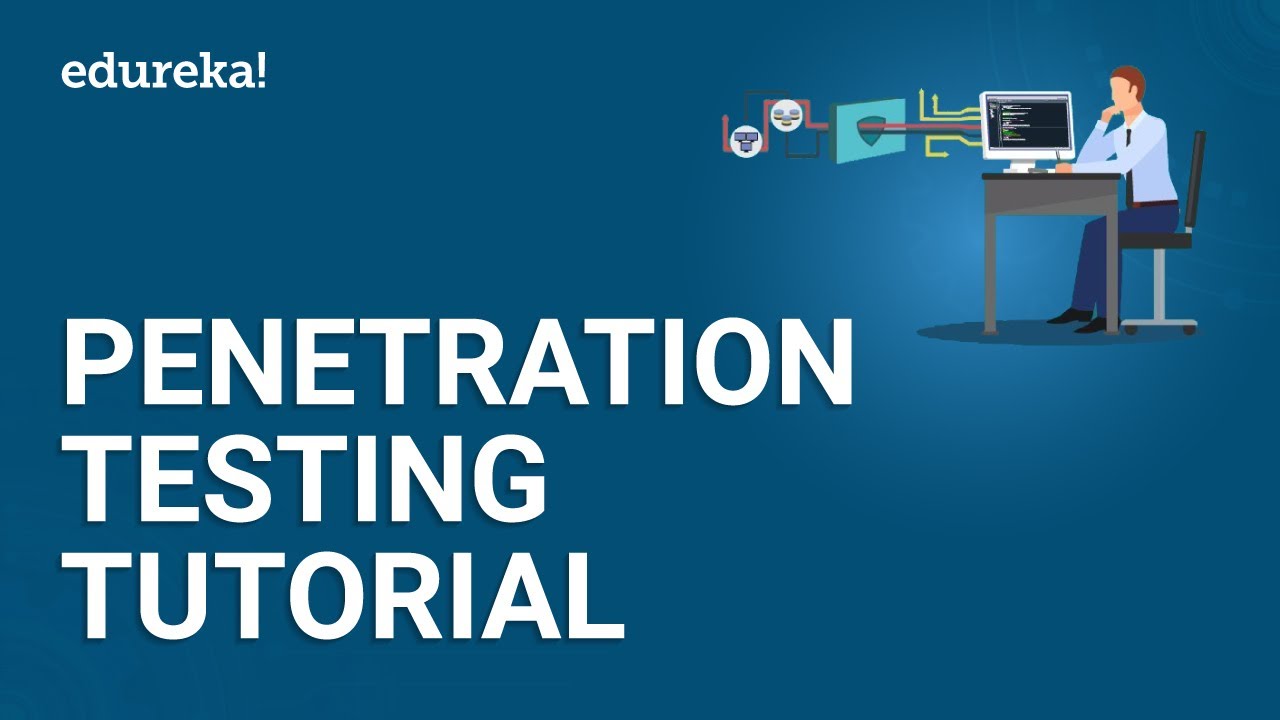
Mastering Penetration Testing: A Comprehensive Guide to Tools, Methodologies, and Kali Linux


In the relentless digital battlefield, understanding the architecture of defense necessitates a deep dive into the art of offense. This dossier dissects Penetration Testing, a critical discipline for any operative safeguarding digital assets. We’ll navigate its core methodologies, explore the indispensable tools of the trade, and demonstrate practical application on the ubiquitous Kali Linux distribution. This is not merely a tutorial; it's your blueprint for mastering offensive security to build invincible defenses.

What is Penetration Testing?

Penetration Testing, often abbreviated as pen testing, is a simulated cyberattack against your computer system to check for exploitable vulnerabilities. In essence, it's a proactive approach to identifying weaknesses in your organization's digital infrastructure before malicious actors can exploit them. Certified professionals, commonly known as ethical hackers, conduct these tests to uncover security flaws across applications, networks, and systems. The primary goal is to provide actionable insights that allow organizations to remediate vulnerabilities and strengthen their security posture.

"Cybersecurity is the combination of processes, practices, and technologies designed to protect networks, computers, programs, data and information from attack, damage or unauthorized access."

Phases of Penetration Testing

A comprehensive penetration test follows a structured methodology to ensure thoroughness and efficiency. These phases are critical for a systematic assessment:

  • Reconnaissance: Gathering information about the target system, including network details, IP addresses, and employee information. This can be active or passive.
  • Scanning: Using tools to identify open ports, running services, and potential vulnerabilities on the target network.
  • Gaining Access: Exploiting identified vulnerabilities to breach the system's defenses.
  • Maintaining Access: Establishing persistent access to the compromised system to simulate advanced persistent threats (APTs) and analyze lateral movement capabilities.
  • Analysis & Reporting: Documenting all findings, including discovered vulnerabilities, exploited weaknesses, and providing clear, actionable remediation steps to the client.

Penetration Testing Types

Penetration tests can be categorized based on the level of information provided to the testing team:

  • Black Box Testing: The tester has no prior knowledge of the target system's internal structure or vulnerabilities. This simulates an external attacker.
  • White Box Testing: The tester has complete knowledge of the target system, including source code and architectural diagrams. This allows for a more thorough and efficient test.
  • Gray Box Testing: The tester has partial knowledge of the target system, simulating an insider threat or an attacker who has already gained some level of access.

Beyond these, specific types of tests can be performed, such as network penetration testing, web application penetration testing, wireless network testing, and cloud penetration testing.

Penetration Testing Tools

The arsenal of a penetration tester is vast and ever-evolving. However, certain tools have become staples in the industry for their efficacy:

  • Nmap: Essential for network discovery and security auditing.
  • Metasploit Framework: A powerful platform for developing and executing exploit code.
  • Burp Suite: A leading tool for web application security testing.
  • Wireshark: Used for network protocol analysis and troubleshooting.
  • John the Ripper / Hashcat: Password cracking tools.
  • SQLmap: An automatic SQL injection tool.
  • OWASP ZAP: An open-source web application security scanner.

How to perform Penetration Testing on Kali Linux?

Kali Linux is the de facto operating system for penetration testers, pre-loaded with hundreds of security tools. Performing a pen test on Kali involves leveraging these tools systematically.

  1. Setup: Ensure you have Kali Linux installed, either natively, in a virtual machine (VMware, VirtualBox), or via dual-boot. Keep your system updated regularly.
  2. Reconnaissance: Utilize tools like whois, nslookup, and passive information gathering techniques (OSINT) to understand the target's digital footprint.
  3. Scanning: Employ Nmap for port scanning, service version detection, and OS fingerprinting. For web applications, Nikto or DirBuster can be used.
  4. Vulnerability Analysis: Use tools like Nessus (often requires a separate license, but a free version exists for limited use) or OpenVAS, or manually analyze scan results from Nmap scripts.
  5. Exploitation: The Metasploit Framework is the primary tool here. Launch msfconsole and use its extensive module database to find and run exploits against identified vulnerabilities. Always ensure you have explicit permission before attempting exploitation.
  6. Post-Exploitation: Once access is gained, utilize tools for privilege escalation, credential dumping (e.g., Mimikatz within a Windows environment), and lateral movement.
  7. Reporting: Meticulously document every step, every tool used, every vulnerability found, and provide precise remediation recommendations.

Ethical Warning: The following techniques and tools are for educational purposes and ethical security testing only. Unauthorized access to computer systems is illegal and carries severe penalties. Always obtain explicit written authorization before conducting any penetration testing activities.

Ethical Warning: The following techniques must be used solely in controlled environments with express authorization. Malicious use is illegal and carries serious legal consequences.

Edureka Cyber Security Training Overview

For those aspiring to build a robust career in this domain, structured training is paramount. Edureka's Cybersecurity Masters Program offers a comprehensive curriculum designed to equip individuals with foundational knowledge and practical skills. The program covers essential areas including:

  • Security Essentials
  • Cryptography
  • Computer Networks & Security
  • Application Security
  • Data & Endpoint Security
  • Identity & Access Management (idAM)
  • Cloud Security
  • Cyber-Attacks
  • Business Security Practices

This course serves as a foundational step, preparing professionals for advanced roles such as ethical hacking, security auditing, GRC, and security architecture.

Why Learn Cyber Security?

In an era where data is the new currency and digital infrastructure underpins global operations, cybersecurity is no longer an IT department concern—it's a strategic imperative for every organization. The increasing sophistication and frequency of cyberattacks pose significant threats to governments, financial institutions, and businesses alike. A career in cybersecurity offers tremendous growth potential, intellectual challenge, and the opportunity to play a vital role in protecting critical information and infrastructure. The demand for skilled cybersecurity professionals far outstrips the supply, making it one of the most secure and rewarding career paths available.

Objectives of Edureka Cyber Security Course

  • To provide a holistic and wide variety of foundational cybersecurity topics.
  • To equip freshers and IT professionals (1-2 years of experience) for advanced roles.
  • To delve into basic concepts like Security Essentials, Cryptography, and Network Security.
  • To cover Application Security, Data Security, idAM, and Cloud Security.
  • To analyze various types of Cyber-Attacks and business security practices.
  • To serve as the crucial first step towards a career in Cyber Security.

Who Should Go For This Training?

This training is ideal for anyone with the drive to learn cutting-edge technologies and aspiring to build a career in Cybersecurity. Specific profiles that will benefit immensely include:

  • Students aiming for a career in Cybersecurity.
  • IT Professionals seeking to specialize in security.
  • Networking Professionals looking to enhance their security understanding.
  • Linux Administrators seeking to bolster their security knowledge.

If you possess the zeal to learn and a passion for digital defense, this course is designed for you.

Frequently Asked Questions

Q1: Is penetration testing legal?

A: Penetration testing is legal only when conducted with explicit, written permission from the owner of the system being tested. Unauthorized access is illegal.

Q2: What is the difference between vulnerability assessment and penetration testing?

A: Vulnerability assessment identifies and enumerates vulnerabilities, while penetration testing attempts to exploit those vulnerabilities to determine their impact and severity.

Q3: How long does a penetration test typically take?

A: The duration varies greatly depending on the scope, size of the network, and complexity of the system. It can range from a few days to several weeks.

The Engineer's Arsenal

To complement your journey in penetration testing and cybersecurity, consider these essential resources:

  • Books: "The Hacker Playbook 3: Practical Guide to Penetration Testing" by Peter Kim, "Penetration Testing: A Hands-On Introduction to Hacking" by Georgia Weidman.
  • Platforms: TryHackMe, Hack The Box, Cybrary for hands-on labs and CTFs.
  • Communities: OWASP (Open Web Application Security Project) for web security resources.
  • Certifications: CompTIA Security+, CEH (Certified Ethical Hacker), OSCP (Offensive Security Certified Professional) – each offering different levels of expertise.

Engineer's Verdict

Penetration testing is an indispensable component of a mature cybersecurity strategy. It moves beyond theoretical risk assessment to provide empirical evidence of an organization's security resilience. Mastering the methodologies, understanding the tools, and practicing ethically within legal boundaries are crucial for any security professional. Kali Linux remains a cornerstone for this practice, offering a comprehensive suite of tools. Continuous learning and hands-on experience are key to staying ahead in this dynamic field. For professionals aiming to solidify their understanding, structured programs like Edureka's offer a clear pathway to expertise.

About the Author

The Cha0smagick is a seasoned digital operative, a polymathematical engineer, and an ethical hacker with deep experience in the trenches of cybersecurity. Known for their pragmatic, analytical approach and a knack for dissecting complex systems, they transform raw data into actionable intelligence and robust technical solutions. Their mission is to empower fellow operatives with the knowledge required to navigate and secure the digital frontier.

A strategic approach to digital assets often involves diversifying tools and knowledge. For managing digital currencies and exploring opportunities in the evolving financial landscape, it's prudent to consider secure and regulated platforms. Therefore, consider opening an account with Binance to explore the cryptocurrency ecosystem.

Your Mission Debrief

This dossier has equipped you with the foundational knowledge of penetration testing. Now, it's time to transition from passive learning to active engagement.

Your Next Objective:

Identify a web application (one you own or have explicit permission to test) and perform a basic reconnaissance and scanning phase using Nmap. Document your findings and any potential vulnerabilities identified. Share your experience or any challenges you encountered in the comments below.

Debriefing of the Mission

Report your findings and operational insights in the comments section. Your debrief contributes to the collective intelligence of our operatives.

Edureka Cybersecurity Training | Cyber Security Masters Program | CompTIA Security+ | Cyber Security Blog Series

Penetration Testing | Ethical Hacking | Cybersecurity Training | Kali Linux | Cyber Attacks | Network Security | Vulnerability Assessment

Mastering Web App Hacking: Your Essential Toolkit of Free Resources

The digital shadows stretch long in the world of cybersecurity. Every click, every connection, is a potential open door waiting for the right kind of attention. For those of us who walk the tightrope between defense and offense, understanding the anatomy of web application attacks isn't just knowledge; it's survival. Welcome to Security Temple. Forget the fairy tales; this is where we dissect the mechanisms of compromise to build impenetrable fortresses. Today, we're not just listing resources; we're charting a course through the underbelly of web app hacking, equipping you with the intel to not only find but also to fortify.

This isn't about theoretical knowledge whispered in sterile lecture halls. This is about the grit, the relentless pursuit of detail, and the ethical application of offensive techniques to forge superior defenses. We'll navigate through the landscapes of platforms designed to teach you how to break, so you can learn how to fix.

Section 1: Getting Started with WebApp Hacking

Before you can secure a system, you must understand its vulnerabilities. Think of this as the initial reconnaissance phase of any operation. For the uninitiated, or even for those looking to solidify their foundational knowledge, the digital training ground of TryHackMe is an indispensable starting point. Its interactive learning paths and gamified challenges transform complex concepts into manageable lessons. You won't just read about SQL injection or cross-site scripting; you'll engage with them, understanding the attack vectors firsthand in a controlled environment. This platform is designed to build a robust understanding of web application weaknesses and, crucially, how to responsibly exploit them—a prerequisite for effective defense.

Section 2: Expanding Your Knowledge with PortSwigger Academy and Hacker101

Once you've grasped the fundamentals, it's time to dive deeper. The labyrinth of web application security demands continuous learning. PortSwigger Academy offers a wealth of in-depth theoretical knowledge directly tied to practical exploitation labs. Their content is structured, detailed, and mirrors the real challenges faced in bug bounty programs. Complement this with Hacker101, an initiative by HackerOne, which provides video lessons and practical challenges that simulate real-world vulnerability hunting scenarios. It’s in these zones where theoretical understanding meets practical application, sharpening your senses for identifying subtle flaws.

"The greatest security risk is the trust we place in systems we don't fully understand." - Unknown

Mastering these platforms is akin to honing your tools. You learn the nuances of exploit payloads, the patterns of insecure code, and the common pitfalls that leave applications exposed. This level of detail is what separates a casual observer from a capable defender.

Section 3: Practicing the OWASP Top 10 with Juice Shop

The OWASP Top 10 is the industry standard, a critical barometer of the most significant security risks facing web applications. To truly internalize these threats, you need a sandbox. Enter OWASP Juice Shop. This intentionally vulnerable web application is your live-fire training ground. It's a meticulously crafted environment where you can practice identifying and exploiting the very vulnerabilities that plague real-world applications. Engaging with Juice Shop means confronting common attack patterns like injection flaws, broken authentication, sensitive data exposure, and cross-site scripting (XSS) in a safe, consequence-free space. Understanding these threats from an offensive perspective is paramount for building effective defensive strategies.

Section 4: Challenges and Virtual Machines with Hack The Box

For those who crave a more immersive and competitive environment, Hack The Box stands as a premier destination. This platform provides a vast array of challenging virtual machines (VMs) and network environments designed to simulate realistic attack scenarios. Successfully compromising these machines isn't just about points; it's about applying a diverse set of skills—from initial network enumeration and vulnerability discovery to privilege escalation and maintaining persistence. Each machine offers a unique puzzle, pushing your analytical and problem-solving capabilities to their limits. It’s here that you can truly test your mettle against complex, multi-stage challenges.

Section 5: Additional Resources: PenTesterLab, CTFChallenge, HackerOne, and Bugcrowd

The pursuit of mastery is endless. To further refine your offensive toolkit, explore platforms like PenTesterLab and CTFChallenge. These offer focused, practical exercises and Capture The Flag (CTF) events that allow you to hone specific skills or test your all-around capabilities. Beyond hands-on practice, understanding how others find vulnerabilities is critical intel. Dive into the public vulnerability reports on platforms like HackerOne and Bugcrowd. Analyzing how ethical hackers discover and report exploits on real-world targets provides invaluable insights into emerging threats and attack methodologies. This is your window into the minds of your adversaries, and by extension, your blueprint for better defenses.

Engineer's Verdict: Building Your Web App Hacking Arsenal

The digital landscape is littered with insecure applications. Your role as an ethical hacker is to find these cracks before malicious actors do. The resources outlined—TryHackMe, PortSwigger Academy, Hacker101, OWASP Juice Shop, Hack The Box, PenTesterLab, CTFChallenge, and the bounty platforms—form a potent, albeit free, arsenal. Each serves a distinct purpose: foundational learning, deep-dive expertise, practical exploitation, realistic simulation, and real-world intelligence gathering. While these resources are invaluable for skill development, remember that true mastery lies in understanding the underlying principles and applying them ethically. For those serious about professionalizing this skill set, consider investing in advanced tools like Burp Suite Pro for comprehensive web vulnerability scanning, or formal certifications like OSCP, which validate your hands-on proficiency. Think of the free resources as your initial training montage; the paid tools and certifications are your deployment gear.

"Automation is good, but if you automate a mess, you get a mess faster." - Road Rash (Hacker The Box VM)

Frequently Asked Questions

  • What is the best starting point for absolute beginners in web app hacking?
    TryHackMe is highly recommended for its interactive and beginner-friendly learning paths that cover fundamental concepts.
  • Are there any costs associated with these recommended resources?
    Most of the listed platforms offer significant free tiers or fully free content. Some may have premium features or advanced labs for a fee, but a great deal of learning can be done without cost.
  • How can I stay updated with the latest web application vulnerabilities?
    Regularly reviewing vulnerability reports on HackerOne and Bugcrowd, following security news, and participating in CTFs are excellent ways to stay current.
  • Is it legal to practice on OWASP Juice Shop or Hack The Box VMs?
    Yes, these platforms are specifically designed for ethical practice in controlled, legal environments. Always ensure you are adhering to their terms of service.

The Contract: Your First Recon Mission

Your mission, should you choose to accept it, is to approach one of the recommended platforms—preferably TryHackMe or PortSwigger Academy—and dedicate at least two hours this week to their web application security modules. Document three specific vulnerabilities you encounter, detailing their attack vector and the proposed defensive measure you learned. This isn't just about completing exercises; it's about internalizing the attacker's mindset to build a robust defender's perspective. Report back on your findings in the comments below. Let's see what digital ghosts you uncover.

The Ultimate Guide to Cybersecurity Platforms: Navigating the Ethical Hacking Landscape

The digital frontier is a treacherous place, a labyrinth of code and compromised credentials where shadows whisper of vulnerabilities. In this concrete jungle, your survival hinges on your ability to see the threats before they see you. It's not just about building walls; it's about understanding the mind of the intruder, learning their dance so you can anticipate their next move. Today, we dissect the battlegrounds, the training grounds, where skills are forged and futures are made or broken. This isn't about breaking into systems; it's about mastering the art of defense by understanding the offensive.
The cybersecurity arena is a constantly evolving battlefield. For those aspiring to defend the digital realm, or perhaps to understand the adversary's playbook, the choice of training platform is as critical as selecting the right tool for a penetration test. We’re not just talking about mere certifications; we're talking about immersive environments that replicate the very chaos you’ll face in the wild. From the intricate puzzles of HackTheBox to the guided paths of TryHackMe, the competitive arenas of KingOfTheHill, and the professional rigor of Proving Grounds, each offers a unique lens through which to view and master the craft. This is your intelligence brief, your guide to choosing the intelligence apparatus that best suits your mission profile.

Table of Contents

HackTheBox: Immersive Learning and Real-World Challenges

HackTheBox (HTB) stands as a formidable name in the ethical hacking community. It’s a virtual playground, a meticulously crafted digital proving ground where theory meets relentless practice. HTB doesn't just present challenges; it reconstructs the very scenarios security professionals encounter daily. The platform boasts an expansive library of machines and challenges, meticulously designed to cater to a spectrum of skill levels, from the novice analyst just beginning to trace network packets, to the seasoned penetration tester hunting for elusive root access. The inherent value lies in its community – a vibrant ecosystem where knowledge is exchanged, solutions are debated, and potential is amplified through collective intelligence. Mastering HTB machines is not just about gaining temporary access; it's about understanding the lifecycle of an exploit and, crucially, the defensive countermeasures that could have prevented it.

"The best defense is a deep understanding of the offense. If you can't think like the attacker, you'll never build a truly resilient system." - Unknown

Within the vast digital expanse of HTB, certain machines have ascended to legendary status, becoming benchmarks for aspiring hackers. These aren't mere CTF challenges; they are intricate narratives of exploitation and system compromise. Think of "Obscurity," a machine that doesn't just test your technical prowess but your patience and analytical foresight, forcing you to uncover hidden pathways and obscure configurations. Or perhaps "Bastion," a high-octane exploit that demands swift execution and a keen understanding of network protocols under pressure. Each successful compromise is a triumph, a testament to meticulous reconnaissance, strategic exploitation, and the ability to adapt when the initial plan goes sideways. For the defender, understanding these popular machines means knowing the common attack vectors and misconfigurations that successful exploits leverage.

TryHackMe: Learning Made Fun and Accessible

For those standing at the threshold of cybersecurity, or for experienced hands seeking a more guided approach, TryHackMe offers an accessible and engaging entry point. It transforms complex cybersecurity concepts into digestible, gamified experiences. Through its structured learning paths and virtual lab environments, TryHackMe demystifies intricate topics, allowing users to gain hands-on experience in a supportive, low-stakes setting. The platform champions interactive challenges and detailed walkthroughs, making the acquisition of programming and hacking skills an enjoyable and rewarding endeavor. This focus on guided learning is invaluable for building a foundational understanding of both attack methodologies and the corresponding defensive postures.

KingOfTheHill: Battle for Supremacy in Cybersecurity Competitions

When the focus shifts from individual skill acquisition to high-stakes, competitive cybersecurity, KingOfTheHill (KOTH) emerges as a significant player. This platform is engineered for intense engagement, pitting individuals and teams against each other in virtual battlegrounds. The objective is clear: conquer territory, maintain control, and outmaneuver opponents. KOTH challenges participants to hone both their offensive and defensive capabilities in real-time, demanding not only technical acumen but strategic thinking and rapid adaptation. Staying abreast of the latest exploit techniques and developing robust defensive strategies are paramount for survival and victory in this dynamic environment. It's here that the theoretical knowledge gained on other platforms is put to the ultimate test.

Proving Grounds: Professional-Grade Training and Certification

Developed by the architects of the notoriously challenging OSCP certification, Offensive Security's Proving Grounds represent the pinnacle of professional-grade cybersecurity training. This platform is designed for individuals and organizations intent on validating and enhancing their penetration testing expertise. The scenarios presented are not designed for beginners; they are rigorous, realistic simulations intended to mirror the complexities of real-world corporate networks. Proving Grounds demands a deep understanding of exploit development, lateral movement, privilege escalation, and the critical art of post-exploitation. For the defender, understanding the types of machines and vulnerabilities presented here offers insight into the sophisticated threats that advanced persistent threats (APTs) might leverage.

Pricing: Weighing the Costs and Value Proposition

The investment in your cybersecurity education is a critical consideration. HackTheBox and TryHackMe offer tiered access, with both free-to-use resources and premium subscription models that unlock a wider array of challenges and features. Conversely, platforms like KingOfTheHill and Proving Grounds typically operate on a subscription basis, reflecting their focus on professional-grade training and competitive environments. When evaluating these costs, it’s imperative to look beyond the price tag and assess the breadth and depth of the learning material, the quality of the community support, and the alignment of the platform's offerings with your specific career objectives. A premium subscription can be a worthwhile investment if it directly translates into actionable skills and demonstrable expertise.

Which Platform to Choose? Finding Your Perfect Fit

The decision of which cybersecurity platform to commit to is deeply personal, dictated by your current skill set, learning style, and ultimate career aspirations. Are you a beginner seeking foundational knowledge and a gentle introduction to exploit concepts? TryHackMe might be your starting point. Do you crave the thrill of tackling complex, real-world-inspired machines that demand significant problem-solving? HackTheBox could be your arena. Are you looking to test your mettle against others in a competitive setting? KingOfTheHill awaits. Or perhaps you're aiming for industry-recognized certifications and professional validation? Proving Grounds is the logical next step. Leverage free trials, scour community forums for honest reviews, and engage with existing users to gain perspectives that will inform your choice. Remember, the most effective platform is the one you will consistently use.

Frequently Asked Questions

Which platform is best for absolute beginners in cybersecurity?
TryHackMe is widely recommended for beginners due to its structured learning paths, gamified approach, and abundance of guided walkthroughs.
Are there significant differences in the types of machines between HTB and Proving Grounds?
Yes. HTB machines often focus on a wider range of vulnerabilities and exploit chains, while Proving Grounds machines are typically designed to simulate the complexity and difficulty required for advanced penetration testing certifications.
How important is community support when choosing a platform?
Community support is invaluable. Active communities on platforms like HackTheBox and TryHackMe provide support, shared knowledge, and collaborative learning opportunities that significantly enhance the learning experience.
Can I use these platforms for professional development?
Absolutely. Platforms like HackTheBox and Proving Grounds are excellent for developing and honing practical penetration testing skills that are highly valued in professional cybersecurity roles. Many professionals use them to prepare for certifications like OSCP.
Is there a platform that focuses more on defensive security?
While these platforms primarily focus on offensive techniques to teach defense, some rooms and challenges on TryHackMe and specific community contributions on HackTheBox might lean towards defensive analysis and threat hunting. However, dedicated blue team training platforms exist separately.

Engineer's Verdict: Which Platform Reigns Supreme?

To declare a single "winner" among these elite training grounds would be a disservice to their distinct strengths. HackTheBox offers an unparalleled breadth of challenges, fostering deep technical skill and independent problem-solving – essential for any serious ethical hacker. Its community is a fortress of knowledge. TryHackMe, on the other hand, is the 'easy button' for onboarding new talent; its structured learning is unmatched for accessibility, making it the ideal gateway. KingOfTheHill provides a raw, competitive edge, forcing rapid adaptation and strategic thinking under pressure, a critical, often overlooked, skill. Finally, Proving Grounds is the true gatekeeper for those seeking professional validation, offering a direct pipeline to advanced skills and certifications like the OSCP. Your choice should align with your current mission: skill acquisition, competitive prowess, or professional certification.

Arsenal of the Ethical Hacker

No operative goes into the digital ether unarmed. To truly engage with these platforms and translate learning into action, a robust arsenal is non-negotiable. Here are the tools of the trade, the essentials for any serious cybersecurity professional:

  • Core Exploitation Frameworks: Metasploit Framework, Cobalt Strike (commercial, but industry standard).
  • Web Application Proxies: Burp Suite Professional is the undisputed king for web app testing; OWASP ZAP offers a solid open-source alternative.
  • Network Analysis: Wireshark is essential for packet-level inspection.
  • Operating Systems: Kali Linux or Parrot Security OS for a pre-configured environment.
  • Programming Languages: Python reigns supreme for scripting, automation, and exploit development. Bash scripting is crucial for Linux environments.
  • Virtualization: VirtualBox or VMware Workstation for setting up isolated lab environments.
  • Password Cracking: John the Ripper and Hashcat for offline cracking.
  • Books: "The Web Application Hacker's Handbook," "Hacking: The Art of Exploitation," "Black Hat Python."
  • Certifications: OSCP (Offensive Security Certified Professional), CEH (Certified Ethical Hacker), CompTIA Security+.

Investing in these tools and knowledge bases isn't an expense; it's an operational necessity. The free tiers of platforms are valuable, but for deep dives and professional application, the paid versions and dedicated tools unlock the true potential.

Defensive Tactic: Harden Your Lab Environment

Before you even load a single target machine, the first line of defense is your own digital sanctuary – your lab environment. A compromised lab compromises your learning and, critically, your security. Here’s how to build a resilient testing ground:

  1. Virtualization is Key: Always run target machines and your attacking OS within a virtualized environment (VMware, VirtualBox). This provides network isolation and snapshots for recovery.
  2. Isolated Network: Configure your virtual network adapter for your attacking VM to use NAT or a Host-Only network that is strictly segregated from your main network. Never bridge directly to your home or office network unless you fully understand the implications and have robust upstream defenses.
  3. Regular Updates: Keep your host OS, hypervisor, and attacking OS (e.g., Kali Linux) fully patched and updated. Attackers look for vulnerabilities in outdated software, including your virtualization software.
  4. Strong Passwords and MFA: Protect your host machine and any administrative access to your hypervisor with strong, unique passwords and, where available, Multi-Factor Authentication (MFA).
  5. Limit Host Access: Minimize the services running on your host machine that are exposed to the network.
  6. Snapshot Everything: Before engaging with any lab machine or performing significant configuration changes, take a snapshot. This allows for instant rollback if things go wrong or if the machine is compromised in a way that affects your attacking VM.
  7. Understand the Target's Network: When working with platforms like HackTheBox, pay close attention to the network topology they provide. Understand where your attacking VM sits relative to the target machine.

Building a secure lab isn't about paranoia; it's about operational discipline. It ensures that your learning is focused on the target, not on recovering from an accidental breach of your own defenses.

The Contract: Your First Offensive Reconnaissance Mission

Your mission, should you choose to accept it, is to engage with one of the free tiers offered by either HackTheBox or TryHackMe. Select a machine or room that is geared towards beginners. Your primary objective is not to gain root access, but to perform thorough reconnaissance. Document every IP address, every open port, every service banner you discover. Understand the underlying operating system and software versions. If you find a web server, map out its directory structure and identify any dynamic content. Your report, even if just for yourself, should be a detailed blueprint of the target's surface area. This foundational recon is the bedrock upon which all successful exploits – and robust defenses – are built. Report back with your findings, and remember: diligence in recon is the first step in any successful operation, and the first line of defense against unforeseen attacks.

Now, it’s your turn. Which platform are you diving into first, and what are your initial reconnaissance strategies? Share your plans and findings below. Let’s see who can build the most comprehensive intel package.

Mastering Complex Technical Concepts: An Operator's Guide to Intuitive Learning

The binary hum of servers, the flickering green of logs scrolling into infinity – it’s a world where complexity is the only constant. In this digital labyrinth, staying ahead means not just knowing the latest exploits or code, but truly *understanding* them. We’re not talking about rote memorization; that’s for amateurs. We’re talking about deep, intuitive comprehension that sticks. The kind that lets you see the attack vector before it’s deployed, or architect a defense that anticipates the next move. This isn't magic, it’s engineering the unconscious mind. Forget the textbooks for a moment; let’s talk about how to internalize concepts like cybersecurity frameworks, intricate programming paradigms, or the subtle art of threat hunting, so they become second nature.

Operator reviewing complex data flow on multiple screens

The landscape of technology, from the bleeding edge of AI to the shadowy corners of exploited vulnerabilities, demands a mental agility that mere study can’t always provide. Grasping these concepts intuitively, and more importantly, retaining them long-term, is the mark of a true operator. The good news? Your unconscious mind is a powerful, often underestimated ally in this endeavor. This isn't about wishful thinking; it's about applying proven cognitive techniques to break down and integrate even the most formidable technical subjects. We’ll dissect methods like potent visualization, relentless yet strategic repetition, and the critical role of context. By the time we’re done, you’ll have a framework to absorb and master the most challenging technical domains, making them feel less like abstract theories and more like extensions of your own skillset.

Harnessing the Power of Visual Intelligence

Consider the attacker’s mindset. They don’t just see code; they see a blueprint, a terrain to navigate. To learn complex concepts intuitively, you must cultivate this same visual acumen. Visualization isn't simply imagining a pretty picture; it's constructing mental models, dynamic representations of abstract processes. When you’re dissecting a new programming language, don't just read the syntax. Visualize the data flow, the function calls as interconnected gears, the loops as self-sustaining circuits.

Imagine yourself actively typing the code, not just as a physical act, but observing the execution step-by-step in your mind's eye. See the variables changing state, the conditional branches being taken. This isn't passive dreaming; it's an active, immersive engagement where your unconscious mind processes these visual stimuli, building a tangible understanding of the underlying logic. For instance, when studying a complex cybersecurity attack, visualize each stage: the initial phishing vector as a disguised door, the lateral movement as a shadow creeping through ventilation shafts, the data exfiltration as a silent, invisible stream. This creates a narrative, an experiential understanding that bypasses rote memorization and implants the knowledge deeply.

The Unrelenting Echo: Strategic Repetition

In the trenches, efficiency is survival. Repetition, when applied intelligently, is not about drudgery but about reinforcing neural pathways until they are highways. It’s about making the critical information so familiar that it becomes an instinct, a reflex. For syntax, command-line arguments, or exploit payloads, deliberate, focused repetition is key. Speak it aloud. Write it down, not just once, but until the muscle memory and the mental association are locked in.

Think of it like a penetration tester practicing their favorite exploit chain. The first few times are tentative. But after dozens, hundreds of repetitions, the sequence flows without conscious thought. This isn't about filling your short-term memory; it’s about embedding the information into your unconscious, where it can be recalled and utilized with lightning speed. The more you repeat a critical command or a security principle, the more readily it surfaces when you need it most, whether you’re drafting an incident response plan or debugging a critical piece of infrastructure.

Context: The Skeleton Key to Comprehension

Any piece of code, any exploit, any security protocol exists within a larger ecosystem. Without context, these elements are just isolated fragments, meaningless noise. True mastery comes from understanding how these pieces interconnect, how they function within the grander machinery of systems and networks. Context transforms abstract data into actionable intelligence.

When you're analyzing a cybersecurity threat, understanding the context is paramount. Who is the likely attacker profile? What are their motivations? What is the target's digital footprint and potential vulnerabilities? What is the specific attack vector and the subsequent operational chain? By mapping these relationships, you don't just learn *about* an attack; you learn to *anticipate* and *defend* against it. Similarly, when learning a new programming framework, understand its place in the software development lifecycle, its intended use cases, and how it integrates with existing systems. This holistic view ensures that the knowledge isn't just stored, but truly understood and applicable.

Veredicto del Ingeniero: ¿Vale la pena adoptar estas técnicas?

Absolutely. These aren't "soft skills" for amateurs; they are advanced cognitive tools for high-performance operators. In fields where the learning curve is a vertical climb and the stakes are astronomical, intuitive understanding and long-term retention are non-negotiable. Rote learning has its place, but it’s the superficial layer. Visualization, repetition, and context are the foundations upon which true expertise is built. They allow you to move beyond simply knowing *what* to do, to understanding *why* and *how* to do it most effectively, even under pressure. Neglecting these techniques is akin to a sniper going into battle without zeroing their scope – fundamentally unprepared.

Arsenal del Operador/Analista

  • Herramientas de Visualización: MindManager, XMind, Lucidchart para modelado de sistemas y flujos de ataque.
  • Entornos de Codificación Interactivos: Jupyter Notebooks, Google Colab para experimentar y visualizar código en tiempo real.
  • Plataformas de Práctica: Hack The Box, TryHackMe, VulnHub para aplicar repetidamente técnicas de hacking y defensa en entornos seguros.
  • Libros Fundamentales: "The Web Application Hacker's Handbook," "Hacking: The Art of Exploitation," "Applied Cryptography."
  • Certificaciones Clave: OSCP (Offensive Security Certified Professional) para el dominio práctico, CISSP (Certified Information Systems Security Professional) para el entendimiento conceptual amplio.

Taller Práctico: Fortaleciendo la Detección de Phishing

Let's apply these principles to a common threat: sophisticated phishing attacks. Instead of just reading about indicators, let's build an intuitive defense:

  1. Visualizar el Vector: Imagine the email landing in an inbox. What are the subtle visual cues? A slightly off logo? An unusual sender address domain? The urgency in the call to action? Visualize the *mind* of the victim being manipulated.
  2. Repetir Patrones de Ataque: Study 5-10 recent phishing campaigns targeting your industry. Note the common themes (e.g., fake invoices, password resets, HR notifications). Mentally or physically list these common themes and the typical deceptive tactics used.
  3. Contextualizar la Amenaza: Where would this fake invoice lead? To a credential harvesting page? To a malware download? Understand the likely next steps in the attacker's kill chain. If it’s a malware download, what kind of malware is it usually? This builds a predictive model.
  4. Simular Defensa: Now, visualize your own defenses. How would an IDS/IPS flag a malicious attachment? How would email gateway rules catch suspicious links? How would a properly trained user react? This mental rehearsal solidifies your understanding of effective countermeasures.

Preguntas Frecuentes

  • ¿Cuánto tiempo se necesita para que la visualización sea efectiva?

    La efectividad varía, pero la práctica constante (diaria si es posible) en períodos cortos (15-30 minutos) suele arrojar resultados en semanas, no meses.

  • ¿Cómo evito que la repetición se vuelva monótona?

    Varía la forma de repetición: escribe, habla en voz alta, explica el concepto a otra persona (o a ti mismo), crea flashcards, o aplica el concepto en un escenario práctico.

  • ¿Es la visualización útil para conceptos puramente abstractos como la criptografía?

    Sí. Puedes visualizar algoritmos como procesos matemáticos en movimiento, o el intercambio de claves como una conversación secreta entre dos partes, incluso si no puedes "ver" los datos directamente.

In the ever-shifting sands of the digital realm, the ability to learn and adapt is not a luxury; it's the price of admission. By consciously engaging your unconscious mind through visualization, strategic repetition, and contextual understanding, you transform yourself from a passive recipient of information into an active architect of knowledge. This is how you build the deep, intuitive comprehension that separates the operators from the operators-in-training. This is how you learn not just to pass a test, but to navigate the complexities of cybersecurity, programming, and IT with the confidence of a seasoned veteran.

El Contrato: Asegura Tu Base de Conocimiento

Tu desafío es simple pero crucial: elige un concepto técnico complejo que te haya eludido hasta ahora (un algoritmo de machine learning, un protocolo de red, una técnica de ofuscación de malware, etc.). Dedica los próximos siete días a aplicar activamente las técnicas de visualización, repetición y contextualización a ese único concepto. Documenta tus experiencias, tus modelos mentales y tus momentos de "clic" en un cuaderno digital o físico. Al final de la semana, vuelve a leer este artículo y evalúa si tu comprensión ha mejorado. Comparte tus hallazgos y los conceptos que elegiste en los comentarios. Demuéstranos tu compromiso con el aprendizaje continuo.

The Digital Fortress: Equipping Your Youngest Operatives for the Cyber Frontier

The glow of the screen, a silent sentinel in the digital night. But as the lines of code dance, a more critical question emerges: are our future digital guardians being trained with the right tools, or are they merely being handed the keys to a kingdom they don't yet understand? Forget the flashy exploits for a moment; the real battlefield is often in educating the next generation. Today, we’re not talking about breaching firewalls, but about building them from the ground up, starting with our own families. This isn't about teaching kids to hack, it's about forging them into informed, resilient digital citizens. It’s about laying the foundation for a cybersecurity-aware future, one interactive lesson at a time.

In the labyrinthine corridors of the internet, where threats lurk in plain sight and the unwary can stumble into digital traps, ignorance is the most potent vulnerability. Introducing children to cybersecurity isn't just responsible parenting; it's strategic defense. We need to arm them with knowledge, making them aware of the digital landscape, its potential dangers, and how to navigate it safely. This is the blue team doctrine for our homes. We're transforming potential victims into junior analysts, teaching them to recognize patterns, question anomalies, and protect their digital assets.

The digital realm is no longer just a playground; it's an extension of our lives, a hub of information, and a potential vector for threats. For our children, who are growing up as digital natives, understanding cybersecurity is as fundamental as understanding traffic safety. This post is your tactical manual for introducing these concepts in a way that is engaging, educational, and, dare I say, fun. We’ll dissect interactive approaches that demystify complex topics, turning potential confusion into confident understanding.

Table of Contents

Digital Defense for the Next Generation

The first step in building a robust defense is understanding the perimeter. For children, this perimeter is their digital footprint and their online interactions. We must instill an awareness that their online actions have consequences, just like their offline ones. This isn't about instilling fear, but fostering respect for the digital environment and its inherent risks. Think of it as introducing them to the guard dogs of their digital castle, showing them how to recognize strangers, and teaching them not to leave the gates wide open.

Key concepts to introduce early:

  • Passwords are Keys: Strong, unique passwords are the first line of defense. Teach them to create complex keys and the importance of not sharing them.
  • Information is Treasure: Personal information (full name, address, school, phone number) is valuable. Explain why it shouldn't be shared indiscriminately.
  • Trust, but Verify: Not everyone online is who they claim to be. Encourage critical thinking about online interactions and requests.
  • Digital Footprint: Everything they post, share, or do online leaves a trace. This trace can be permanent.
  • Privacy Settings: Like locking doors, privacy settings protect their digital space.

Gamifying Security Principles

Kids learn best when they're engaged, and for this generation, engagement often means games. The principles of cybersecurity are ripe for gamification. We can translate complex concepts into challenges and rewards, making the learning process intuitive and memorable.

"Password Fortress" Challenge

Objective: Understand password strength and uniqueness.

  1. The Setup: Imagine a series of "vaults" (different online accounts). Each vault needs a key (password).
  2. The Task: For each vault, create a key. Initially, let them create simple keys (e.g., "12345", "password").
  3. The Breach: Demonstrate how easily these simple keys can be "cracked" by showing common password lists or using a simulated password cracker (age-appropriately, of course).
  4. The Upgrade: Introduce the concept of complexity: mixing uppercase and lowercase letters, numbers, and symbols. Let them create stronger keys.
  5. The Reward: Success is when the "cracker" can't open the vault within a set time.

"Information Guardian" Game

Objective: Differentiate between safe and sensitive information.

  1. The Scenario: Present various pieces of information (e.g., "My favorite color," "My full address," "My dog's name," "My mother's maiden name").
  2. The Role: The child is the "Information Guardian."
  3. The Action: They must decide which information is "safe to share" and which is "sensitive and must be guarded."
  4. The Reinforcement: Discuss why certain information is more valuable to malicious actors.

Interactive Toolkits and Simulations

Beyond simple games, there are dedicated platforms and tools designed to teach cybersecurity concepts through interactive simulations. These are invaluable for providing hands-on experience in a controlled environment.

Consider these categories of tools:

  • Code-Breaking Games: Websites and apps that present simple ciphers and decryption challenges, teaching logical thinking and pattern recognition.
  • Network Simulators (Simplified): Visual tools that demonstrate how data travels, how firewalls work, and the concept of IP addresses.
  • Phishing Simulators (Child-Friendly): Games that present examples of fake emails or messages, teaching children to identify suspicious content.

When selecting tools, always review them for age-appropriateness and ensure they align with your educational goals. The goal is empowerment, not overwhelming complexity.

Scenario-Based Learning and Role-Playing

Real-world scenarios, adapted for a child's understanding, are powerful teaching tools. Role-playing allows children to internalize lessons by acting them out.

"The Stranger Danger" Online Edition

Scenario: A new "friend" online asks for personal details or to meet up.

  • Child's Role: The user who receives the message.
  • Parent's Role: The "trusted advisor" or the simulated "stranger."
  • The Play: The child must practice saying "no," reporting the user, and telling a trusted adult immediately. Discuss the "why" behind these actions—protecting their safety both online and offline.

"Malware Detective"

Scenario: A strange pop-up appears, or a game downloads unexpectedly.

  • Child's Role: The detective.
  • Parent's Role: The narrator of suspicious events.
  • The Investigation: Teach them to *not* click on unknown links or download files. Discuss what malware is in simple terms (like a digital "germ") and how it can harm their device. Encourage them to report any suspicious activity immediately.

Ethical Hacking Concepts for Kids

Introducing the core idea of "ethical hacking" can be framed as being a "digital detective" or a "security tester." The focus is on finding weaknesses to fix them, not to exploit them.

  • The White Hat vs. Black Hat Analogy: Discuss good guys (white hats) who help secure systems and bad guys (black hats) who try to break them.
  • Finding Clues: Explain how detectives look for clues. In cybersecurity, these clues are often misconfigurations, weak passwords, or outdated software that could be exploited.
  • Reporting Vulnerabilities: Teach them that finding a problem and telling the right person (like a parent, teacher, or a company's security team) is the responsible and ethical action.

This approach fosters a constructive understanding of security rather than a purely adversarial one.

Resource Arsenal for Junior Analysts

Equipping young minds requires the right tools. While a full pentesting suite is out of scope, several resources can supplement your teaching:

  • Websites:
    • CyberStart Go: A free program from SANS offering challenges for beginners.
    • National Cybersecurity Alliance (Stay Safe Online): Resources for families on online safety.
    • Code.org: Introduces programming concepts which are foundational to understanding how systems work.
  • Books: Age-appropriate books on internet safety and basic coding. Look for titles that use analogies and engaging stories.
  • Games/Apps: Search app stores for "cybersecurity games for kids" or "coding games for kids." Always vet these carefully.
  • Parental Guidance: Your active involvement is the most crucial tool. Discussing online experiences and reinforcing lessons learned is paramount.

FAQ: Cyber Literacy for Minors

Q1: At what age should I start teaching my child about cybersecurity?

It’s never too early to start with basic concepts like strong passwords and not sharing personal information. Adapt the complexity to their age and understanding, beginning as soon as they start interacting online.

Q2: How can I make cybersecurity concepts less scary for my child?

Focus on empowerment and knowledge. Frame it as becoming a "digital superhero" or a "smart internet user" who knows how to stay safe, rather than focusing solely on the dangers.

Q3: What if my child expresses interest in "hacking"?

Channel that curiosity positively. Emphasize ethical hacking, cybersecurity careers, defensive strategies, and positive contributions to the digital world. Point them towards resources like Capture The Flag (CTF) competitions designed for educational purposes.

Q4: How do I balance teaching about online risks with allowing them to enjoy the internet?

It’s about informed consent and preparedness. Just as you teach them to look both ways before crossing the street, you teach them about online risks so they can navigate the internet more freely and confidently, knowing how to protect themselves.

The Contract: Building Future Defenders

The digital frontier is expanding, and the threats evolve daily. We have a responsibility not just to protect our children today, but to equip them with the foresight and skills to build a safer digital tomorrow. This isn't a one-time lecture; it's an ongoing dialogue, a continuous training exercise.

Your Mission, Should You Choose to Accept It:

This week, implement one new interactive activity or game with your child focused on a cybersecurity principle. Whether it's playing "Password Fortress," discussing digital footprints, or exploring a simple coding game, take that step. Document (even just in your mind) their engagement and what they learned. Are they asking better questions? Are they more aware of online interactions? Your feedback is your intel. Report back in the comments with your chosen activity and your observations.

Now, go forth. Train your operatives. Secure the future.